

10 migliori strumenti alternativi a Front per l’email del team nel 2026

Elenco delle migliori alternative a Front


Nel tentativo di migliorare l'esperienza del cliente, gli strumenti giusti per l'assistenza clienti sono preziosi. In qualità di esperto con una vasta esperienza nell'esplorazione di innumerevoli strumenti, ho compilato un elenco completo delle 25 migliori alternative a Front App per il tuo team di supporto. Questi strumenti SaaS, ideali per i team che interagiscono tramite app mobili Android o iOS o SMS, offrono una solida gestione degli SLA e notifiche tempestive. Riuniscono le comunicazioni con i clienti in un'unica casella di posta del team, aumentando efficienza e reattività.
Inoltre, molte di queste alternative offrono piani gratuiti, eliminando la necessità di fornire subito i dati della carta di credito. Ciò ti consente di valutare le loro funzionalità premium prima di assumere un impegno finanziario. Se stai cercando uno strumento per migliorare l'esperienza dei clienti e gestire richieste diverse su piattaforme come WhatsApp o SMS, queste alternative a Front App potrebbero essere proprio ciò che cerchi.
Che cos'è Front?
Front è uno strumento di sviluppo front-end che aiuta i team a progettare e creare interfacce utente in modo più efficiente. Viene comunemente utilizzato da sviluppatori front-end, designer e team di prodotto che devono collaborare alla progettazione dell'interfaccia utente mantenendo il codice gestibile e organizzato. I suoi modelli predefiniti, i componenti dell'interfaccia utente e le opzioni di progettazione responsiva contribuiscono ad accelerare lo sviluppo, garantire la coerenza e adattare i progetti a diverse dimensioni dello schermo. Nel complesso, Front aiuta il tuo team a risparmiare tempo e a concentrarsi sugli aspetti visivi e funzionali dei progetti web.
Perché fidarsi dei nostri consigli sui software
Il nostro team testa e recensisce software dal 2012. In quanto leader tecnologici noi stessi, sappiamo quanto sia difficile — e importante — scegliere il software giusto.
Per questa guida, abbiamo valutato gli strumenti attraverso test praticie ricerche indipendenti, assegnando un punteggio agli strumenti in base ai nostri criteri di selezione.
Le nostre recensioni riflettono il nostro giudizio editoriale umano, non un discorso di vendita.
Revisori esperti:
Tabella di confronto delle alternative a Front
Questa tabella di confronto riassume i dettagli sui prezzi delle mie migliori alternative a Front:
| Tool | Best For | Trial Info | Price | ||
|---|---|---|---|---|---|
| 1 | Ideale per startup che cercano uno strumento di assistenza clienti semplice e intuitivo | Prova gratuita di 30 giorni disponibile | Il prezzo di Groove parte da $15/utente/mese | Website | |
| 2 | Ideale per ottimizzare l’assistenza con un sistema di ticketing multicanale | Demo gratuita disponibile | I prezzi di HappyFox partono da $29/utente/mese (fatturazione annuale) | Website | |
| 3 | Ideale per aziende di e-commerce che richiedono supporto e vendite integrati | Prova gratuita di 7 giorni + demo gratuita disponibile | Il prezzo di Gorgias parte da $60/utente/mese (fatturati annualmente) con un minimo di 2 postazioni | Website | |
| 4 | Ideale per l’interazione in tempo reale con il cliente e le capacità di live chat | Prova gratuita di 14 giorni + demo gratuita disponibile | Il prezzo di Intercom parte da $59/mese (fatturato annualmente) | Website | |
| 5 | Ideale per combinare supporto clienti, successo del cliente e chat dal vivo | Demo gratuita disponibile | I prezzi di Kayako partono da $15/utente/mese | Website | |
| 6 | Ideale per l'efficienza del servizio clienti con assistenza AI di alto livello | Prova gratuita + demo gratuita disponibili | Da $49/utente/mese (fatturato annualmente) | Website | |
| 7 | Ideale per PMI che cercano soluzioni helpdesk solide ma convenienti | Prova gratuita di 14 giorni + demo gratuita disponibile | A partire da $15/utente/mese (fatturazione annuale) | Website | |
| 8 | Ideale per il supporto omnicanale, con oltre 200 integrazioni | Prova gratuita di 30 giorni | I prezzi di LiveAgent partono da $15/utente/mese (fatturazione annuale) | Website | |
| 9 | Ideale per gestire l'assistenza clienti direttamente da Gmail | Prova gratuita di 7 giorni + piano gratuito disponibile | I prezzi di Hiver partono da $11/utente/mese (fatturati annualmente) | Website | |
| 10 | Ideale per aziende che necessitano di funzionalità avanzate di base di conoscenza | Prova gratuita disponibile | I prezzi partono da $20/utente/mese (fatturazione annuale) | Website |
Recensioni delle migliori alternative a Front
Di seguito sono riportati i miei riepiloghi dettagliati delle migliori alternative a Front incluse nel mio elenco. Le mie recensioni offrono un’analisi approfondita delle funzionalità principali, dei pro e & contro, delle integrazioni e dei casi d’uso ideali di ogni strumento, per aiutarti a trovare quello più adatto a te.

Groove
Ideale per startup che cercano uno strumento di assistenza clienti semplice e intuitivo

Groove è uno strumento di assistenza clienti progettato con semplicità e intuitività al centro. Offre le funzioni essenziali di un helpdesk in un pacchetto facile da usare, rendendolo una scelta ideale per le startup che desiderano semplificare il servizio clienti senza sacrificare l'efficacia.
Pros and Cons
Pros:
- Interfaccia intuitiva
- Facile da configurare e curva di apprendimento minima
- Conveniente per le startup
Cons:
- Manca alcune funzionalità avanzate presenti in altre piattaforme
- Opzioni di personalizzazione limitate
- Potrebbe non adattarsi bene a organizzazioni più grandi

HappyFox
Ideale per ottimizzare l’assistenza con un sistema di ticketing multicanale

HappyFox è uno strumento di helpdesk completo con un focus sul ticketing multicanale, che semplifica la gestione delle interazioni di supporto clienti su diverse piattaforme. Il suo punto di forza è la capacità di ottimizzare l'assistenza, motivo per cui è la soluzione ideale per le aziende che necessitano di una piattaforma unificata per gestire le comunicazioni con i clienti attraverso vari canali.
Pros and Cons
Pros:
- Solido sistema di ticketing multicanale
- Numerose opzioni di integrazione
- Capacità di automazione per risparmiare tempo e ridurre il lavoro manuale
Cons:
- Prezzo più elevato rispetto ad alcuni concorrenti
- Può risultare complesso per i nuovi utenti
- Opzioni di personalizzazione limitate nei piani di fascia bassa

Gorgias
Ideale per aziende di e-commerce che richiedono supporto e vendite integrati
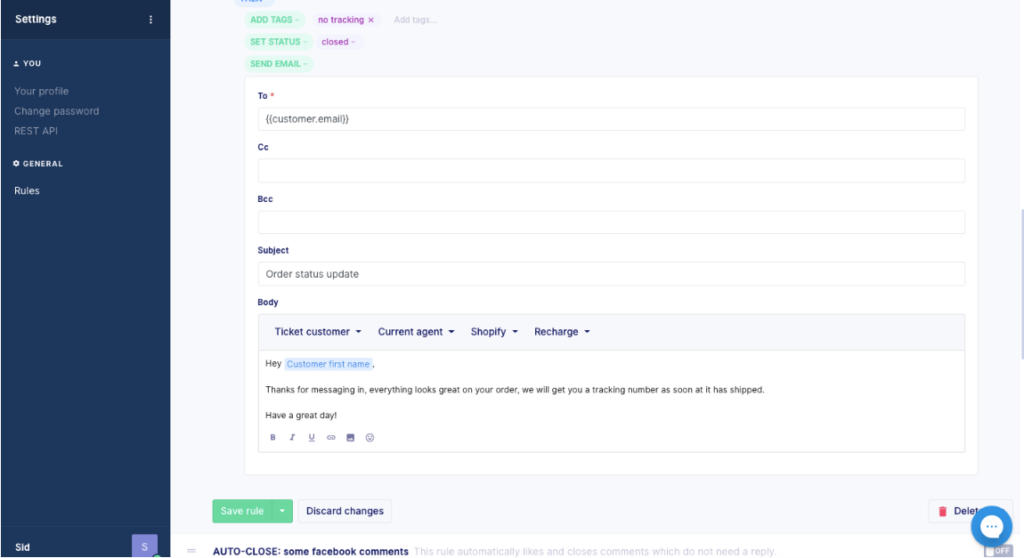
Gorgias è un helpdesk progettato specificamente per le aziende di e-commerce, che offre strumenti per il supporto clienti e le vendite integrati. Centralizza le interazioni e i dati dei clienti provenienti da varie fonti su un'unica piattaforma, rendendolo una scelta eccellente per le aziende di e-commerce che hanno bisogno di ottimizzare il supporto clienti e potenziare le operazioni di vendita.
Pros and Cons
Pros:
- Funzionalità specifiche per l'e-commerce
- Integrazioni complete con piattaforme di e-commerce
- Consolida i processi di vendita e supporto
Cons:
- Prezzo iniziale più alto rispetto ad alcuni concorrenti
- Richiede un minimo di 2 postazioni
- Costi aggiuntivi per ticket extra oltre il limite del piano

Intercom
Ideale per l’interazione in tempo reale con il cliente e le capacità di live chat
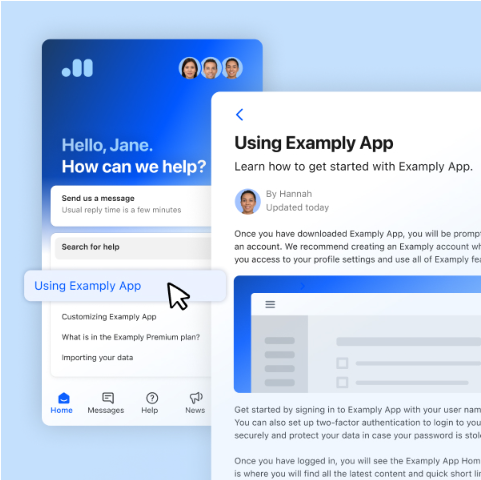
Intercom è una piattaforma di messaggistica per clienti che offre comunicazione in tempo reale e personalizzata con i tuoi clienti. Grazie alle sue potenti funzionalità di live chat, permette alle aziende di rispondere istantaneamente alle richieste dei clienti, rendendola la scelta ottimale per le imprese che puntano su un’interazione rapida ed efficace con il cliente.
Pros and Cons
Pros:
- Funzionalità di live chat in tempo reale
- Integrazioni solide con strumenti aziendali
- Chatbot personalizzabili per una migliore interazione con i clienti
Cons:
- Può essere costoso per le piccole imprese
- Configurazione complessa per utenti non tecnici
- Funzionalità limitate nel piano base

Kayako
Ideale per combinare supporto clienti, successo del cliente e chat dal vivo
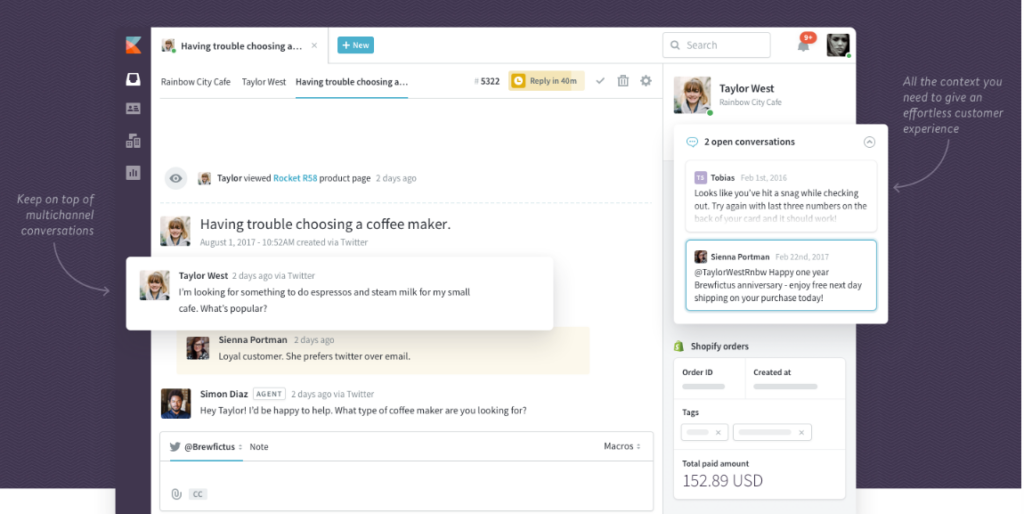
Kayako è un software di assistenza clienti che unisce supporto clienti, successo del cliente e chat dal vivo in un'unica piattaforma. La sua proposta unica di unificare diversi elementi del servizio clienti lo rende la scelta ottimale per le organizzazioni che desiderano semplificare il supporto, il successo e la comunicazione con i clienti.
Pros and Cons
Pros:
- Funzionalità complete di assistenza clienti
- Ampia gamma di integrazioni
- Struttura di prezzo conveniente
Cons:
- Interfaccia utente potrebbe essere più intuitiva
- Funzionalità avanzate disponibili solo nei piani di livello superiore
- Assenza di supporto telefonico nei piani di livello inferiore

Zendesk
Ideale per l'efficienza del servizio clienti con assistenza AI di alto livello

Zendesk è una soluzione di assistenza clienti molto popolare che incorpora un'intelligenza artificiale sofisticata per semplificare l'erogazione del servizio. Questo strumento si distingue nell'organizzare, dare priorità e rispondere ai ticket dei clienti provenienti da vari canali, il tutto su un'unica piattaforma centralizzata.
Pros and Cons
Pros:
- Risposte potenziate dall'AI alle richieste dei clienti
- Ampia gamma di integrazioni
- Supporto omnicanale per interazioni clienti unificate
Cons:
- Costo superiore rispetto ad altre alternative
- Curva di apprendimento più ripida per i nuovi utenti
- Meno adatto alle piccole imprese per costi e complessità

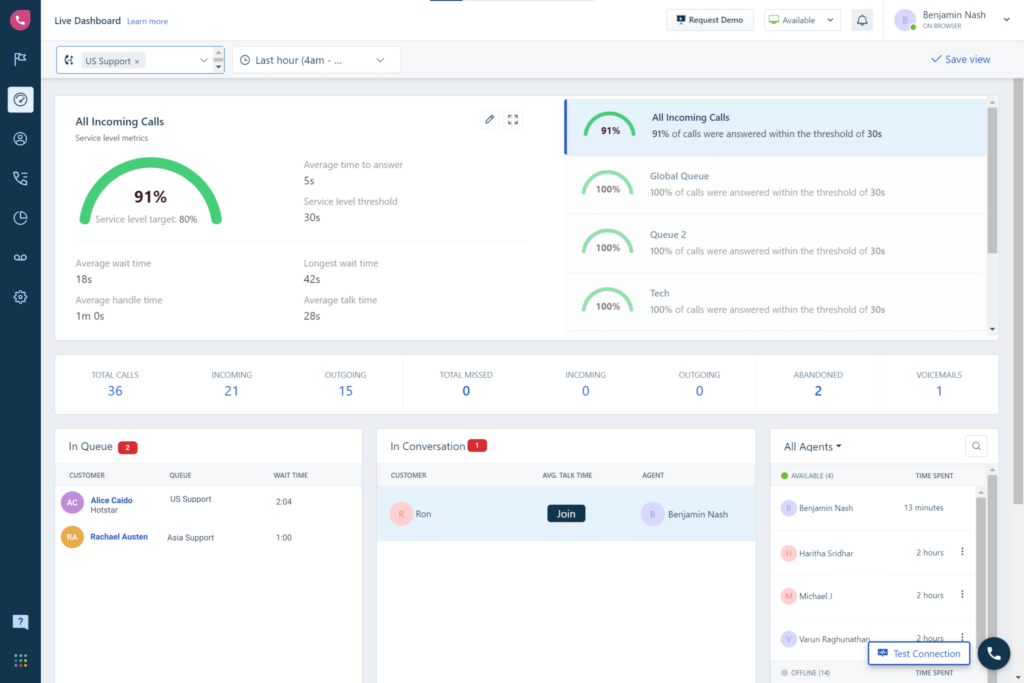
Freshdesk è uno strumento completo per il servizio clienti progettato per semplificare la gestione dei ticket e offrire un supporto multicanale efficiente. Grazie a un set di funzionalità robuste a un prezzo accessibile, rappresenta una soluzione ideale per le piccole e medie imprese (PMI) che desiderano massimizzare le operazioni di helpdesk senza incidere troppo sul budget.
Pros and Cons
Pros:
- Conveniente per piccole e medie imprese
- Potenti capacità di automazione
- Ampia gamma di integrazioni
Cons:
- Le funzionalità avanzate sono disponibili solo nei piani di livello superiore
- La personalizzazione può risultare un po' complessa
- Le funzionalità di reportistica potrebbero essere più avanzate

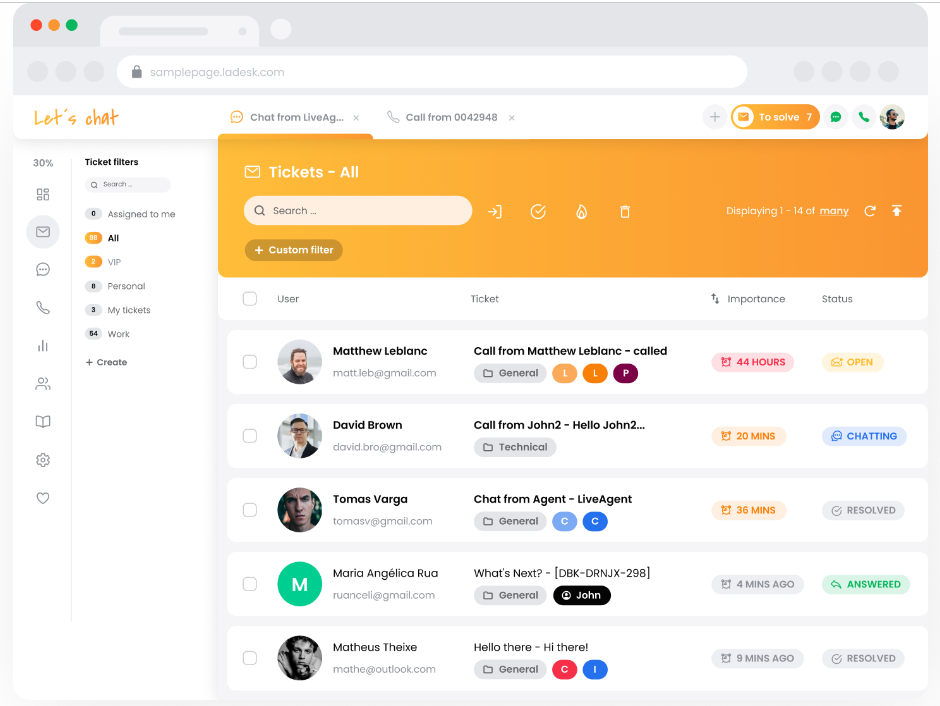
LiveAgent è una soluzione completa di helpdesk che offre supporto omnicanale. Consolida la comunicazione da vari canali in un'unica interfaccia, permettendo alle aziende di offrire un'assistenza clienti migliore e più snella. Grazie alle oltre 200 integrazioni e alle capacità omnicanale, è particolarmente adatto alle aziende che desiderano centralizzare le proprie operazioni di supporto clienti.
Pros and Cons
Pros:
- Vaste opzioni di integrazione
- Capacità omnicanale
- Ampia gamma di funzionalità
Cons:
- Il prezzo può essere elevato per team di grandi dimensioni
- La configurazione può essere complessa a causa delle numerose funzionalità
- Alcune funzionalità sono disponibili solo nei piani più costosi
Hiver
Ideale per gestire l'assistenza clienti direttamente da Gmail
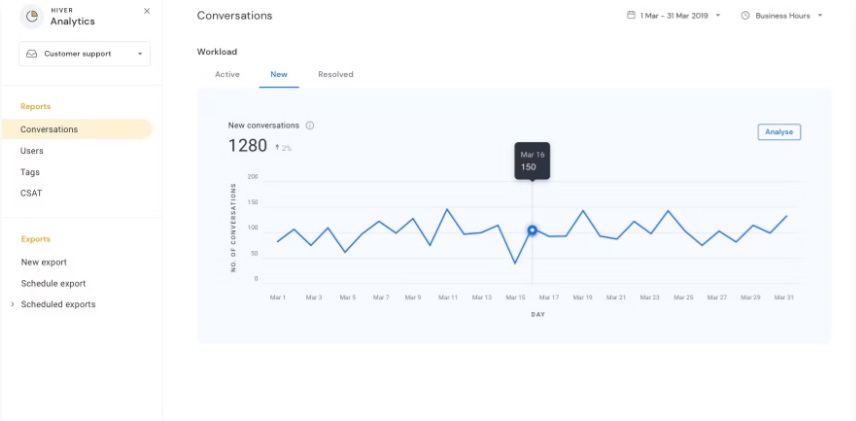
Hiver è uno strumento di assistenza clienti che funziona direttamente all'interno di Gmail, trasformando la tua casella di posta in una solida piattaforma di supporto clienti. Il servizio trasforma le caselle di posta condivise in spazi di lavoro collaborativi, rendendolo ideale per i team che si affidano molto a Gmail per la comunicazione.
Pros and Cons
Pros:
- Permette la gestione dell'assistenza clienti direttamente da Gmail
- Si integra con le app di G Suite
- Rilevamento delle collisioni per evitare risposte duplicate
Cons:
- Capacità di integrazione limitate oltre G Suite
- Potrebbe non essere adatto a chi non utilizza Gmail in modo intensivo
- Necessità della fatturazione annuale per prezzi più bassi

Help Scout
Ideale per aziende che necessitano di funzionalità avanzate di base di conoscenza
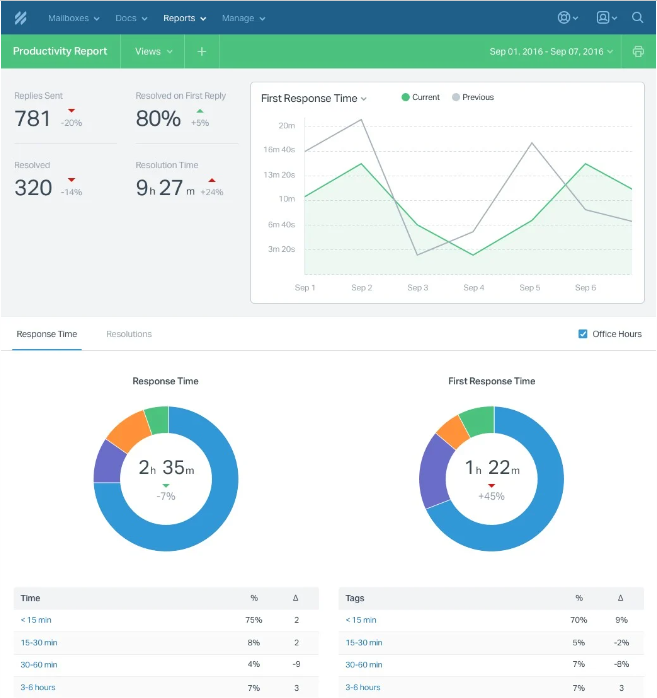
Help Scout è uno strumento di assistenza clienti che si concentra sull'aiutare le aziende a gestire le operazioni di supporto in modo più efficiente. È particolarmente efficace per quanto riguarda le funzionalità della base di conoscenza, rendendolo una scelta eccellente per le aziende che danno priorità al supporto clienti self-service.
Pros and Cons
Pros:
- Funzionalità estese della base di conoscenza
- Integrazioni robuste con app popolari
- Sistema di gestione clienti efficiente
Cons:
- Costo elevato per team piccoli
- Mancano funzionalità avanzate di automazione
- Opzioni di personalizzazione limitate
New Product Updates from Help Scout

Help Scout Adds Automatic Conversation Reassignment
Help Scout can now automatically unassign conversations when the assigned teammate has been away long enough, keeping replies moving so others can pick them up. For more information, visit Help Scout's official site.
 .
.Altre alternative a Front
Ecco alcune alternative aggiuntive a Front che non sono state incluse nel mio elenco, ma che vale comunque la pena prendere in considerazione:
- Zendesk
Ideale per l'efficienza nell'assistenza clienti con supporto AI di altissimo livello
- TeamSupport
Ideale per aziende B2B che necessitano di funzionalità avanzate di collaborazione
- Zoho Desk
Ideale per il supporto clienti integrato nell'ecosistema Zoho


Recensioni di altri software
Come Valuto le Alternative a Front
Divido la mia valutazione in due livelli: le funzionalità di base della casella di posta e le capacità di instradamento che un tool deve avere, e i fattori differenzianti—come le integrazioni per sviluppatori e l’IA—che distinguono una soluzione dall’altra.
Funzionalità di Base (Requisiti Fondamentali per Quest’Elenco)
Quando scelgo gli strumenti per la mia lista, valuto ciascuno su una scala da 0 (non offre la funzionalità) a 5 (eccelle in quest’area) per ogni funzionalità di base elencata sotto. Poi, calcolo il punteggio totale di ogni strumento in percentuale. Ogni tool deve raggiungere un punteggio minimo del 65% per essere preso in considerazione.
- Gestione Casella di Posta Condivisa: Cerco caselle di posta unificate dove i team IT possano assegnare, tracciare e collaborare sulle richieste in arrivo—come il rilevamento delle collisioni, per evitare che due ingegneri rispondano allo stesso avviso di anomalia.
- Supporto Multicanale: Ogni strumento dovrebbe raccogliere email, chat, SMS e messaggi social in un’unica vista, così il team può gestire sia una discussione Slack su un server offline che una mail di un fornitore nello stesso posto.
- Automazione dei Flussi di Lavoro e Instradamento: Valuto quanto bene uno strumento assegni automaticamente i ticket per argomento, priorità o team—fornendo ad esempio l’escalation automatica dei messaggi di sicurezza in una specifica coda con timer SLA dedicati.
- Strumenti di Collaborazione Interna: È importante poter coinvolgere colleghi tramite @menzioni, bozze condivise o conversazioni laterali. Verifico se il team può risolvere problemi internamente senza dover abbandonare la discussione.
- Integrazioni con Terze Parti: Controllo la presenza di connessioni native con strumenti che team IT e dev usano già—Jira per il bug tracking, GitHub per le PR, Slack per gli avvisi, e piattaforme di monitoraggio come Datadog o PagerDuty.
- Analisi e Reportistica: Le dashboard dovrebbero coprire tempi di risposta, tassi di risoluzione e conformità agli SLA. Guardo se i responsabili possono tracciare il carico di lavoro del team e individuare colli di bottiglia nelle varie code.
Una volta che ho una lista di tool che soddisfano questi criteri, considero cosa distingue ciascuna piattaforma dalle altre.
Fattori Differenzianti (Cosa Distingue i Fornitori)
Ecco come confronto e metto a confronto i diversi fornitori:
Funzionalità Distintive
Le funzionalità alimentate dall’IA sono un grande elemento distintivo—verifico se uno strumento può scrivere risposte, riassumere lunghe discussioni o categorizzare automaticamente i ticket in entrata per velocizzare la triage durante gli incidenti. Anche un’API dev-friendly è importante per i team IT che devono sviluppare integrazioni personalizzate con sistemi di monitoraggio o di segnalazione interni. Valuto inoltre se la piattaforma offre una knowledge base integrata che suggerisce articoli pertinenti durante la conversazione, aiutando gli operatori a risolvere problemi comuni come il reset delle password senza dover ricominciare da zero.
Oltre le Funzionalità
Sicurezza e conformità sono aspetti cruciali—verifico la presenza di certificazioni SOC 2 Type II, supporto SSO/SAML e controlli di accesso basati sui ruoli, dato che i team IT spesso gestiscono dati interni sensibili. Anche la trasparenza dei prezzi è importante. Guardo se il costo per utente rimane prevedibile con la crescita del team e se funzionalità chiave come l’automazione o caselle aggiuntive sono bloccate nei piani superiori. Valuto inoltre il supporto alla migrazione, specialmente per i team che migrano da Front e hanno bisogno di assistenza nell’importazione delle conversazioni storiche e nella ricostruzione dei flussi di lavoro esistenti.
Perché cercare un'alternativa a Front?
Sebbene Front sia una buona scelta come strumento di sviluppo front-end, esistono diversi motivi per cui alcuni utenti cercano soluzioni alternative. Potresti cercare un'alternativa a Front perché…
- Sei limitato dai modelli predefiniti.
- Hai bisogno di maggiore flessibilità con i componenti personalizzati.
- Il tuo team preferisce un sistema di progettazione diverso.
- Vuoi una migliore integrazione con il tuo stack di sviluppo.
- Stai lavorando a progetti che richiedono prestazioni più elevate.
- Hai bisogno di un maggiore controllo sulla responsività mobile.
Se ti riconosci in una di queste situazioni, sei nel posto giusto. Il mio elenco contiene diverse opzioni di strumenti di sviluppo front-end più adatte ai team che affrontano queste difficoltà con Front e cercano soluzioni alternative.
Funzionalità principali di Front
Ecco alcune delle caratteristiche principali di Front, per aiutarti a mettere a confronto le funzionalità offerte dalle soluzioni alternative:
- Componenti predefiniti: puoi utilizzare elementi dell'interfaccia utente già pronti per velocizzare lo sviluppo e mantenere coerenti i design.
- Strumenti per il design responsivo: il tuo team può creare layout che si adattano facilmente ai diversi dispositivi senza dover scrivere codice aggiuntivo.
- Temi personalizzati: puoi modificare caratteri, colori e stili per adattarli al tuo brand senza dover ricostruire tutto.
- Sistema a griglia: la griglia integrata ti aiuta ad allineare i contenuti e a mantenere i layout ordinati e organizzati.
- Sezioni riutilizzabili: il tuo team può creare e salvare sezioni da riutilizzare in più pagine, risparmiando tempo.
- Layout predisposto per le integrazioni: è facile collegare Front a strumenti di analisi o di gestione dei moduli.
- Elementi interattivi: puoi aggiungere animazioni, pulsanti e menu a discesa che funzionano senza dover ricorrere a librerie aggiuntive.
- Compatibilità tra browser: la piattaforma garantisce che i tuoi design abbiano lo stesso aspetto su tutti i principali browser.