El CTO afirma que la IA está causando grandes problemas de estabilidad
David Ting
CTO en Bespin Global

David Ting explica cómo la IA impulsa la velocidad de la ingeniería mientras introduce riesgos de estabilidad, y por qué la validación, la gobernanza y la supervisión de expertos son esenciales para un software confiable.
Key Takeaways
Estrategia de transformación con IA: David Ting está implementando una estrategia de transformación con IA para mejorar las operaciones y desarrollar nuevos productos.
Herramientas de desarrollo con IA: El uso de herramientas como Claude Code incrementa la productividad en el desarrollo en más de diez veces.
Experiencia humana: A pesar de los avances de la IA, los expertos humanos siguen siendo fundamentales para asegurar la funcionalidad del código y la gestión de la calidad.
Desafíos en producción: La integración de la IA puede generar inestabilidad en los entornos de producción, lo que requiere un monitoreo cuidadoso del rendimiento.
Aprender haciendo: Practicar la programación con herramientas de IA es más efectivo que la formación tradicional, la cual rápidamente queda obsoleta.
David Ting es el CTO de Bespin Global y ha estado integrando IA en los flujos de trabajo durante más de una década. Pero en el último año, dice que todo ha cambiado radicalmente.
Nos sentamos con David para hablar sobre los avances que está viendo. Nos comentó que no todo son ventajas: la estabilidad es un gran problema.
Estableciendo una Estrategia de Transformación con IA

Reflexiones de David
La innovación se ha acelerado aún más en el último año.
He trabajado activamente con IA durante más de una década. Es un entorno que avanza muy rápido, y la innovación se ha acelerado aún más en el último año.
Actualmente soy el CTO de Bespin Global, donde estoy estableciendo la estrategia de transformación con IA, desde agilizar las operaciones hasta incubar nuevos productos y servicios. Nos enfocamos en reventa de servicios en la nube y consultoría, y contamos con 1,000 empleados en todo el mundo.
También he iniciado e incubado dos productos internos de IA: una herramienta de manufactura con IA y una herramienta de seguridad con IA.
Dedico al menos el 50% de mi tiempo diario a programar y automatizar mi trabajo y mi vida. Esto me ayuda a mantenerme al día con los últimos avances técnicos. De hecho, he escrito más de 200,000 líneas de código con asistencia de IA en el último mes.
More Articles
- Las 10 mejores herramientas de IA para DevOps analizadas en 2026
- 10 mejores herramientas de IA para la productividad de desarrolladores en 2026
- Las 10 mejores herramientas de programación con IA en 2026
- Los 10 mejores programas de software de IA que están redefiniendo el futuro
- Las 10 mejores herramientas de automatización de pruebas basadas en IA analizadas en 2026
Por qué Claude Code Debería ser Obligatorio
Tenemos cientos de desarrolladores, y todos ellos utilizan Claude Code.
Supervisamos la velocidad de desarrollo de forma proactiva y comprobamos que la productividad de los desarrolladores puede incrementarse más de 10 veces. Personalmente, he constatado que 10x no es el límite.
Aún utilizamos los equipos tradicionales de desarrollo y QA con un flujo de trabajo estándar basado en especificaciones. El cambio está en las herramientas.
Incluso el equipo de QA escribe más pruebas con ayuda de la IA, principalmente pruebas con Playwright y pruebas unitarias adicionales.
El equipo de desarrollo también usa otras herramientas. Personalmente, uso herramientas de código abierto para la mayoría de las tareas. También utilizo OpenAI, Codex, Anthropic API y Claude. Uso todas simultáneamente desde varias ventanas de terminal.
Cómo la IA Potencia los Flujos de Trabajo de Ingeniería de Principio a Fin
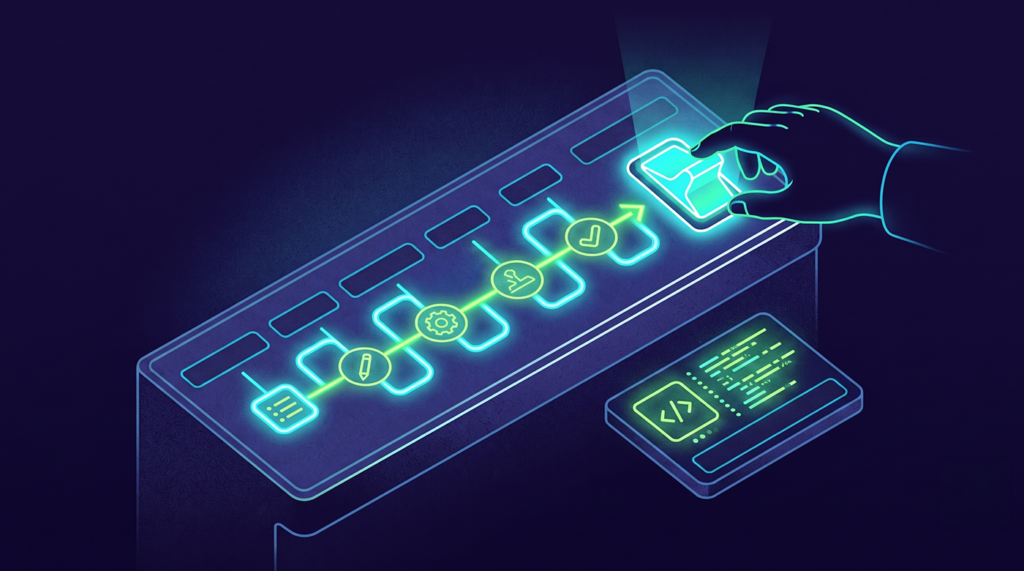
Redactamos la especificación del producto con IA, hacemos revisiones de arquitectura con IA y escribimos el código con IA.
Para hacer esto, comienzas con una especificación de diseño muy detallada. Tus desarrolladores con IA la desarrollarán, completarán detalles y analizarán el diseño (encontrando problemas). Luego, un agente trabaja y entrega cada elemento de acción.
Una vez finalizada la implementación, necesitas validación humana para asegurar que el software funcione según lo previsto. Conecta herramientas de observabilidad al stack de código para monitorear logs y métricas de rendimiento, y permite que la IA intente optimizar o solucionar errores con un objetivo muy concreto.
Cuando haces esto, verás que un solo desarrollador puede generar en poco tiempo el trabajo de 20 a 60 desarrolladores. El pulido final del producto requiere orientación experta, pero la IA realiza la mayor parte de la programación.
Por Qué la IA Cambia el Enfoque de la Calidad del Código al Resultado
Sigo usando la calidad del código como métrica que reviso, pero la IA ha cambiado mi enfoque hacia el número de casos de uso implementados y líneas de código.
La razón es sencilla: la IA aumenta la producción. Así que las iteraciones son extremadamente rápidas.
No se refactoriza. Dejas que los resultados dicten dónde invertir tu tiempo.
Mantuve la calidad del código como una métrica que sigo, pero la IA ha cambiado mi enfoque hacia el número de casos de uso implementados y líneas de código… Ya no refactorizas. Dejas que los resultados dicten dónde inviertes tu tiempo.

Por Qué Los Expertos Humanos Siguen Siendo Necesarios en los Flujos de Trabajo de Ingeniería
Así que, casi todo lo que hacemos está tocado por la IA. Ha mejorado muchísimo solo en los últimos seis meses, pero los expertos humanos siguen siendo esenciales para guiar el desarrollo. Garantizan que el código funcione correctamente y que el diseño UX sea limpio.
La IA alucina mucho. Esto crea errores profundamente arraigados. Se necesita alguien íntimamente familiarizado con las mejores prácticas de arquitectura para detectar esto.
Por eso estamos cambiando hacia equipos más pequeños de expertos de primer nivel. La fortaleza de un equipo ya no la dicta el tamaño.
Por Qué la IA Genera Más Trabajo para el Personal de Guardia
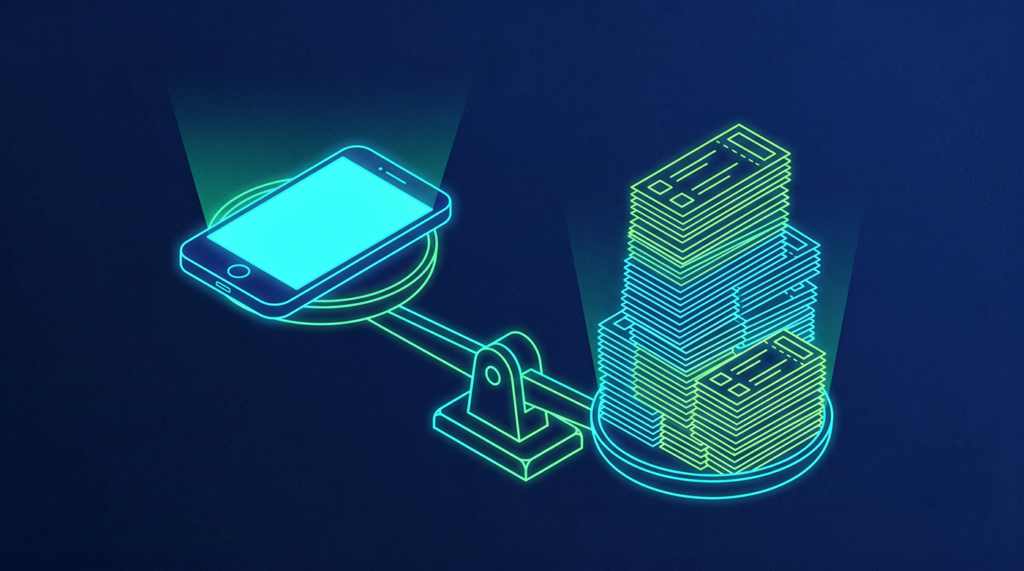
La integración de IA obviamente ha dado lugar a ahorros en costos. Nuestra línea de montaje digital, que se basa en IA agentica, ha reducido los requerimientos de personal en un 75% y al mismo tiempo ha incrementado la velocidad de entrega.
Este año, también estoy experimentando con la automatización de roles dentro de la empresa mediante un equipo de agentes, y estoy recibiendo resultados alentadores.
Pero estos logros no cuentan toda la historia.
La calidad varía muchísimo porque la codificación ahora es no determinista. El mismo prompt da resultados distintos, lo cual puede ser frustrante.
Evitar que un error se cuele en producción requiere mucho cuidado: los prompts requieren una construcción cuidadosa, y el código necesita pruebas minuciosas.
Por eso mismo, la gente también está trabajando más duro que nunca — especialmente el personal de guardia.
Cómo la IA Afecta la Disponibilidad en Producción
Añadimos monitoreo exhaustivo y barreras protectoras. La API de Claude es inestable en producción, así que la complementamos con modelos de código abierto como Qwen.
La disponibilidad en producción es otro problema. Nuestra aplicación ha sufrido una degradación severa en la calidad durante las horas de mayor demanda.
Planeamos ejecutar estas apps en LLMs auto-hospedados como mecanismo de respaldo.
Pensamientos de David
La disponibilidad en producción es otro problema. Nuestra aplicación ha sufrido una degradación severa en la calidad durante las horas de mayor demanda.
Por Qué la Programación Práctica Supera a la Formación en el Despliegue de IA
Cuando implementé estos cambios, la gente pidió formación antes de usar las herramientas.
Debería haber exigido que la gente usara la IA en su código desde el principio. En lugar de eso, se sometieron a toneladas de formación y cursos.
La IA está cambiando tan rápido que el material queda obsoleto cada semana. Hacer es la única manera de aprender.
Por Qué Agregar Desarrolladores Añade un Impuesto al Proyecto
Los CTO deberían estar rediseñando sus organizaciones. Porque ahora, los equipos de una persona tienen la máxima velocidad.
La productividad depende de dos cosas:
- Qué tan bien defines las tareas para la IA
- Qué tan bien validas y corriges el trabajo que produce la IA
Conserva a las personas que trabajan bien con IA. Agregar personas a un proyecto añade un impuesto.
Por qué los CTOs deben asumir que la IA fallará
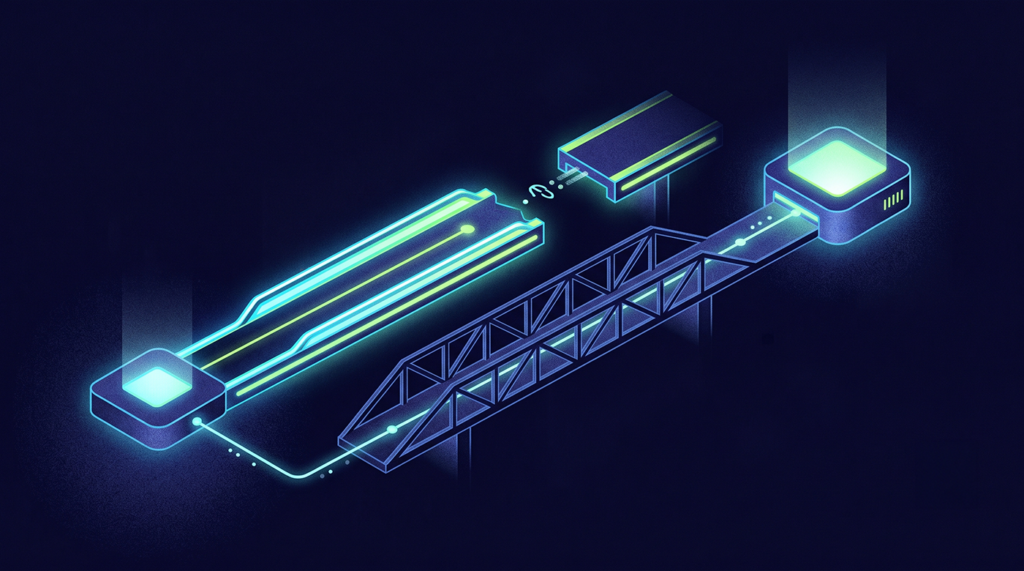
Este es mi consejo: Sé lo más agresivo posible con la adopción, pero valida minuciosamente.
Encontrarás éxitos por todas partes, pero experimentarás fracasos si careces de una validación adecuada y de estructuras de gobernanza.
Los CTOs deberían dedicar una cantidad significativa de tiempo a implementar estas estructuras — e incorporar numerosos sistemas de seguridad.
Asume que la IA fallará.
Sé lo más agresivo posible con la adopción, pero valida minuciosamente… Asume que la IA fallará.
Sigue conectado
Puedes seguir el trabajo de David Ting en LinkedIn.
¡Pronto llegarán más entrevistas con expertos en The CTO Club!