

Databricks versus Dataiku: vergelijking en beoordelingen door experts voor 2026



Data and analytics projects rarely struggle because teams lack tools. The harder part is keeping ingestion, transformation, governance, analytics, and AI workflows connected as data volumes and teams grow.
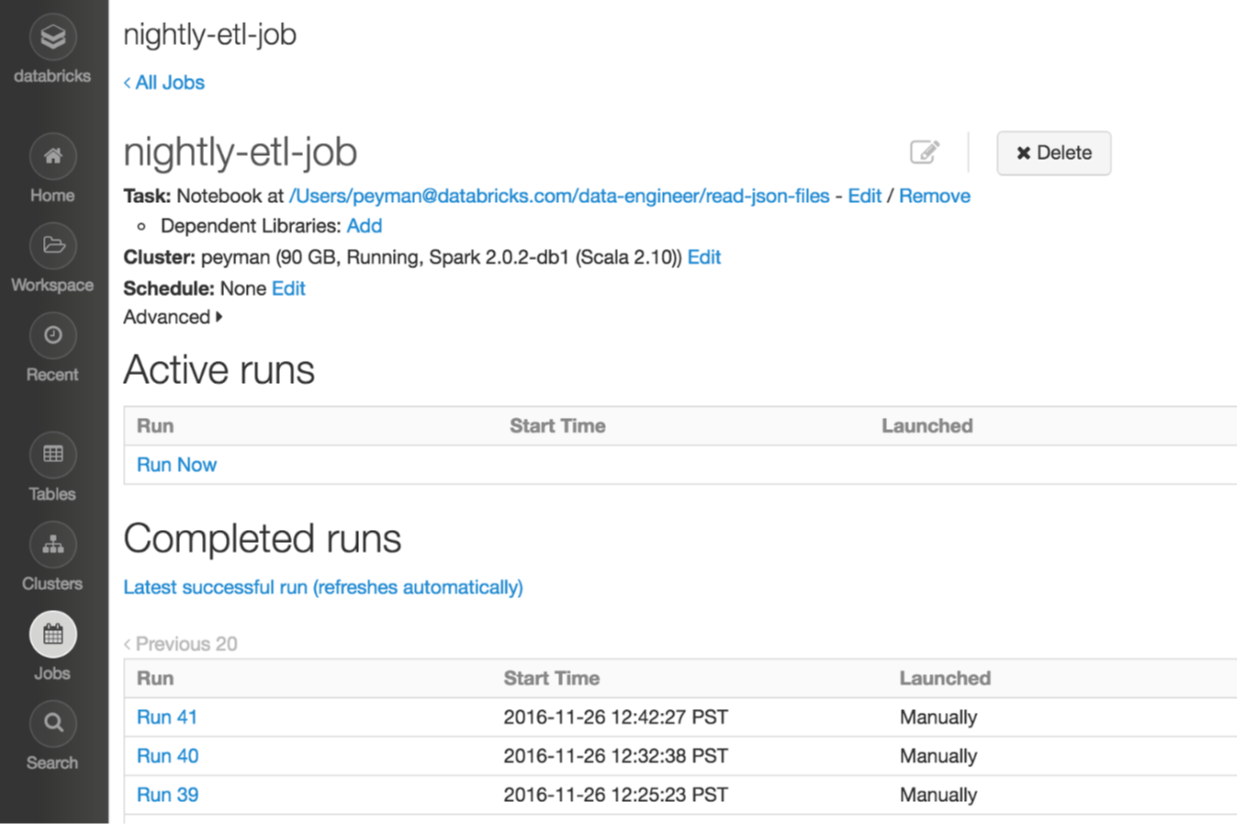
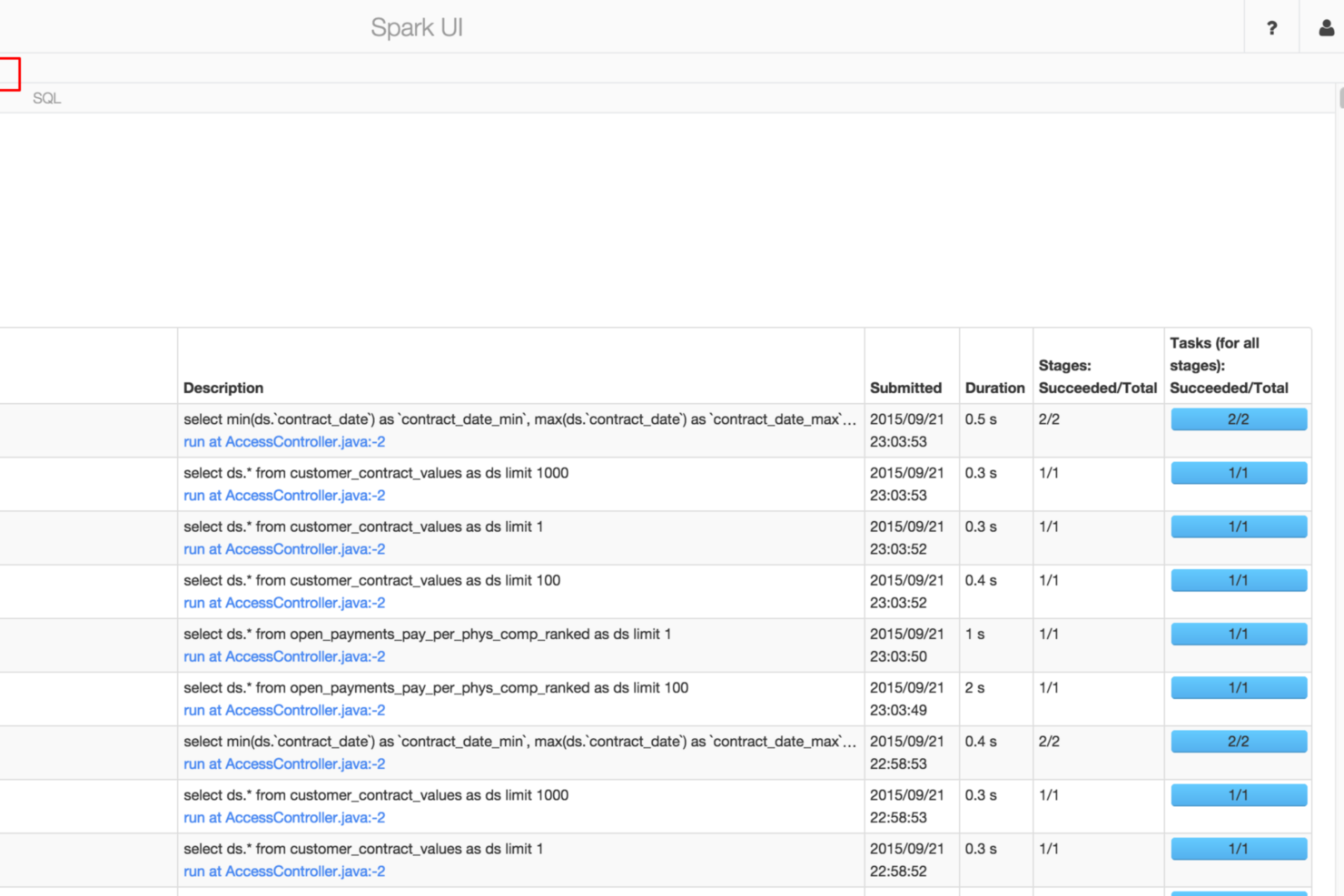
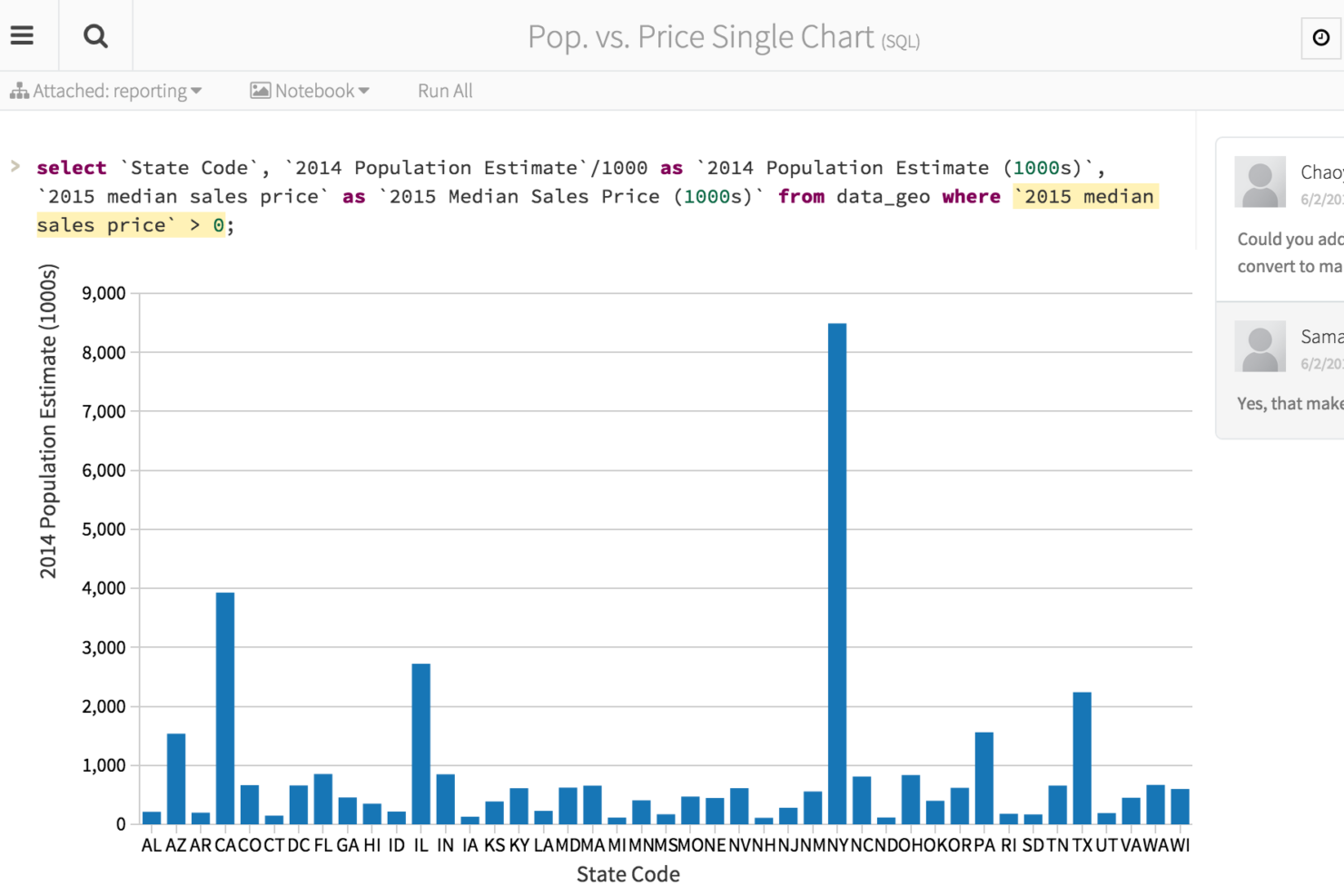
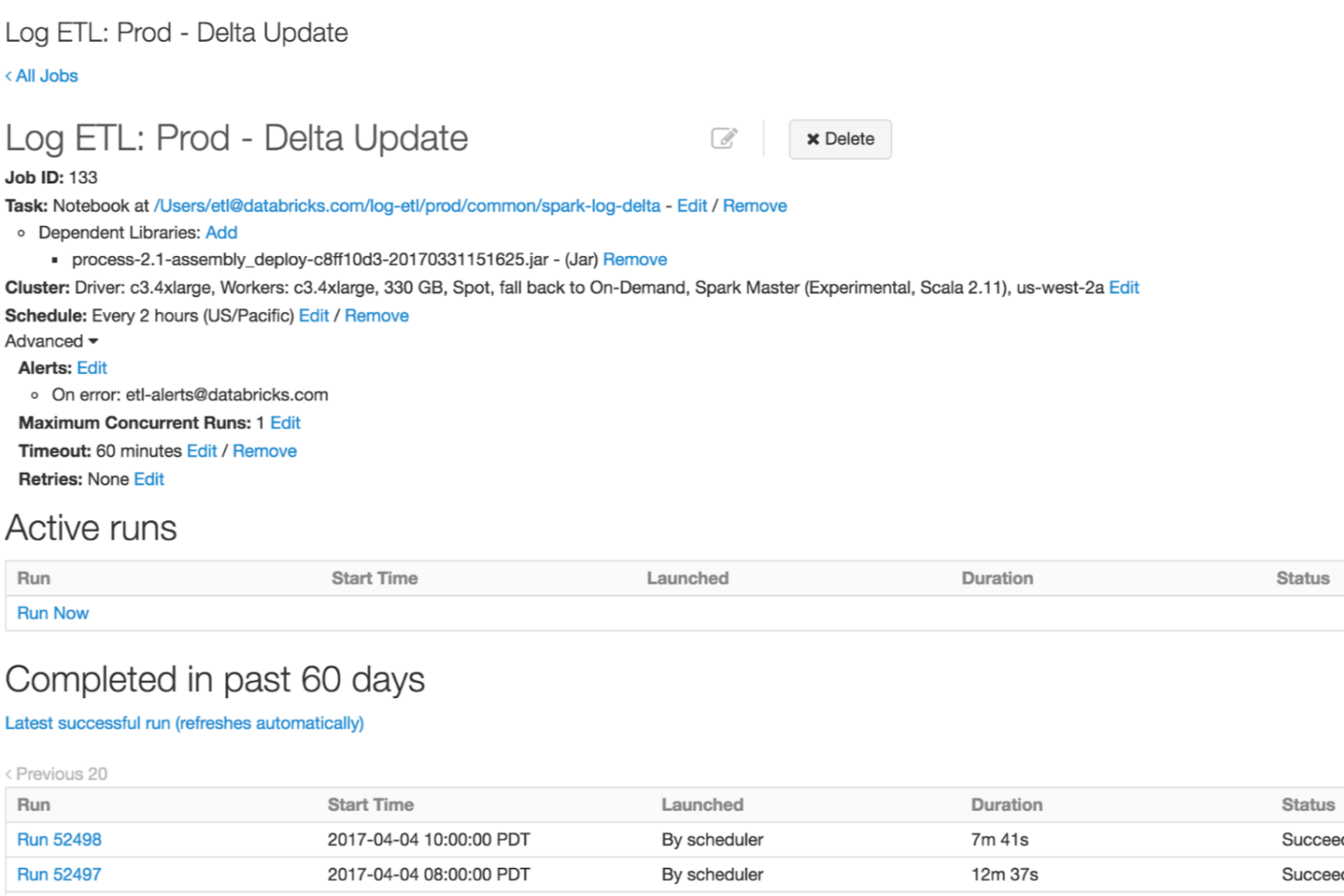
Databricks and Dataiku both address that challenge as DataOps tools, but they approach it differently. Databricks centers on a lakehouse architecture for data engineering, analytics, governance, and AI. We’ve also reviewed Dataiku as a machine learning cloud platform, while Dataiku now positions itself as the Platform for AI Success, with an emphasis on people, orchestration, and governance across enterprise AI workflows.
In this comparison, I’ll look at their features, pricing, security, integrations, ease of use, and best-fit use cases to help you decide which platform fits your data environment.
Databricks vs. Dataiku: An Overview
Databricks
Dataiku
Waarom u onze softwareaanbevelingen kunt vertrouwen
Ons team test en beoordeelt software sinds 2012. Als technologieleiders weten we zelf hoe moeilijk — en belangrijk — het is om de juiste software te kiezen.
Voor deze gids hebben we tools geëvalueerd met behulp van praktijktests en onafhankelijk onderzoek, waarbij we tools beoordeeden aan de hand van onze selectiecriteria.
Onze reviews weerspiegelen ons menselijke redactionele oordeel, geen verkooppraatje.
Deskundige beoordelaars:
Databricks vs. Dataiku Pricing Comparison
| Databricks | Dataiku | |
|---|---|---|
| Free Trial | Free edition available + 14-day free trial | 14-day free trial |
| Pricing | From $0.15/DBU | Pricing upon request |
Prijzen en verborgen kosten van Databricks versus Dataiku
Databricks hanteert verbruiksgebaseerde prijzen voor data-engineering, datawarehousing, analyses en AI. Daardoor variëren de kosten afhankelijk van rekenkracht, opslag, netwerkgebruik en de efficiëntie van workloads. Dataiku werkt met prijzen op basis van offertes, waarbij de totale kosten afhangen van implementatie, infrastructuur, ondersteuning en de vereiste mogelijkheden.
Naast de basisprijs kunnen de kosten van Databricks oplopen door langdurig gebruik van rekenkracht, gegevensoverdracht, opslag, ondersteuning en premiumdiensten. Bij Dataiku kunnen de totale kosten variëren afhankelijk van licenties, implementatie-infrastructuur, implementatie, ondersteuning en de mogelijkheden die in de bedrijfsovereenkomst zijn opgenomen. Ik zou een realistische productieworkload modelleren en Dataiku om een gespecificeerde offerte vragen voordat ik de totale kosten vergelijk.
Databricks vs. Dataiku Feature Comparison
| Databricks | Dataiku | |
|---|---|---|
| API | ||
| Comparative Reporting | ||
| Custom Reports | ||
| Dashboard | ||
| Data Export | ||
| Data Import | ||
| Data Visualization | ||
| External Integrations | ||
| Forecasting | ||
| Historical Data Analysis | ||
| Multi-User | ||
| Notifications | ||
| Scenario Planning |
Integraties van Databricks versus Dataiku
| Integratie | Databricks | Dataiku |
|---|---|---|
| Microsoft Azure | ✅ | ✅ |
| Amazon Web Services (AWS) | ✅ | ✅ |
| Google Cloud Platform (GCP) | ✅ | ✅ |
| PostgreSQL | ✅ | ✅ |
| ServiceNow | ✅ | ✅ |
| SAP | ✅ | ✅ |
| Salesforce | ✅ | ✅ |
| MongoDB | ✅ | ✅ |
| Oracle Database | ✅ | ✅ |
| Power BI | ✅ | ✅ |
| API | ✅ | ✅ |
| Zapier | ✅ | ❌ |
Zowel Databricks als Dataiku ondersteunen uitgebreide integratie-ecosystemen voor cloudplatforms, databases, BI-tools, API's en zakelijke gegevensbronnen. Databricks koppelt deze verbindingen nauw aan zijn lakehouse, Lakeflow en beheerde data-engineeringworkflows, terwijl Dataiku zich richt op het verbinden van bestaande systemen met visuele, gezamenlijke analyse- en AI-workflows.
Databricks vs. Dataiku Beveiliging, Naleving & Betrouwbaarheid
| Factor | Databricks | Dataiku |
|---|---|---|
| Gegevensversleuteling | Versleutelt gegevens in rust en tijdens transport, met door de klant beheerde sleutels en aanvullende versleutelingscontroles voor bedrijfs- en gereguleerde werklasten. | Ondersteunt versleutelingscontroles voor verschillende implementaties, waarbij de verantwoordelijkheden voor gegevensbescherming verschillen tussen Dataiku Cloud en door de klant beheerde omgevingen. |
| Naleving van regelgeving | Ondersteunt SOC 1 Type II, SOC 2 Type II, ISO 27001, ISO 27017, ISO 27018, HIPAA, PCI DSS, HITRUST en FedRAMP Moderate en High, afhankelijk van cloud, regio en configuratie. | Beschikt over SOC 1 Type II-, SOC 2 Type II-, ISO 27001- en ISO 27701-certificeringen, met HIPAA-controles beschikbaar voor Dataiku Cloud. |
| Toegangscontroles | Unity Catalog centraliseert fijnmazige machtigingen voor data- en AI-middelen, met identiteitsfederatie, SSO, rij- en kolomcontroles en beperkingen op werkruimteniveau. | Gebruikt machtigingen op groeps- en projectniveau naast SSO-, LDAP- en identiteitsproviderintegraties om de toegang tot projecten, gegevens en platformfuncties te beheren. |
| Betrouwbaarheid van de service | Ondersteunt automatisch schalen, serverloze en beheerde rekenkracht, werklastisolatie en cloud-native beschikbaarheid op AWS, Azure en Google Cloud. | Ondersteunt schaalbare productie-implementaties via Automation- en API-nodes, inclusief configuraties met meerdere nodes, taakverdeling en architecturen met hoge beschikbaarheid. |
| Auditregistratie | Biedt gecentraliseerde auditregistratie voor account- en werkruimteactiviteiten, als aanvulling op Unity Catalog-governance en gegevensherkomst voor data- en AI-werklasten. | Houdt een audittrail bij met gebruikersacties, tijdstempels, IP-adressen, authenticatiemethoden en andere platformgebeurtenissen. |
Beide platforms bieden beveiligingscontroles voor ondernemingen, maar leggen verschillende accenten. Databricks combineert beveiliging, naleving, toegangsbeheer en governance voor data- en AI-werklasten via zijn bredere cloudplatform en Unity Catalog, terwijl Dataiku gedetailleerde machtigingen op projectniveau, authenticatiecontroles en controleerbaarheid biedt voor samenwerkende analyse- en AI-werkstromen. Databricks ondersteunt ook een bredere reeks raamwerken voor gereguleerde werklasten, hoewel de beschikbaarheid afhankelijk is van de cloud, regio en configuratie.
Databricks vs. Dataiku Gebruiksgemak
| Factor | Databricks | Dataiku |
|---|---|---|
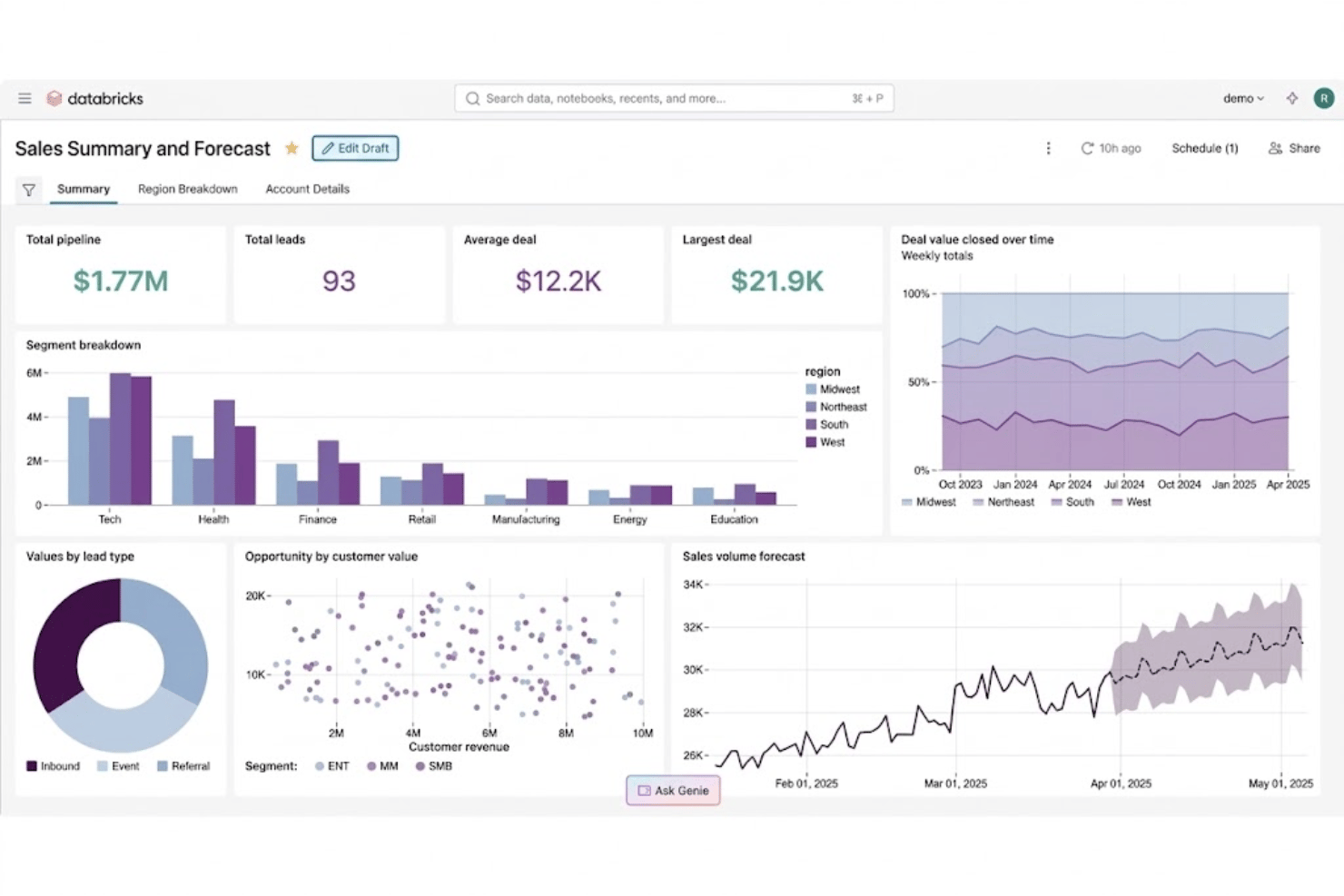
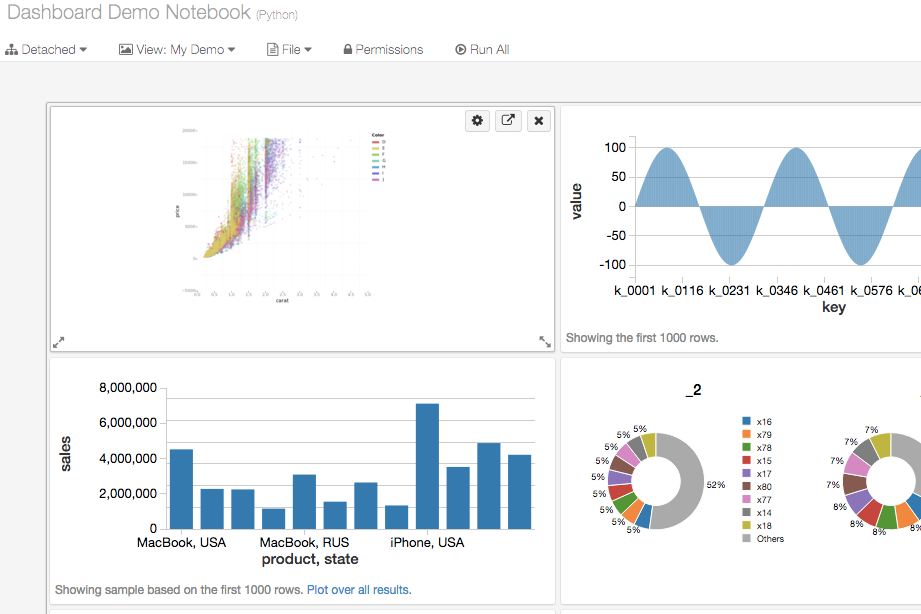
| Gebruikersinterface | Combineert samenwerkende notebooks, SQL-tools, dashboards, visuele pijplijnwerkstromen en AI-ondersteunde ontwikkeling in één werkruimte voor data- en AI-teams. | Gebruikt de visuele Flow-interface naast notebooks en code-editors, waardoor technische en niet-technische gebruikers meerdere manieren hebben om werkstromen te bouwen. |
| Leercurve | Biedt beheerde en serverloze services die infrastructuurwerk verminderen, hoewel geavanceerde engineering- en AI-werklasten nog steeds baat hebben bij kennis van SQL, Python, Spark en de cloud. | Visuele recepten en tools zonder code verminderen de behoefte aan programmeren voor veelgebruikte analyse- en ML-werkstromen. |
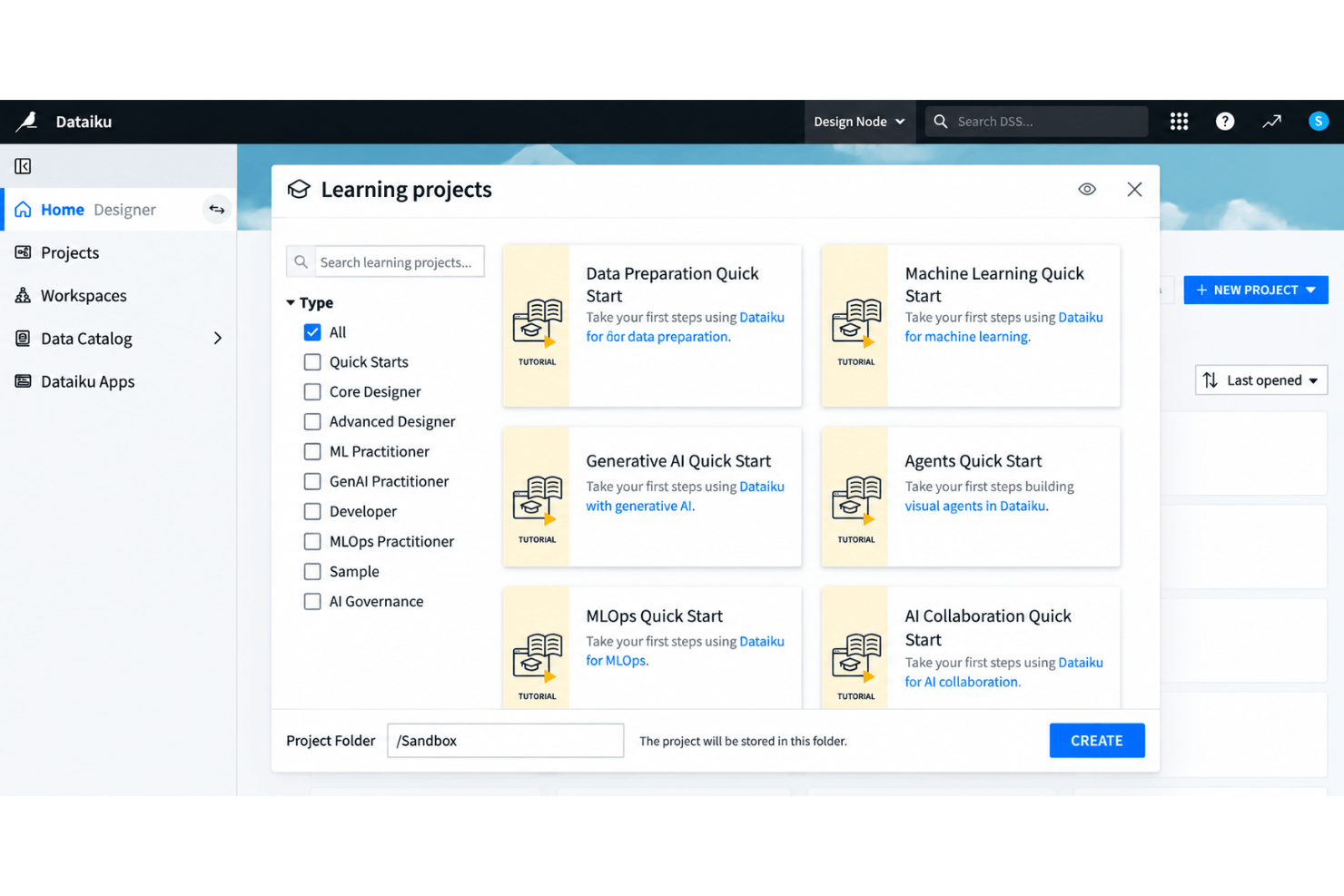
| Onboarding | Biedt begeleide configuratie van werkruimten, voorbeeldnotebooks, zelfstudies, trainingen en beheerde services om van ontwikkeling naar gereguleerde productie te gaan. | Biedt zelfstudies, voorbeeldprojecten en begeleide tools om werkstromen voor gegevensvoorbereiding, analyse en ML te leren. |
| Samenwerking | Ondersteunt realtime samenwerking in notebooks, gedeelde pijplijnen, dashboards, beheerde gegevenstoegang en AI-werkstromen voor technische teams. | Ondersteunt gedeelde projecten die visueel en op code gebaseerd werk combineren voor analisten, datawetenschappers en zakelijke gebruikers. |
| Ondersteuningsbronnen | Biedt uitgebreide documentatie, trainingen, communitybronnen en gelaagde bedrijfsondersteuning voor engineering, analyse, governance en AI. | Biedt documentatie, Dataiku Academy, communitybronnen en bedrijfsondersteuning. |
Wat gebruiksgemak betreft combineert Databricks beheerde infrastructuur, samenwerkende notebooks, visuele pijplijnen en AI-ondersteunde ontwikkeling in één omgeving voor data- en AI-teams. Dataiku kiest daarentegen voor een meer visuele aanpak via Flow, recepten zonder code en gedeelde projecten, waardoor analyse- en ML-werkstromen toegankelijk worden voor een bredere mix van gebruikers. Voor teams die complexe engineering-, analyse- en AI-werklasten uitvoeren, biedt Databricks meer diepgang en beheerde services, terwijl organisaties met teams met uiteenlopende vaardigheden mogelijk de voorkeur geven aan het visuele werkstroommodel van Dataiku.
Databricks vs Dataiku: Pros & Cons
Databricks
- Unifies data engineering, analytics, governance, and AI workloads, reducing the need to maintain separate platforms and duplicate data
- Built on open technologies like Delta Lake and Apache Spark, giving teams more flexibility and portability than proprietary data formats
- Unity Catalog applies governance and access policies consistently across data and workloads, which is useful for complex or multi-cloud environments
- Usage-based pricing can become difficult to predict as workloads grow, especially without careful compute and query optimization
- Requires strong technical expertise in areas like SQL, Python, Spark, and data engineering to get full value from the platform
- Can be excessive for teams with simple reporting or low-volume analytics needs, where the platform’s complexity may outweigh the benefits
Dataiku
- Visual workflow enables collaboration between technical and non-technical users
- Supports both code and no-code data science projects within one platform
- Offers governed project management with strong version control options
- Real-time deployment capabilities lag behind competitors like Databricks
- Pricing can be high for large-scale production use
- Interface performance slows with extremely complex pipelines
Best Use Cases for Databricks and Dataiku
Databricks
- Large Enterprises Organizations with multiple data teams and high-volume workloads can use Databricks to centralize data engineering, analytics, governance, and AI while reducing duplicated data and tooling.
- Financial Services Banks, insurers, and other financial organizations can use Databricks for governed analytics, fraud detection, risk modeling, and machine learning across sensitive datasets.
- Healthcare and Life Sciences Healthcare and life sciences teams can manage large, sensitive datasets while applying centralized governance to analytics, research, and AI workloads.
- Retail and Consumer Goods Retailers can combine customer, transaction, inventory, and operational data for forecasting, personalization, supply chain analytics, and machine learning.
- Manufacturing Manufacturers can bring together operational, IoT, and enterprise data for predictive maintenance, production analytics, forecasting, and AI-driven optimization.
- Technology and Software Technology companies with data-intensive products or services can use Databricks for large-scale pipelines, real-time analytics, ML development, and AI applications.
Dataiku
- Financial Services Dataiku’s security controls, rich audit trails, and integrations with enterprise databases support strict compliance and large, multi-user data teams.
- Retail Analytics The visual flow and data prep features simplify shopper behavior analysis, inventory optimization, and omni-channel reporting for retail BI departments.
- Healthcare Providers Collaboration tools and responsible AI features help clinicians and administrators securely build predictive models using sensitive health data.
- Large Enterprises Support for governance, workspace management, and automation at scale is designed for organizations with hundreds of users and complex data environments.
- Data Science Teams Python, R, and SQL integration, combined with visual ML model building, suit data professionals needing flexible, repeatable workflows.
- Manufacturing Operations No-code tools and strong cloud integrations help process engineers and analysts optimize supply chain, sensor, and production data without heavy scripting.
Wie zou Databricks moeten gebruiken en wie Dataiku?
Als je op zoek bent naar een DataOps-platform voor grootschalige data-engineering, analyse, streaming, governance en AI, is Databricks waarschijnlijk de betere keuze. Het is geschikt voor teams die complexe pijplijnen en grote dataomgevingen beheren en behoefte hebben aan beheerde rekenkracht, gezamenlijke ontwikkeling, een lakehouse-architectuur, gecentraliseerde governance via Unity Catalog en geïntegreerde werkstromen voor engineering, analyse en AI.
Daarentegen is Dataiku geschikt voor organisaties die willen dat analyses en AI-workflows toegankelijk zijn voor teams met uiteenlopende vaardigheidsniveaus. De visuele Flow, tools voor code en zonder code, AutoML en mogelijkheden voor governance ondersteunen gezamenlijke datavoorbereiding, analyses en modelontwikkeling, zonder dat elke gebruiker voornamelijk in code hoeft te werken.
Differences Between Databricks and Dataiku
| Databricks | Dataiku | |
|---|---|---|
| AI & Data Intelligence | Its Data Intelligence Engine uses organizational metadata and context to improve discovery, optimization, governance, analytics, and AI, alongside MLflow for the ML lifecycle. | Combines AutoML, model deployment and monitoring, GenAI tooling, and responsible AI controls with visual and code-based model development. |
| Data Engineering | Lakeflow supports managed ingestion, batch and streaming pipelines, transformation, orchestration, and monitoring, backed by elastic and serverless compute for large-scale workloads. | Uses Visual Flow, recipes, and code-based steps to build data pipelines, with workloads able to run through connected databases, cloud services, and compute engines. |
| Deployment Approach | Runs as a cloud-native platform across AWS, Azure, and Google Cloud, with Databricks-managed and serverless compute available for different workloads. | Can be deployed through Dataiku Cloud or customer-managed cloud, on-premises, and hybrid environments, fitting into existing data infrastructure. |
| Governance Model | Unity Catalog centralizes access policies, discovery, auditing, classification, and lineage across data, models, applications, and AI assets. | Emphasizes governed project management with permissions, documentation, lineage, approvals, and controls across analytics and AI projects. |
| Platform Foundation | Uses a lakehouse architecture that unifies data engineering, warehousing, analytics, ML, and AI on open technologies such as Delta Lake and Apache Spark. | Provides a collaborative data and AI platform that brings preparation, analytics, ML, GenAI, and governance into shared projects and visual workflows. |
| Visit DatabricksOpens new window | Read Dataiku ReviewOpens new window |
Similarities Between Databricks and Dataiku
| Analytics & Visualization | Both support SQL-based analysis, dashboards, data exploration, and broader analytics workflows alongside their engineering and AI capabilities. |
|---|---|
| Collaboration | Both provide shared environments where data engineers, analysts, and data scientists can work together on data and AI projects, although their collaboration models differ. |
| Data Integration | Both connect to major cloud platforms, databases, enterprise applications, and APIs so teams can work with data across existing systems. |
| Enterprise Security | Both provide role-based permissions, SSO and identity integrations, encryption, auditability, and enterprise governance controls for regulated data environments. |
| Workflow Automation | Both support scheduling, orchestration, monitoring, and repeatable production workflows for moving data and analytics processes from development into operation. |
| Visit DatabricksOpens new window Read Dataiku ReviewOpens new window | |