Non tutti i problemi hanno bisogno dell’IA
Abdulrhman AlOdhayb
Consulente senior per la tecnologia presso l'Ufficio del Ministro della Difesa dell'Arabia Saudita
Abdulrhman Alodhayb spiega perché un'adozione dell'IA efficace dipende dal giudizio umano, dalla governance e dal cambiamento organizzativo, non semplicemente dall'avere una strategia per l'IA.
Key Takeaways
Giudizio umano: L'adozione dell'IA ha successo quando i leader utilizzano i modelli per affinare le decisioni, mantenendo al contempo la responsabilità dei risultati rilevanti.
Risultati comprovati: La governance assistita dall'IA ha ridotto del 60 percento il tempo di preparazione delle revisioni e ha fatto emergere importanti rischi dei programmi con settimane di anticipo.
Barriere nascoste: Le istituzioni complesse incontrano difficoltà quando l'IA non dispone di relazioni non documentate, di un contesto condiviso e di meccanismi per diffondere gli insegnamenti tra i team.
Flusso di lavoro migliore: Un flusso di lavoro disciplinato per l'IA seleziona gli input, verifica le contraddizioni, applica la revisione degli esperti e registra i risultati per un miglioramento continuo.
Cambiamento della leadership: I leader tecnologici di domani avranno bisogno di giudizio, umiltà, competenze nella gestione del cambiamento e chiarezza strategica più che della sola autorevolezza tecnica.
Abdulrhman AlOdhayb lavora nell'ambito della tecnologia e della trasformazione all'interno di un complesso ambiente istituzionale. È Consulente senior per la tecnologia presso l'Ufficio del Ministro della Difesa dell'Arabia Saudita.
Abbiamo incontrato Abdulrhman per conoscere le opportunità e le insidie legate all'adozione dell'IA in ambienti complessi e ad alto rischio. Ecco cosa ci ha raccontato.
La tecnologia non è mai la parte difficile
Sono Abdulrhman Alodhayb, dirigente nel settore della tecnologia e della trasformazione, con 19 anni di esperienza manageriale all'interno di uno degli ambienti istituzionali più complessi che si possano immaginare: la difesa nazionale. Ho trascorso quasi due decenni presso il Ministero della Difesa dell'Arabia Saudita, guidando la trasformazione digitale della sanità, l'architettura aziendale e, più recentemente, ricoprendo il ruolo di Consulente senior per la tecnologia presso l'Ufficio del Ministro della Difesa.
La mia carriera si è sviluppata in un punto d'incontro che la maggior parte dei responsabili tecnologici incontra raramente: dove le decisioni ingegneristiche hanno implicazioni per la sicurezza nazionale, dove allineare gli stakeholder significa fare da ponte tra le strutture di comando militari, i sistemi clinici e le piattaforme aziendali, e dove il costo di una trasformazione fallita non si misura in ricavi persi, ma nella fiducia istituzionale e nella prontezza operativa.
Il filo conduttore di tutto questo è stata un'unica convinzione: la tecnologia non è mai la parte difficile. La parte difficile è creare le condizioni organizzative affinché la tecnologia produca valore. Ho progettato strategie ICT per ospedali, ho contribuito alla riprogettazione di un Modello operativo obiettivo per l'intero Ministero insieme a BCG e ho guidato iniziative digitali a livello aziendale in cui fallire semplicemente non era un'opzione.
Oggi, mentre l'intelligenza artificiale passa dalla fase di sperimentazione al cuore dell'architettura dei sistemi, dello sviluppo software e dell'abilitazione organizzativa, mi trovo nel momento più interessante della mia carriera. Sono concentrato soprattutto su questioni che non riguardano la tecnologia in sé, ma il modo in cui i leader sviluppano il discernimento, la governance e architetture resilienti che consentano all'IA di accelerare la realizzazione senza compromettere la qualità o la sicurezza.
È di questo che sono qui a parlare.
More Articles
Lavorare a livello strategico

Il patrimonio tecnologico su cui lavoro è vasto sotto ogni punto di vista. Gestiamo sistemi a livello aziendale che comprendono ospedali militari, piattaforme di comando e controllo, infrastrutture per le comunicazioni unificate e strutture dati per la difesa nazionale. L'architettura è intrinsecamente ibrida: implementazioni sovrane on-premise, in cui la localizzazione dei dati e la classificazione di sicurezza sono non negoziabili, integrate con piattaforme modernizzate sulle quali promuoviamo attivamente la trasformazione digitale.
Lavoro a livello strategico, fornendo consulenza a livello ministeriale, guidando le funzioni di gestione strategica del PMO e dell'IT e allineando le roadmap tecnologiche tra molteplici direzioni e unità organizzative. La complessità umana è pari a quella tecnica. Coordinare la trasformazione all'interno di una forza lavoro militare e civile articolata su più livelli, con culture operative e tolleranze al rischio differenti, è di per sé una disciplina.
Qui la complessità dei prodotti è diversa da quella della tecnologia commerciale. Non distribuiamo funzionalità. Stiamo riprogettando il modo in cui opera un'istituzione nazionale. Questo include sistemi di cartelle cliniche elettroniche per una rete di ospedali militari, piattaforme per le risorse aziendali e, più recentemente, il contributo a un Modello operativo obiettivo per l'intero Ministero, che ripensa il modo in cui la tecnologia struttura e abilita l'intera organizzazione della difesa.
Il modello di implementazione è necessariamente incentrato sulla sovranità. Sicurezza, classificazione e governance nazionale dei dati non sono vincoli da aggirare. Sono l'architettura stessa. Questa realtà influenza il mio modo di pensare alla resilienza, alla ridondanza e a cosa significhi adottare responsabilmente l'IA quando la posta in gioco è nazionale anziché commerciale.
Come l'IA rende visibile l'invisibile

Abdulrhman racconta
Abbiamo modificato il livello di governance stesso. Abbiamo introdotto analisi assistite dall’IA nel processo di revisione dei programmi… Questo non ha sostituito il giudizio umano. Ha fornito ai responsabili delle decisioni un quadro più ricco e rapido della realtà organizzativa…
Lo scorso anno ho introdotto punti di controllo della governance basati sull'IA nel nostro ciclo di revisione dei programmi tecnologici. Prima di questo cambiamento, le revisioni dei programmi si concentravano sulle metriche tradizionali di realizzazione: rispettare le tappe, monitorare i budget e registrare i rischi. Il processo era disciplinato, ma intrinsecamente orientato al passato. Misuravamo ciò che era già accaduto invece di anticipare ciò che avrebbe potuto andare storto.
Il cambiamento è avvenuto quando ho riconosciuto che diversi programmi aziendali generavano enormi volumi di dati strutturati e non strutturati — tra documentazione di progetto, comunicazioni con i fornitori, richieste di modifica e report operativi — ma nessuno sintetizzava queste informazioni per orientare le decisioni dirigenziali in tempo reale. Trattavamo queste informazioni come un archivio.
Abbiamo cambiato il livello di governance stesso. Abbiamo introdotto l’analisi assistita dall’AI nel processo di revisione dei programmi, utilizzando le capacità dei modelli linguistici per sintetizzare la documentazione trasversale ai vari programmi, mettere in evidenza le anomalie nei modelli di consegna e generare indicatori di allerta precoce prima che diventassero elementi di escalation. Questo non ha sostituito il giudizio umano. Ha fornito ai responsabili delle decisioni un quadro più ricco e rapido della realtà organizzativa, consentendo loro di applicare il proprio giudizio nel momento e al livello appropriati.
I risultati sono stati significativi. I cicli di revisione sono diventati più mirati perché la dirigenza arrivava con una visione già sintetizzata dei punti che richiedevano realmente attenzione, invece di trascorrere la prima metà di ogni sessione a ricostruire lo stato dai report grezzi. Ancora più importante, abbiamo individuato due rischi significativi dei programmi prima di quanto avrebbe fatto emergere il nostro processo tradizionale, consentendo di intervenire prima dell’impatto anziché reagire a posteriori.
Questa esperienza ha rafforzato un principio che oggi sostengo fermamente: l’AI non trasforma le organizzazioni sostituendo i processi. Le trasforma rendendo visibile ciò che è invisibile e offrendo ai leader la chiarezza necessaria per agire con precisione invece di reagire con urgenza.
Dove i team tecnici dovrebbero utilizzare l’AI
Il confine tra le decisioni informate dall’AI e quelle di competenza umana non è statico. Si sposta man mano che si conquista fiducia, maturano le capacità e diventano più chiari i rischi associati a ciascun ambito decisionale.
Nel mio contesto, mi affido attivamente all’AI per informare o supportare il lavoro tecnico in diverse aree. Una di queste è la sintesi della documentazione e l’intelligence trasversale ai programmi. Oltre a ciò, utilizzo l’AI per supportare l’analisi dei modelli architetturali, valutando in particolare se le soluzioni proposte siano in linea con gli standard aziendali consolidati o introducano debito tecnico destinato a crescere nel tempo. Oggi l’AI può evidenziare in poche ore ciò che in passato richiedeva giorni di revisione da parte di un architetto senior — non come verdetto finale, ma come input strutturato che rende più precisa la revisione umana successiva.
Utilizzo inoltre ampiamente l’AI nel livello della pianificazione strategica: per sintetizzare le valutazioni dello scenario tecnologico, effettuare confronti con le migliori pratiche globali e predisporre la struttura analitica per roadmap e modelli operativi target. Quando il volume degli input è elevato e il tempo per la sintesi è limitato, l’AI offre un valore sproporzionato.
Sul fronte della sicurezza, il monitoraggio e il rilevamento delle anomalie informati dall’AI sono diventati un’aspettativa di base, non un’innovazione. Il riconoscimento dei modelli alla velocità e su scala richieste dai moderni ambienti delle minacce va semplicemente oltre le capacità umane non assistite. In questo ambito, mi fido dell’AI per individuare e segnalare. Non mi fido di lei per arrivare a una conclusione o rispondere.
Dove le attività dovrebbero rimanere di competenza umana
E la governance stessa rimane di competenza umana. Sono profondamente cauto nei confronti di qualsiasi organizzazione che consenta all’AI di governare l’AI. Le persone che possono essere ritenute responsabili dei risultati devono avere il controllo del livello di supervisione, dei controlli etici e delle decisioni relative agli ambiti in cui l’AI dovrebbe o non dovrebbe operare.
Tutto ciò che comporta conseguenze istituzionali rimane esplicitamente di competenza umana. Le decisioni architetturali destinate a plasmare l’organizzazione per cinque o dieci anni rimangono di competenza umana. L’analisi dell’AI le informa, ma sono le persone che comprendono il contesto organizzativo, le dinamiche politiche e le implicazioni a lungo termine a valutarle in ultima istanza, in modi che nessun modello è attualmente in grado di replicare. Le decisioni di risposta agli incidenti che incidono sulla continuità operativa, soprattutto in un contesto di difesa, richiedono l’autorità di comando umana. Non esiste automazione della responsabilità.
Le decisioni relative a fornitori e partnership rimangono di competenza umana. Valutare la fiducia, l’allineamento dei valori e la compatibilità organizzativa a lungo termine richiede un giudizio umano che va ben oltre ciò che l’AI è oggi in grado di valutare in modo affidabile.
E la governance stessa rimane di competenza umana. Sono profondamente cauto nei confronti di qualsiasi organizzazione che consenta all’AI di governare l’AI. Le persone che possono essere ritenute responsabili dei risultati devono avere il controllo del livello di supervisione, dei controlli etici e delle decisioni relative agli ambiti in cui l’AI dovrebbe o non dovrebbe operare.
Il mio principio operativo è questo: mi fido dell’AI perché ampli l’ambito del giudizio umano, mai perché sostituisca il giudizio stesso. Nel momento in cui un’organizzazione confonde le due cose, non ha adottato l’AI. Ha semplicemente esternalizzato la propria responsabilità.
I risultati positivi dell’integrazione dell’AI
Dal lato positivo, l'integrazione dell'IA nei nostri flussi di lavoro ha migliorato in modo più misurabile l'efficienza del ciclo di revisione dei programmi. Dopo aver introdotto la sintesi assistita dall'IA nel nostro processo di governance, la dirigenza ha impiegato circa il 60% di tempo in meno per ricostruire lo stato dei progetti dalla documentazione grezza durante ogni sessione di revisione. Non è una cifra trascurabile in un ambiente in cui i responsabili delle decisioni operano contemporaneamente su più programmi. Abbiamo di fatto restituito ore di attenzione dirigenziale a ogni ciclo, reindirizzandole verso la valutazione e l'intervento anziché verso la ricostruzione dello stato dei progetti.
Il secondo risultato misurabile è stato il rilevamento dei rischi. Come ho già detto, abbiamo identificato due rischi significativi per i programmi prima di quanto avrebbe consentito il nostro processo di revisione tradizionale. In entrambi i casi, la finestra tra il rilevamento precoce e un impatto concreto sulla consegna è stata misurata in settimane. In un contesto commerciale, questo si traduce in costi evitati. In un contesto della difesa, si traduce in prontezza operativa — un valore più difficile da quantificare, ma di gran lunga più rilevante.
Nella pianificazione strategica, l'integrazione dell'IA ha ridotto di circa il 70% il tempo necessario per produrre le prime bozze delle valutazioni tecnologiche e la struttura iniziale delle roadmap. Questo non significa che il risultato finale abbia richiesto il 70% di impegno in meno. Significa che l'impegno umano si è spostato dalla generazione alla valutazione, dalla scrittura alla revisione, dalla sintesi alla convalida. La qualità dei risultati è migliorata perché le menti più esperte hanno dedicato il proprio tempo a ciò che richiedeva la loro competenza anziché a ciò che era meccanico.
I risultati negativi dell'integrazione dell'IA
Abdulrhman Condivide
La prima sfida è stata l’adozione. La seconda è stata la coerenza della qualità dei risultati. La terza lezione, e la più importante, riguardava le aspettative…
Ora passiamo a un resoconto onesto di ciò che ha funzionato meno bene del previsto — perché la comunità dei leader tecnologici è mal servita dalle storie che celebrano soltanto i successi.
La prima sfida è stata l'adozione. In un grande ambiente istituzionale con culture operative profondamente radicate, introdurre l'IA nei flussi di lavoro non è un problema tecnologico. È un problema di gestione del cambiamento. Avevamo programmi in cui avevamo implementato gli strumenti e concesso l'accesso, ma la capacità è rimasta in gran parte inutilizzata perché non avevamo riprogettato i sistemi umani attorno a essa — incentivi, abitudini e fiducia — per accoglierla. L'adozione tecnologica senza adozione comportamentale è soltanto software costoso lasciato inutilizzato.
La seconda sfida è stata la coerenza della qualità dei risultati. Nelle prime implementazioni, abbiamo osservato variazioni significative nella qualità delle analisi generate dall'IA a seconda della qualità e della struttura degli input. Il principio «spazzatura dentro, spazzatura fuori» non è nuovo, ma l'IA fa apparire la spazzatura più autorevole. Un prompt strutturato male che produce un risultato ben formattato ma analiticamente debole è, per certi versi, più pericoloso di una pagina vuota, perché crea una falsa sicurezza. Abbiamo imparato a investire molto nella disciplina dei prompt e nella governance degli input prima di affidare i risultati a contesti ad alto rischio.
La terza lezione, e la più importante, riguardava le aspettative. Le organizzazioni che considerano l'integrazione dell'IA un esercizio di riduzione dei costi tendono a ottenere risultati deludenti perché ottimizzano il risultato sbagliato. Le organizzazioni — compresi i nostri stessi programmi — che hanno ottenuto un impatto concreto hanno considerato l'IA un moltiplicatore di capacità. La domanda non era: «Come possiamo svolgere lo stesso lavoro con meno persone?». Era: «Come possiamo svolgere un lavoro che prima era impossibile, oppure farlo a un livello qualitativo che prima non era raggiungibile con le nostre risorse?»
Questa riformulazione è la differenza tra l'IA come strumento di efficienza e l'IA come leva di trasformazione. E, nella mia esperienza, solo la seconda versione produce risultati di cui vale la pena parlare.
Perché l'integrazione dell'IA non è all'altezza delle aspettative negli ambienti complessi
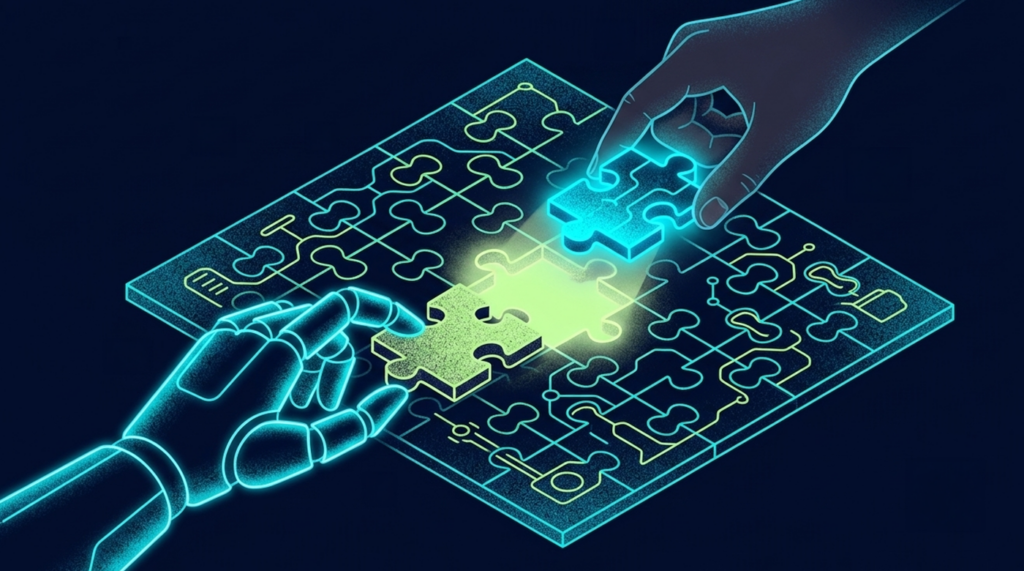
Il divario tra ciò che l'IA promette in una presentazione al consiglio di amministrazione e ciò che offre all'interno di un ambiente istituzionale complesso è ancora significativo, e fingere il contrario danneggia la professione.
L'IA ha chiaramente fornito risultati inferiori alle aspettative, per noi, soprattutto nell'intelligenza di integrazione tra sistemi. Ci aspettavamo ragionevolmente, sulla base di ciò che la tecnologia aveva dimostrato in ambienti controllati, che l'IA potesse fungere da livello di orchestrazione intelligente tra le nostre piattaforme aziendali, comprendendo le relazioni tra i sistemi, identificando i problemi di integrazione prima che si propagassero e raccomandando azioni correttive in tempo reale.
Abbiamo scoperto che l'IA opera in modo straordinariamente efficace all'interno di ambiti ben definiti e ben documentati, e in modo straordinariamente inefficace ai confini disordinati, scarsamente documentati e politicamente complessi tra i sistemi aziendali delle grandi istituzioni. Nessun documento contiene le conoscenze necessarie per attraversare questi confini. Tali conoscenze risiedono nelle persone, nelle relazioni e nella memoria istituzionale accumulata nel corso degli anni. L'IA non aveva accesso a tali conoscenze né un modo affidabile per acquisirle al ritmo di cui avevamo bisogno.
L'IA ha inoltre fornito risultati inferiori alle aspettative nelle interfacce in linguaggio naturale per gli utenti non tecnici. La teoria era convincente: fornire al personale operativo e ai dirigenti senior un'interfaccia conversazionale ai dati aziendali, eliminando la dipendenza da intermediari tecnici per ogni interrogazione e report. In pratica, il divario tra il modo in cui gli utenti non tecnici esprimono naturalmente le proprie intenzioni e il modo in cui i sistemi di IA interpretano tali intenzioni in modo affidabile si è rivelato molto più ampio del previsto. Gli utenti si sono frustrati quando i risultati non corrispondevano alle aspettative, e la frustrazione in una grande istituzione non genera cicli di feedback. Genera abbandono. Ci siamo ritrovati con una funzionalità che funzionava bene per gli utenti tecnicamente preparati e male per la popolazione più ampia a cui era destinata, esattamente l'opposto di ciò che richiede la trasformazione.
La terza area è il ragionamento sui documenti strategici. Ci aspettavamo che l'IA lavorasse in modo significativo con i documenti di policy e strategia estesi, altamente contestualizzati e spesso ambigui che costituiscono la spina dorsale del processo decisionale nelle grandi istituzioni governative. Abbiamo scoperto che l'IA è in grado di riassumere questi documenti con competenza, ma fatica a ragionare trasversalmente su di essi, a identificare contraddizioni autentiche tra una policy redatta in una direzione e uno standard adottato in un'altra, a comprendere il peso politico di una determinata clausola o a riconoscere quando una raccomandazione tecnicamente corretta è istituzionalmente impossibile. Quel livello di giudizio, che rende i consigli strategici utili anziché semplicemente accurati, è rimasto ostinatamente umano.
Infine, voglio citare qualcosa che compare raramente nei casi di studio dei fornitori: l'IA non ha prodotto la velocità di apprendimento organizzativo che avevamo previsto. Avevamo ipotizzato che, con l'adozione degli strumenti di IA da parte dell'organizzazione, questa avrebbe sviluppato più rapidamente un'intelligenza collettiva e che le intuizioni emerse grazie all'IA in un programma si sarebbero naturalmente propagate, migliorando il processo decisionale negli altri programmi. Invece, le intuizioni dell'IA sono rimaste confinate nei team che le avevano generate, perché le strutture organizzative, i meccanismi di condivisione delle conoscenze e le norme culturali relative alla documentazione e alla trasparenza non si erano evoluti per acquisire e distribuire ciò che l'IA stava producendo. La tecnologia ha generato più segnali di quanti l'organizzazione sapesse assorbire.
Condivido tutto questo non come una critica al potenziale dell'IA, che ritengo rimanga enorme, ma come promemoria del fatto che ogni lacuna che ho appena descritto è un problema dei sistemi umani che indossa un costume tecnologico.
Un flusso di lavoro basato sull'IA per ottimizzare le valutazioni dei programmi strategici
L’IA non prende alcuna decisione singola; elabora, sintetizza e porta in evidenza. Ogni giudizio, ogni convalida, ogni raccomandazione rimane umano.
Vi illustrerò un flusso di lavoro che rappresenta uno degli strumenti più preziosi nella mia pratica attuale: la valutazione dei programmi strategici potenziata dall'IA. Lo descriverò dall'inizio alla fine, perché il suo valore non risiede in un singolo passaggio, ma nel modo in cui i passaggi si collegano tra loro.
Questo flusso di lavoro si attiva in genere quando un programma raggiunge un punto decisionale critico. Nel nostro contesto, potrebbe trattarsi di una migrazione importante di una piattaforma aziendale, dell'implementazione di un sistema sanitario digitale in una rete di ospedali militari o di una revisione dell'architettura aziendale legata alla riprogettazione di un Modello Operativo Target. Si tratta di programmi in cui la decisione comporta conseguenze pluriennali e gli input sono numerosi, eterogenei e politicamente sensibili.
Il flusso di lavoro inizia con l'aggregazione strutturata degli input. Prima che l'IA intervenga nell'analisi, il mio team cura deliberatamente gli input: raccoglie la documentazione del programma, le proposte dei fornitori, le presentazioni delle architetture tecniche, i risultati delle revisioni precedenti, i quadri normativi pertinenti e i documenti sulle posizioni degli stakeholder, organizzandoli in un corpus strutturato. Questo passaggio è interamente umano e interamente intenzionale. La qualità dell'output prodotto dall'IA nelle fasi successive è direttamente proporzionale alla qualità e alla struttura degli input iniziali. Abbiamo imparato questa lezione nel modo più difficile durante le prime implementazioni e ora consideriamo la governance degli input una disciplina inderogabile.
Successivamente, eseguiamo una sintesi assistita dall'IA. Facciamo passare il corpus curato attraverso un modello linguistico con un'architettura dei prompt progettata con attenzione, che pone domande analitiche specifiche, non richieste di sintesi a risposta aperta. Non chiediamo al modello di dirci cosa affermano i documenti. Gli chiediamo invece di identificare le contraddizioni tra gli obiettivi dichiarati e le architetture proposte, portare alla luce le ipotesi dichiarate ma non dimostrate, segnalare le dipendenze che compaiono in un documento ma sono assenti in un altro ed evidenziare i modelli di rischio che corrispondono a profili già risultati fallimentari in programmi precedenti. L'output è un documento analitico strutturato, non un riassunto.
Il terzo passaggio, e quello più umano, è la revisione critica e la ricontestualizzazione. Un consulente senior — nella maggior parte dei casi, io o un responsabile tecnico di fiducia — legge il documento prodotto dall'IA non come una conclusione, ma come punto di partenza per un'indagine approfondita. Ci chiediamo: che cosa ha portato alla luce il modello che non avevamo articolato consapevolmente? Che cosa ha trascurato e che noi conosciamo grazie all'esperienza istituzionale? In quali punti è tecnicamente corretto ma istituzionalmente ingenuo? Qui, diciannove anni di attività all'interno di questo contesto aggiungono un valore che nessun modello può replicare. Il documento dell'IA rende le domande più incisive. Il giudizio umano fornisce le risposte.
Il quarto passaggio riguarda la preparazione della decisione. Utilizziamo gli insight convalidati dalla revisione umana per costruire il pacchetto decisionale per i dirigenti: inquadrare la decisione, delineare le opzioni con i loro autentici compromessi, dettagliare i rischi con probabilità e impatto realistici e presentare la raccomandazione con le relative ipotesi esplicite. Poiché la sintesi dell'IA gestisce il lavoro meccanico di elaborazione del corpus, questo passaggio è più rapido e completo di quanto sarebbe possibile con un processo interamente manuale. I leader arrivano al punto decisionale con un quadro più chiaro e domande più mirate.
Il quinto passaggio è la raccolta dei risultati, ed è qui che la maggior parte delle organizzazioni fallisce. Dopo che la decisione e il programma procedono, documentiamo non solo ciò che è stato deciso, ma anche ciò che l'analisi dell'IA ha evidenziato e che si è rivelato accurato, ciò che ha tralasciato e quali ipotesi si sono rivelate errate. Questo feedback non finisce in una cartella; viene invece reinserito nella nostra architettura dei prompt e negli standard di governance degli input per il programma successivo. Il flusso di lavoro migliora a ogni iterazione perché trattiamo ogni esecuzione come un'occasione di apprendimento.
Questo flusso di lavoro ha avuto un impatto significativo e misurabile. Ha ridotto di circa il 65% il tempo necessario per i cicli di valutazione delle revisioni dei programmi principali. Ha migliorato la profondità dell'identificazione dei rischi, facendo emergere i problemi prima nel processo decisionale anziché scoprirli durante l'esecuzione. E, cosa forse ancora più importante, ha elevato la qualità della conversazione tra dirigenti nei punti decisionali, perché i leader dedicano il loro tempo a decisioni che richiedono un autentico giudizio anziché a ricostruire lo stato del programma a partire da informazioni grezze.
Desidero sottolineare la filosofia alla base della progettazione di questo flusso di lavoro. L'IA non prende alcuna decisione autonomamente; elabora, sintetizza e porta gli elementi rilevanti in superficie. Ogni giudizio, ogni convalida e ogni raccomandazione restano di competenza umana.
Come evitare le insidie nell'adozione dell'IA
Abdulrhman condivide
Ho imparato che, in un territorio veramente inesplorato, l’onestà intellettuale riguardo all’incertezza non è una debolezza della leadership. È un prerequisito per costruire la fiducia che sostiene i team attraverso gli inevitabili momenti in cui il percorso si dimostra più difficile di quanto il piano avesse previsto.
Il sistema immunitario organizzativo è reale, potente e si attiva più rapidamente di quanto qualsiasi strumento di IA possa essere implementato. Ogni grande istituzione ha sviluppato, nel corso di anni e decenni, meccanismi informali che resistono ai cambiamenti capaci di minacciare le strutture di potere esistenti, i flussi di lavoro consolidati e le identità professionali. Lo comprendevo a livello intellettuale prima di iniziare, ma ho sottovalutato quanto precisamente e rapidamente questi meccanismi si sarebbero attivati in risposta all'IA.
Quando le persone hanno percepito che gli strumenti di IA stavano cambiando non solo il modo in cui veniva svolto il lavoro, ma anche chi aveva valore nell'organizzazione, la resistenza non si è manifestata come opposizione, bensì come conformità senza adozione. I team accedevano agli strumenti, ma non li utilizzavano. Ricevevano gli output, ma non agivano di conseguenza. I processi venivano nominalmente aggiornati, ma dal punto di vista comportamentale restavano invariati. La resistenza passiva in una grande istituzione è quasi invisibile finché non si misurano i risultati. Quando la misurazione rivela il problema, sono già andati persi mesi di slancio.
A questo proposito, avrei voluto sapere quanto l'inquadramento scelto per l'implementazione avrebbe plasmato permanentemente la sua ricezione. Nelle nostre prime implementazioni, abbiamo commesso un errore di comunicazione che considero uno degli errori più significativi dell'iniziativa. Per ottenere il sostegno dei dirigenti e giustificare l'investimento, abbiamo presentato gli strumenti di IA usando il linguaggio dell'efficienza: più rapidi, più snelli, più produttivi.
Quell'inquadramento era accurato in senso tecnico e ristretto, ma profondamente controproducente sotto ogni aspetto umano. Quando le persone sentono parlare di efficienza nel contesto dell'introduzione di un nuovo strumento nel loro team, pensano alla riduzione del personale. Pensano che il loro ruolo venga valutato in termini di possibile ridondanza. Si rapportano allo strumento non come a qualcosa che renderà migliore il loro lavoro, ma come a qualcosa che potrebbe rendere superflua la loro posizione. L'atteggiamento difensivo creato da quell'inquadramento ha richiesto mesi per essere smantellato e, in alcune parti dell'organizzazione, non si è mai dissolto completamente.
E, sul piano personale, ora so che avrei dovuto essere più trasparente con i miei team riguardo alla mia stessa incertezza. Ho intrapreso questo percorso con maggiore fiducia nella direzione da seguire che nella mia conoscenza operativa di come l'IA si sarebbe comportata nel nostro specifico contesto istituzionale. Sapevo che la destinazione era quella giusta. Non conoscevo pienamente il percorso. Nel tentativo di trasmettere la sicurezza nella leadership che i grandi programmi richiedono, a volte ho comunicato una certezza che non possedevo, creando aspettative che la realtà ha poi complicato. Ho imparato che, in un territorio veramente inesplorato, l'onestà intellettuale riguardo all'incertezza non è una debolezza della leadership. È un prerequisito per costruire la fiducia che sostiene i team attraverso gli inevitabili momenti in cui il percorso si dimostra più difficile di quanto il piano avesse previsto.
Perché l'IA richiede un nuovo tipo di leader tecnologico
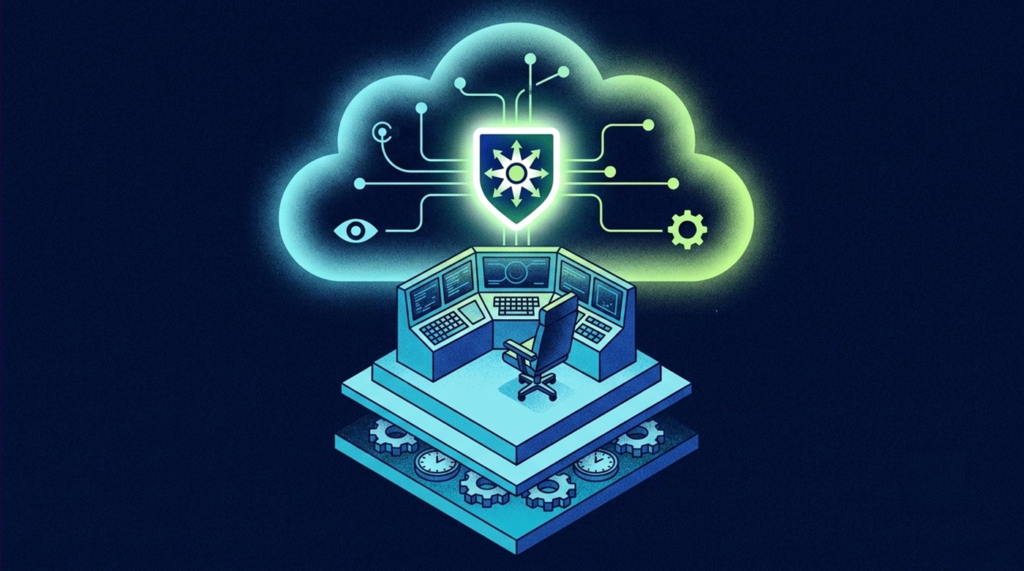
L’era dell’IA svaluta sistematicamente un particolare profilo di leader tecnologico: l’esperto che ha accumulato una profonda conoscenza tecnica attraverso anni di studio e pratica disciplinati, ha costruito la propria autorevolezza attraverso la padronanza e ha guidato essendo la persona più competente nella stanza. Questo profilo ha dominato la leadership tecnologica per decenni e ha prodotto risultati straordinari quando la conoscenza rappresentava il collo di bottiglia e la competenza costituiva il vantaggio competitivo. L’IA non elimina questo profilo da un giorno all’altro. Ma ne erode le fondamenta più rapidamente di quanto la maggior parte delle persone che ne fanno parte riconosca, e le istituzioni che dipendono da questo profilo senza svilupparne il successore accumulano un rischio di leadership che non hanno ancora registrato.
Il profilo richiesto dall’era dell’IA è fondamentalmente diverso. L’era dell’IA richiede leader che derivino la propria autorevolezza non da ciò che sanno, ma dalla qualità delle loro domande. Leader il cui principale contributo intellettuale non sia la sintesi (perché l’IA è in grado di sintetizzare), ma il giudizio. Leader competenti nelle dinamiche organizzative, nella psicologia umana e nel potere istituzionale, oltre che nella tecnologia. Leader che mantengano una genuina umiltà intellettuale di fronte a uno strumento che proietta costantemente sicurezza, e che abbiano sviluppato la stabilità interiore necessaria per dire «non lo so» e «devo rifletterci» in ambienti che premiano la risolutezza più di quasi ogni altra cosa.
E forse, cosa ancora più importante, l’era dell’IA richiede leader che rispondano in modo chiaro e approfondito a una domanda che le generazioni precedenti di leader tecnologici raramente hanno dovuto porsi: quale valore umano sto aggiungendo che l’IA non può replicare, e sto investendo in quel valore con la stessa disciplina che applico al mio sviluppo tecnico?
Mi pongo regolarmente questa domanda. Non è una domanda confortevole. Richiede un’autovalutazione onesta su quali parti della mia identità professionale siano genuinamente insostituibili e quali invece protegga per abitudine piuttosto che per necessità. Credo che questo processo di autoesame onesto sia la pratica fondamentale della leadership nell’era dell’IA. Non l’ingegneria dei prompt, non la valutazione dei modelli, non i framework di governance dell’IA — per quanto siano importanti. È la disponibilità a guardare con chiarezza a ciò che offriamo e che un modello non può offrire, e a investire deliberatamente e senza sosta esattamente in quello.
L’era dell’IA produce complessità a una velocità e su una scala senza precedenti storici nel settore tecnologico. I leader che la sapranno gestire bene non saranno quelli che adotteranno l’IA più rapidamente, la implementeranno con maggiore ambizione o ne parleranno con maggiore disinvoltura su palcoscenici come questo. Saranno quelli che svolgeranno il lavoro più difficile e discreto di sviluppare le qualità umane richieste dalla complessità: giudizio, umiltà, coraggio, saggezza istituzionale e quella chiarezza di intenti che consente loro di indirizzare strumenti potenti verso fini meritevoli.
Credo che la comunità dei leader tecnologici debba affrontare questa conversazione con un’urgenza molto maggiore di quella attuale. Ed è il motivo per cui ho accettato questa intervista: non per parlare di ciò che l’IA può fare, ma per riflettere attentamente, pubblicamente, su ciò che noi leader dobbiamo diventare per essere degni di guidarla.
Cinque consigli per i CTO
Voglio dare consigli utili, invece di consigli che suonano bene su un palco durante una conferenza: primo, resistete alla pressione di avere una strategia per l’IA. Secondo, considerate l’adozione come la principale sfida ingegneristica, non l’integrazione. Terzo, proteggete strenuamente il vostro livello di giudizio. Quarto, prestate seria attenzione agli ecosistemi di IA sovrana…Quinto e ultimo, investite nel vostro giudizio come leader con la stessa disciplina con cui investite nelle capacità tecniche della vostra organizzazione.
Voglio dare consigli utili, invece di consigli che suonano bene su un palco durante una conferenza, quindi lasciatemi condividere ciò che ritengo sulla base di diciannove anni trascorsi a guidare la trasformazione all’interno di uno degli ambienti istituzionali più complessi che si possano immaginare.
Primo, resistete alla pressione di avere una strategia per l’IA. La vostra organizzazione ha bisogno di una strategia aziendale al servizio della quale operi l’IA. Ho visto troppi leader tecnologici spendere enormi energie per produrre roadmap sull’IA, creare centri di eccellenza per l’IA e annunciare iniziative sull’IA, lasciando però senza risposta la domanda fondamentale: quale problema stanno risolvendo per l’istituzione? L’IA priva di chiarezza strategica non è trasformazione; è attività sofisticata che si traveste da progresso. Partite dal risultato che siete responsabili di conseguire e procedete a ritroso per individuare dove l’IA crea la maggiore leva. Questa sequenza è estremamente importante.
Secondo, considerate l’adozione come la principale sfida ingegneristica, non l’integrazione. Il problema più difficile nell’implementazione dell’IA non è collegare il modello ai vostri sistemi; è cambiare il modo in cui le vostre persone pensano, decidono e lavorano in presenza dell’assistenza dell’IA. Nella mia esperienza, le organizzazioni investono troppo poco in questo aspetto, e lo fanno di un ordine di grandezza. Destinano l’80 percento del budget alla tecnologia e il 20 percento alle persone e al cambiamento dei processi, mentre il rapporto che produce risultati è più vicino all’opposto. Se la vostra iniziativa di IA non include una componente seria di gestione del cambiamento e sviluppo delle capacità, state costruendo sulla sabbia, indipendentemente da quanto sia sofisticata la vostra architettura.
Terzo, proteggete strenuamente il vostro livello di giudizio. Con l'aumentare delle capacità dell'IA e della sua crescente integrazione nei flussi di lavoro, emergerà una pressione costante, sottile e non così sottile, per estenderne l'autorità: per consentirle non solo di informare le decisioni, ma di prenderle, non solo di segnalare i rischi, ma di risolverli, non solo di redigere raccomandazioni, ma di approvarle. Resistete. Non perché l'IA non possa essere tecnicamente in grado di fare queste cose in determinati ambiti, ma perché nel momento in cui la vostra organizzazione perde l'abitudine al giudizio umano, perde qualcosa di straordinariamente difficile da ricostruire. Il giudizio è un muscolo. Le organizzazioni che smettono di esercitarlo non rimangono statiche: si atrofizzano. In un ambiente ad alta criticità, questa atrofia vi costerà nel momento peggiore possibile.
Quarto, prestate seria attenzione agli ecosistemi di IA sovrana, in particolare se operate nel settore pubblico, della difesa o delle infrastrutture nazionali critiche, oppure in ambiti a essi adiacenti. Mettete in discussione l'assunto secondo cui le piattaforme globali iperscalabili continueranno a essere l'architettura predefinita per l'IA aziendale. In Arabia Saudita, stiamo assistendo all'emergere di infrastrutture di IA realmente sovrane attraverso piattaforme come HUMAIN ONE. Queste piattaforme sono basate su modelli linguistici nativi in arabo, ospitate su infrastrutture nazionali di calcolo e progettate specificamente per la complessità della governance delle grandi istituzioni. Per i CTO che operano in ambienti regolamentati o sensibili sotto il profilo della sicurezza, la questione di dove venga eseguita la vostra IA, su quale infrastruttura, sotto quale giurisdizione e addestrata con quali dati, non è una casella da spuntare ai fini della conformità normativa; è una decisione architetturale fondamentale che definirà l'impostazione della vostra organizzazione in materia di IA per il prossimo decennio.
Quinto e ultimo punto, investite nel vostro giudizio di leader con la stessa disciplina con cui investite nelle capacità tecniche della vostra organizzazione. Questo è il consiglio che considero più importante e meno discusso negli ambienti tecnologici. I CTO che gestiscono bene questo momento non comprendono necessariamente l'IA in modo più approfondito dal punto di vista tecnico. Combinano competenza tecnica con saggezza istituzionale, chiarezza strategica e il coraggio morale di prendere decisioni giuste per le proprie organizzazioni anche quando, nel breve termine, sono impopolari. L'IA continuerà a progredire indipendentemente da ciò che ciascuno di noi farà. La variabile è la qualità della leadership umana che la dirige.
Non siamo in una gara per adottare l'IA più rapidamente; siamo in una gara per adottarla nel modo più saggio. Nella mia esperienza, la saggezza non è mai stata una funzionalità che si possa installare.
Seguite gli aggiornamenti
Potete seguire il lavoro di Abdulrhman AlOdhayb su LinkedIn.
Su The CTO Club seguiranno altre interviste con esperti.