

Recensione di Flutter: Pro, Contro, Funzionalità e Prezzi
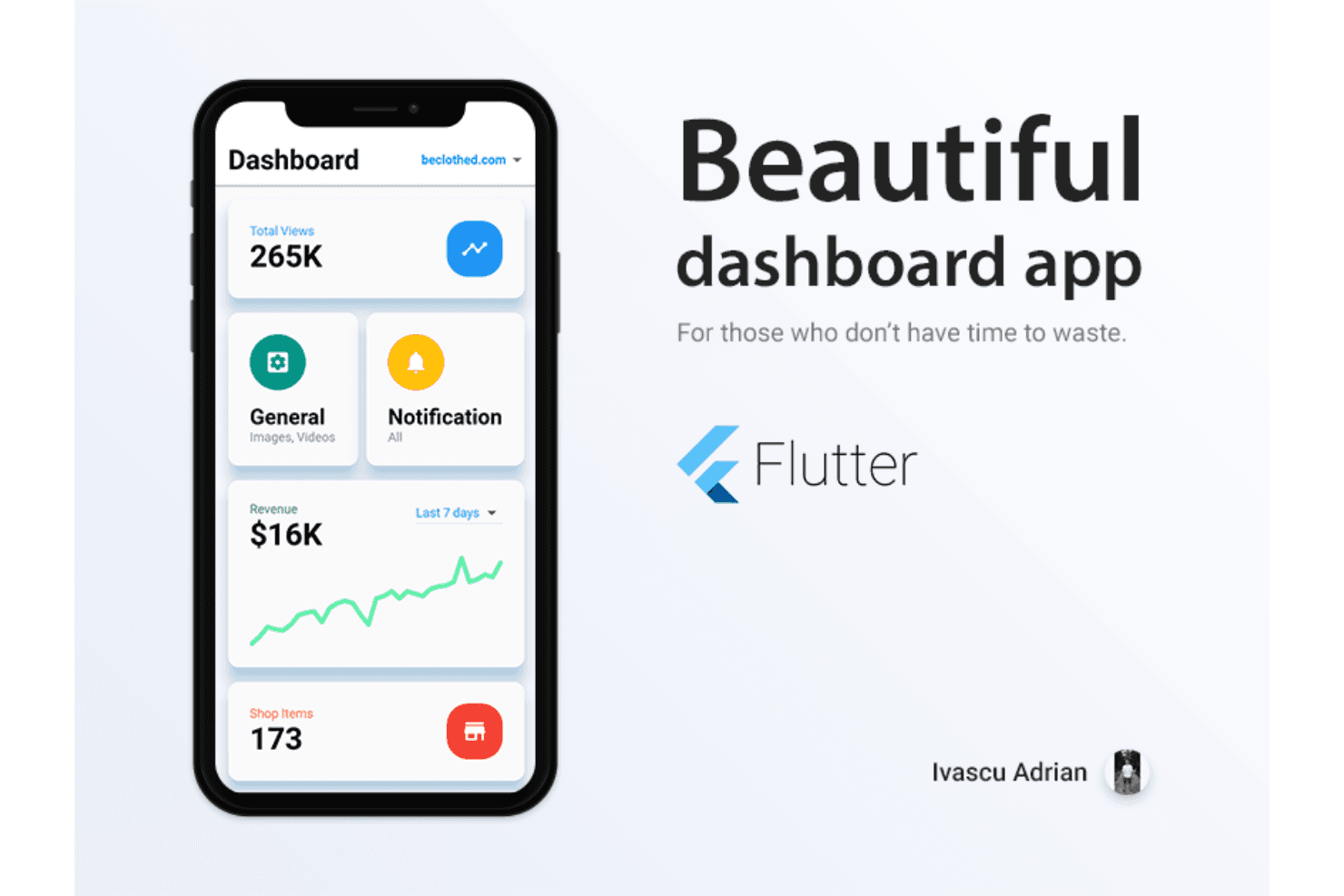
Flutter si distingue per le sue capacità multipiattaforma, consentendo al tuo team di sviluppare app visivamente accattivanti con una singola base di codice.

Recensiamo gli strumenti in modo indipendente e le commissioni ci aiutano a finanziare i nostri test. Consulta la nostra politica sulla trasparenza, la nostra metodologia, oppure suggerisci uno strumento.
Flutter is a software development tool from Google that lets you build natively compiled apps for mobile, web, and desktop from a single Dart codebase. I'd consider it if your team needs to ship cross-platform apps without maintaining separate native codebases for each platform. Compared to a similar tool like React Native, Flutter gives you more consistent UI rendering across platforms because it uses its own rendering engine rather than relying on native components—which means fewer platform-specific visual inconsistencies to track down.
Flutter Evaluation Summary
0/5
- Free to use
- Free plan available
Perché fidarsi dei nostri consigli sui software
6,700+
Reviews
20
Industry experts
16+
Evaluation factors
14
Years
Il nostro team testa e recensisce software dal 2012. In quanto leader tecnologici noi stessi, sappiamo quanto sia difficile — e importante — scegliere il software giusto.
Per questa guida, abbiamo valutato gli strumenti attraverso test praticie ricerche indipendenti, assegnando un punteggio agli strumenti in base ai nostri criteri di selezione.
Le nostre recensioni riflettono il nostro giudizio editoriale umano, non un discorso di vendita.
Revisori esperti:
- Paulo Gardini MiguelDirettore tecnico
 Tim FisherVP dell'IA
 Gabriel RosasTech Lead e architetto software
 Christhian GruhnTech Lead e architetto della piattaforma

Flutter Overview
In my opinion, Flutter excels as a software development toolkit for its cross-platform capabilities and visual appeal within the modern app development ecosystem. It offers a unified development experience that can save your team time and resources. While its onboarding could be smoother, especially if you are not well-versed in Dart or coming from Java, Kotlin, or Swift backgrounds, the strong community support and extensive documentation help mitigate this downside. Flutter is ideal for startups and tech companies looking to build visually consistent apps across platforms and operating system requirements. In Flutter vs alternate solutions, such as React Native, it shines in performance but might lack some advanced native functionalities. If you're evaluating software for mobile or web app development, Flutter's balance of features and cost-effectiveness makes it a compelling choice.
Pros
- You can build apps for multiple platforms with a single codebase.
- Your team can create visually appealing apps with a unified UI framework.
- It offers a fast development process, saving you time and resources.
Cons
- Your team might face challenges if you need advanced native functionalities.
- It requires more effort for smooth onboarding compared to some other tools.
- The app size can be larger than apps built with other frameworks.
Is Flutter Right For Your Needs?
Who Would be a Good Fit for Flutter?
Flutter is a great fit for startups and tech companies that need to develop cross-platform apps quickly. If your team values visual consistency and a unified UI, Flutter's single codebase can be a game-changer. It's particularly useful for mobile development teams in industries such as fintech and e-commerce, where building visually appealing apps is crucial. Flutter's fast development process can save your team time and resources, making it ideal for businesses looking to launch apps across multiple platforms without compromising on quality.
- StartupsFlutter allows your startup to build and launch apps quickly with a single codebase, which saves you time and resources.
- E-commerceYour team can create visually appealing and consistent shopping apps across platforms using Material Design principles to enhance the customer experience.
- FintechFlutter's ability to deliver visually rich apps makes it ideal for financial services teams that need a polished interface.
- Small BusinessesIf your small business wants to develop an app without a large budget, Flutter’s cost-effectiveness is a major plus.
- Mobile App TeamsYour mobile app team can benefit from Flutter's fast development process, ensuring quicker time-to-market.
- Tech CompaniesTech companies looking to build cross-platform apps efficiently will find Flutter's unified UI framework advantageous.
Who Would be a Bad Fit for Flutter?
Flutter might not be the best choice for enterprises needing highly specialized native functionalities, such as those written in Objective-C or other platform-specific languages. If your team relies heavily on native features or requires the smallest possible app size, Flutter's limitations could be a hurdle. It's also not ideal for teams unfamiliar with Dart, especially those transitioning from JavaScript-centric workflows, as the learning curve could slow down development. If your work involves developing apps with specific hardware integrations, you might face challenges with Flutter's current offerings.
- Enterprise ApplicationsYour enterprise might struggle with Flutter if you need highly specialized native functionalities.
- Hardware-Intensive AppsDeveloping apps that rely on specific hardware integrations can be challenging with Flutter.
- Native Feature DependenceIf your team needs deep native integrations, Flutter might not meet your demands.
- Dart NewcomersIf your team is unfamiliar with Dart, the learning curve can slow development.
- Resource-Constrained TeamsTeams with limited resources might find Flutter's larger app size a drawback.
La Nostra Metodologia di Recensione
Come Testiamo e Valutiamo gli Strumenti
Abbiamo trascorso anni a costruire, perfezionare e migliorare il nostro sistema di testing e valutazione del software. Il nostro schema è progettato per cogliere le sfumature della selezione software e cosa rende efficace uno strumento, focalizzandosi sugli aspetti critici del processo decisionale.
Di seguito, puoi vedere esattamente come funziona il nostro testing e punteggio su sette criteri. Ci permette di offrire una valutazione imparziale del software basata su funzionalità principali, caratteristiche distintive, facilità d’uso, onboarding, assistenza clienti, integrazioni, recensioni dei clienti e rapporto qualità-prezzo.
Funzionalità Principali (25% del punteggio finale)
Il punto di partenza della nostra valutazione è sempre la funzionalità principale dello strumento. Ha le funzioni e caratteristiche base che ci si aspetta? Alcune di queste caratteristiche sono limitate ai piani tariffari superiori? Fondamentalmente, ci aspettiamo che uno strumento regga il confronto rispetto alle capacità di base dei concorrenti.
Caratteristiche Distintive (25% del punteggio finale)
Successivamente, valutiamo le caratteristiche distintive e non comuni che vanno oltre la funzionalità base tipicamente trovata negli strumenti di questa categoria. Un punteggio alto riflette funzionalità specializzate o uniche che rendono il prodotto più veloce, efficiente o offrono ulteriore valore all’utente.
Valutiamo inoltre quanto sia semplice integrare altri strumenti tipicamente utilizzati nell’infrastruttura tecnologica per espandere la funzionalità e l’utilità del software. Gli strumenti che offrono numerose integrazioni native, connessioni di terze parti e accesso API per creare integrazioni personalizzate ottengono i punteggi migliori.
Facilità d’Uso (10% del punteggio finale)
Consideriamo quanto sia rapido e semplice svolgere i compiti definiti nella funzionalità principale utilizzando lo strumento. Il software con punteggio alto è ben progettato, intuitivo da usare, offre app mobili, fornisce modelli e rende semplici attività relativamente complesse.
Onboarding (10% del punteggio finale)
Sappiamo quanto sia importante l’adozione rapida da parte del team per una nuova piattaforma, quindi valutiamo quanto sia facile imparare e utilizzare uno strumento con formazione minima. Valutiamo quanto velocemente un membro del team possa iniziare a usare lo strumento anche senza esperienza. Soluzioni con punteggio alto indicano che sono richiesti pochi o nessun supporto.
Assistenza Clienti (10% del punteggio finale)
Esaminiamo quanto sia veloce e facile ricevere assistenza e risolvere problemi tramite telefono, live chat o knowledge base. Gli strumenti e le aziende che garantiscono supporto in tempo reale ottengono il miglior punteggio, mentre i chatbot ottengono il peggiore.
Recensioni dei Clienti (10% del punteggio finale)
Oltre ai nostri test e valutazioni, prendiamo in considerazione il net promoter score dei clienti attuali e passati. Valutiamo la probabilità che, data la scelta, selezionerebbero nuovamente lo strumento per la funzionalità principale. Un software con punteggio alto riflette un alto net promoter score da parte dei clienti attuali o passati.
Rapporto Qualità-Prezzo (10% del punteggio finale)
Infine, considerando tutti gli altri criteri, analizziamo il prezzo medio dei piani base rispetto alle funzionalità principali e consideriamo il valore degli altri criteri di valutazione. Il software che offre di più a meno otterrà un punteggio più alto.
Core Features
Single Codebase: You can build apps for multiple platforms using just one codebase, allowing your team to save time and resources.
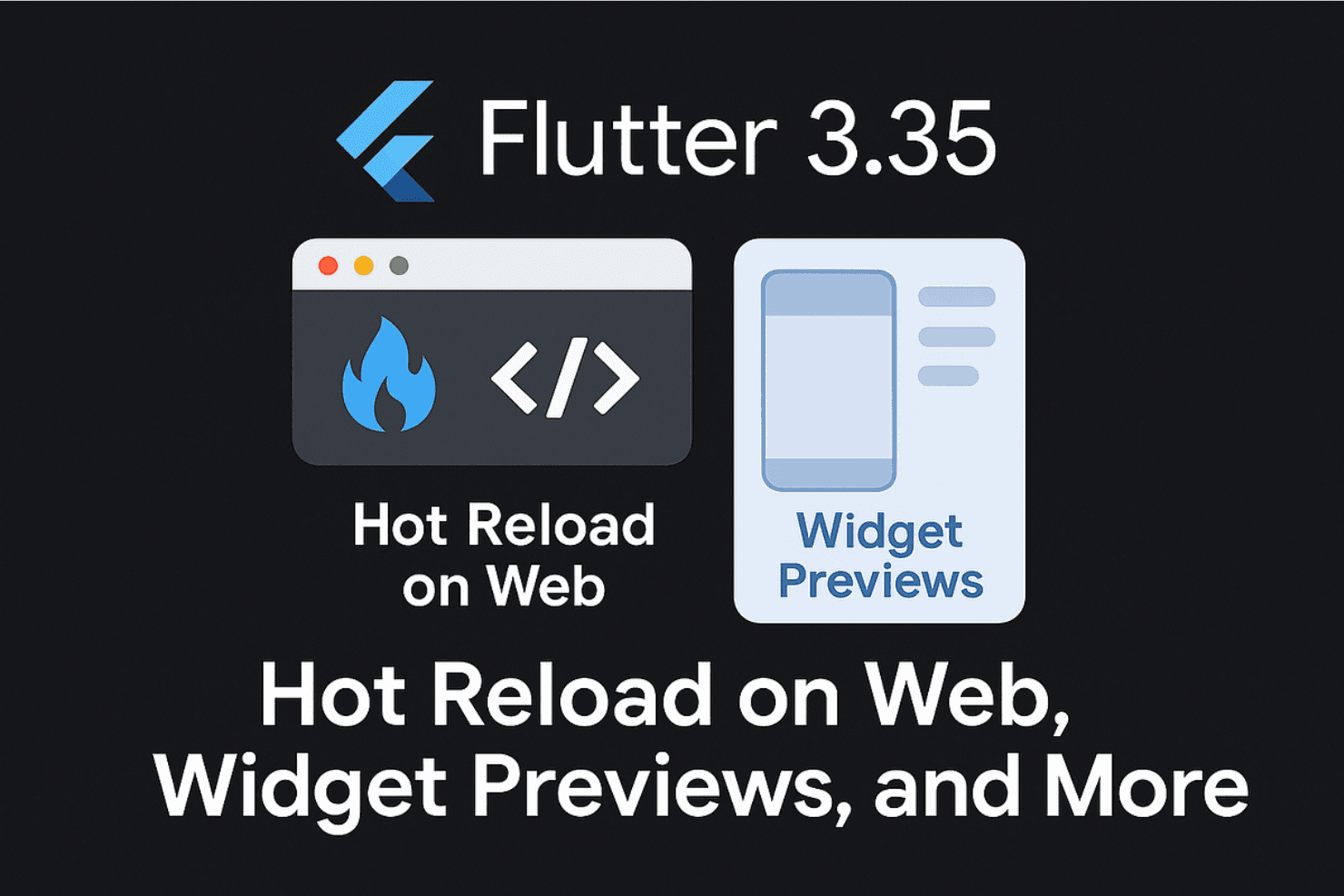
Hot Reload: Flutter lets you see changes in real-time as you code, which speeds up your development process and simplifies debugging during compilation.
Widget Library: It's easy to access a wide range of customizable Flutter widgets so you can create visually appealing apps that suit your brand's style.
Fast Development: You can utilize Flutter's efficient cross-platform frameworks to quickly develop and test your apps, reducing time to market.
Unified UI Framework: You can create consistent and visually appealing user interfaces across iOS, macOS, and Android app development platforms with Flutter's UI tools.
Open Source: A large community and extensive documentation offers support for your team in overcoming challenges and sharing solutions.

Ease of Use
Flutter stands out for its user-friendly interface and efficient development process. Your team will appreciate the hot reload feature, which lets you see changes instantly, making debugging straightforward. While the Dart language might be new to some, its clear syntax helps ease the learning curve. Compared to other tools, Flutter provides a smoother experience with its comprehensive widget library, allowing you to build visually consistent apps with less hassle. Overall, Flutter app development is simple and straightforward, making it accessible even for smaller teams.
Integrations
Flutter integrates with Firebase, Google Maps, AWS Amplify, Razorpay, and Algolia.
It also has an API that allows for connecting with third-party integration tools.
Flutter Specs
- API: Yes
- Bug Tracking: Yes
- CI/CD Integration: Yes
- Cloud Deployment: Yes
- Code Review: Yes
- Code Transformation: Yes
- Collaboration Support: Yes
- Data Export: Yes
- Data Import: Yes
- Developer Tools: Yes
- External Integrations: Yes
- Git Integration: Yes
- History/Version Control: Yes
- IDE Plugins: Yes
- Local Deployment: Yes
- Multi-User: Yes
- Notifications: Yes
- Project Management: Yes
- Release Management: Yes
- Static Analysis: Yes
- Task Scheduling/Tracking: Yes
- Testing: Yes


