

SonarQube Testbericht: Vorteile, Nachteile, Funktionen und Preisgestaltung erklärt
SonarQube überzeugt durch tiefgehende Einblicke in die Codequalität und flexible Integration und eignet sich besonders für Teams, die auf Wartbarkeit setzen – allerdings könnte die Einrichtung kleinere Projekte vor Herausforderungen stellen.

Wir bewerten Tools unabhängig; Provisionen helfen, unsere Tests zu finanzieren. Siehe unsere Transparenzrichtlinie und unsere Methodik.
SonarQube is an automated code review tool that runs static analysis on your codebase to catch bugs, vulnerabilities, and code smells. It's worth considering if your team needs code quality checks embedded directly in your CI/CD pipeline. I'd pick SonarQube over Checkmarx if you need quality gates that developers can act on immediately. Checkmarx skews more toward enterprise security auditing that sits outside the daily coding workflow.
SonarQube Evaluation Summary
4.4/5
- From $34/month
- Free plan + 14-day free trial + free demo available
Warum Sie unseren Software-Empfehlungen vertrauen können
6,700+
Reviews
20
Industry experts
16+
Evaluation factors
14
Years
Unser Team testet und bewertet Software seit 2012. Als Tech-Führungskräfte wissen wir selbst, wie schwierig – und wichtig – es ist, die richtige Software auszuwählen.
Für diesen Leitfaden haben wir Tools mithilfe von praktischen Tests und unabhängiger Recherche bewertet und dabei unsere Bewertungskriterien angewendet.
Unsere Bewertungen spiegeln unser menschliches redaktionelles Urteilsvermögen wider, keine Verkaufsstrategie.
Expertenprüfer:
- Paulo Gardini MiguelTech-Direktor
 Tim FisherVP für KI
 Gabriel RosasTech Lead & Software-Architekt
 Christhian GruhnTech Lead & Plattform-Architekt

SonarQube Overview
If you're judging automated code review tools by depth of analysis and integration options, SonarQube is a top contender. Its interface is straightforward, and onboarding is smooth for teams familiar with CI/CD. I think SonarQube's pricing is fair for the level of insight you get, especially with its customizable rules and strong language support. While support can feel limited for open-source users, the documentation is thorough. SonarQube outperforms others in maintainability tracking but can underperform for teams needing out-of-the-box cloud hosting. I'd suggest it's best for mid-sized to large teams focused on long-term code health.
Pros
- Detects security vulnerabilities and code smells in real-time
- Supports over 35 programming languages and IaC tools
- Offers customizable quality gates and rule profiles
Cons
- Initial setup and configuration can be complex
- Some false positives in static analysis results
- Limited support for open-source and free users
Is SonarQube Right For Your Needs?
Who Would be a Good Fit for SonarQube?
SonarQube is a strong choice for organizations that need deep code quality analysis, customizable rules, and support for multiple languages. Teams with established CI/CD pipelines, security requirements, or regulatory standards will get the most value. SonarQube's reporting and maintainability tracking make it especially useful for larger teams and industries where code quality is a top priority.
- Enterprise Software TeamsSonarQube's scalable analysis and reporting fit large, distributed development teams.
- Financial ServicesIts security vulnerability detection helps meet strict compliance and audit needs.
- DevOps DepartmentsTight CI/CD integration supports automated quality checks in pipelines.
- Government ITCustomizable rules and audit trails support regulatory and policy requirements.
- Healthcare TechnologyDetailed code health metrics help maintain high standards for patient data systems.
- Managed Service ProvidersMulti-project dashboards and user management suit agencies handling many clients.
Who Would be a Bad Fit for SonarQube?
SonarQube may not be ideal for teams needing instant cloud deployment, lightweight tools, or those with limited technical resources. Smaller businesses or teams with minimal code review needs might find the setup and maintenance overhead unnecessary compared to simpler alternatives.
- Small StartupsSetup complexity and resource needs outweigh benefits for small teams.
- Freelance DevelopersSolo users may not need SonarQube's advanced analysis features.
- Marketing AgenciesNon-technical teams won't benefit from code quality tracking.
- Legacy System MaintainersLimited support for outdated languages can restrict usefulness.
- Nonprofit OrganizationsBudget constraints make SonarQube's paid tiers less accessible.
- Rapid Prototyping TeamsTeams focused on speed over code quality may find it slows workflows.
Unsere Bewertungsmethodik
Wie wir Werkzeuge testen & bewerten
Wir haben Jahre damit verbracht, unser System zur Softwareprüfung und -bewertung aufzubauen, zu verfeinern und zu verbessern. Das Bewertungsraster ist darauf ausgelegt, die Feinheiten der Softwareauswahl und Effektivität eines Tools einzufangen, wobei wir uns auf kritische Aspekte des Entscheidungsprozesses konzentrieren.
Nachfolgend sehen Sie genau, wie unser Test- und Bewertungssystem anhand von sieben Kriterien funktioniert. Es ermöglicht uns eine unparteiische Bewertung der Software basierend auf Grundfunktionalität, besonderen Funktionen, Benutzerfreundlichkeit, Onboarding, Kundensupport, Integrationen, Kundenbewertungen und Preis-Leistungs-Verhältnis.
Grundfunktionalität (25 % der Endbewertung)
Der Ausgangspunkt unserer Bewertung ist immer die Grundfunktionalität des Werkzeugs. Verfügt es über die grundlegenden Funktionen und Merkmale, die ein Benutzer erwarten würde? Sind grundlegende Funktionen auf höherpreisige Tarife beschränkt? Im Kern erwarten wir, dass ein Tool den Basisfähigkeiten seiner Konkurrenten standhält.
Besondere Features (25 % der Endbewertung)
Anschließend bewerten wir ungewöhnliche, herausragende Funktionen, die über die typische Grundfunktionalität von Tools dieser Art hinausgehen. Eine hohe Bewertung zeigt spezialisierte oder einzigartige Eigenschaften, die das Produkt schneller, effizienter oder für den Nutzer wertvoller machen.
Wir bewerten außerdem, wie einfach sich das Tool mit anderen üblichen Werkzeugen im Technologie-Stack integrieren lässt, um die Funktionalität und den Nutzen der Software zu erweitern. Tools mit vielen nativen Integrationen, Drittanbieter-Anbindungen und API-Zugang zur Erstellung kundenspezifischer Integrationen erhalten die besten Bewertungen.
Benutzerfreundlichkeit (10 % der Endbewertung)
Wir betrachten, wie schnell und einfach Aufgaben aus dem Bereich der Grundfunktionalität mit dem Tool erledigt werden können. Gut bewertete Software ist durchdacht gestaltet, intuitiv bedienbar, bietet mobile Apps, Vorlagen und lässt relativ komplexe Aufgaben einfach erscheinen.
Onboarding (10 % der Endbewertung)
Wir wissen, wie wichtig die schnelle Einführung eines neuen Tools für das Team ist, daher bewerten wir, wie leicht sich ein Werkzeug mit minimalem Training erlernen und nutzen lässt. Wir bewerten, wie schnell ein Teammitglied ohne Vorerfahrung anfangen kann. Hoch bewertete Lösungen benötigen wenig bis gar keine Unterstützung.
Kundensupport (10 % der Endbewertung)
Wir prüfen, wie schnell und einfach man bei Problemen Hilfe per Telefon, Live-Chat oder Wissensdatenbank erhält. Tools und Anbieter mit Echtzeit-Support werden besser bewertet, während Chatbots schlechter abschneiden.
Kundenbewertungen (10 % der Endbewertung)
Neben unserer eigenen Prüfung beziehen wir den Net Promoter Score aktueller und ehemaliger Kunden mit ein. Wir bewerten, wie wahrscheinlich es ist, dass sie sich erneut für das Werkzeug entscheiden würden. Hoch bewertete Software weist einen hohen Net Promoter Score auf.
Preis-Leistungs-Verhältnis (10 % der Endbewertung)
Abschließend vergleichen wir unter Berücksichtigung aller Kriterien den durchschnittlichen Preis der Einstiegspakete mit den Grundfunktionen und bewerten den Mehrwert aus den anderen Bewertungsbereichen. Software, die mehr fürs gleiche Geld bietet, schneidet besser ab.
Core Features
Static Code Analysis
Scans source code for bugs, vulnerabilities, and code smells before deployment. Delivers actionable feedback directly in your workflow.
Quality Gates
Applies customizable pass/fail criteria to code changes. Prevents merging code that doesn't meet your team's standards.
Multi-Language Support
Analyzes code in over 35 programming languages, including Java, C#, Python, and JavaScript. Supports mixed-language repositories in a single project.
Security Vulnerability Detection
Identifies security hotspots and vulnerabilities using industry standards like OWASP Top 10. Flags risky code patterns for remediation.
Custom Rule Configuration
Lets you tailor analysis rules to match your organization's policies. Enables teams to enforce specific coding standards.
Detailed Reporting and Dashboards
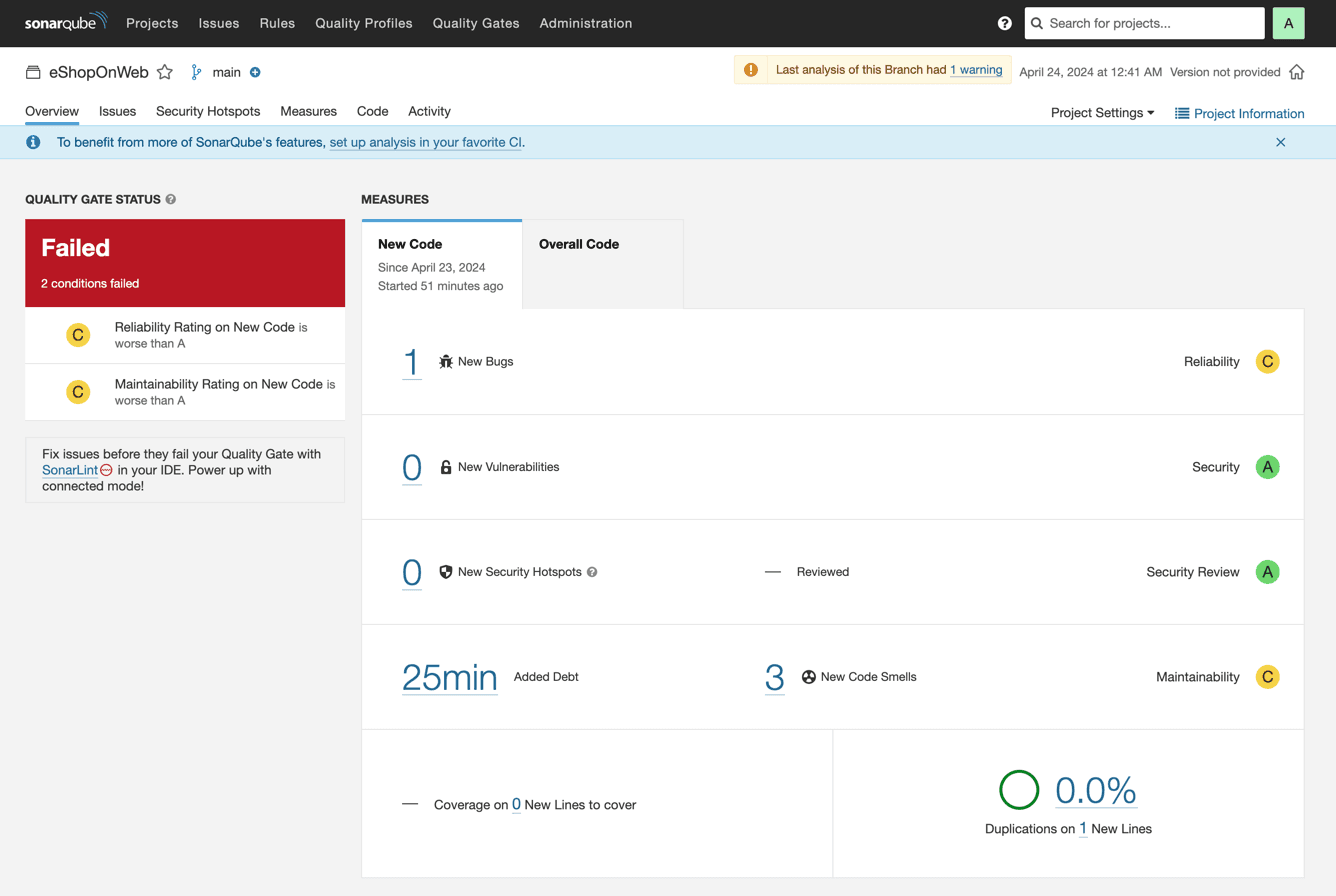
Provides visual dashboards with trends, metrics, and historical data. Helps teams track code quality and technical debt over time.
Ease of Use
SonarQube's interface is clean and straightforward, making it easy to navigate dashboards and drill into code issues. Most users find onboarding smooth if they're familiar with CI/CD concepts, but initial setup can be technical for smaller teams. The documentation is thorough, and in-app guidance helps with rule configuration and interpreting results. I think teams with some DevOps experience will find SonarQube's usability strong, especially for ongoing code quality monitoring.
Integrations
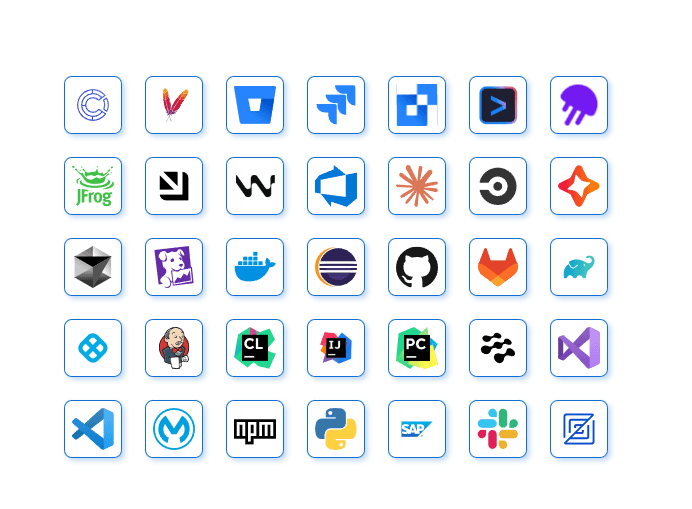
SonarQube integrates with Amazon CodeCatalyst, Android Studio, Apache Maven, Atlassian Bitbucket, Atlassian Jira, Visual Studio, Github, and GitLab, among others.
SonarQube also offers API access and supports connections with third-party integration tools.
SonarQube Specs
- API: Yes
- Bug Tracking: No
- CI/CD Integration: Yes
- Cloud Deployment: Yes
- Code Review: Yes
- Code Transformation: Yes
- Collaboration Support: Yes
- Data Export: Yes
- Data Import: Yes
- Developer Tools: Yes
- External Integrations: Yes
- Git Integration: Yes
- History/Version Control: Yes
- IDE Plugins: Yes
- Local Deployment: Yes
- Multi-User: Yes
- Notifications: Yes
- Project Management: Yes
- Release Management: Yes
- Static Analysis: Yes
- Task Scheduling/Tracking: No
- Testing: Yes


