


Resolve versus ServiceNow: Vergelijking en deskundige beoordelingen voor 2026
Resolve en ServiceNow ondersteunen beide IT-servicemanagement voor ondernemingen, maar hanteren verschillende benaderingen. Vergelijk hun automatisering, ITSM-functies, prijzen en meest geschikte toepassingen.

We review tools independently, and commissions help fund our testing. See our transparency policy, our methodology, or suggest a tool.
Service disruptions rarely come from one system alone. As IT environments grow across cloud, on-premises, observability, and service desk tools, teams need a clear way to manage incidents and automate what happens next.
If you’re comparing Resolve and ServiceNow, the challenge is that they approach IT service management differently. Resolve focuses on automation and orchestration across the tools you already use, while ServiceNow centers IT service management within its own platform ecosystem.
In this article, I compare their features, pricing, security, usability, and best use cases to help you choose the better fit.
Resolve
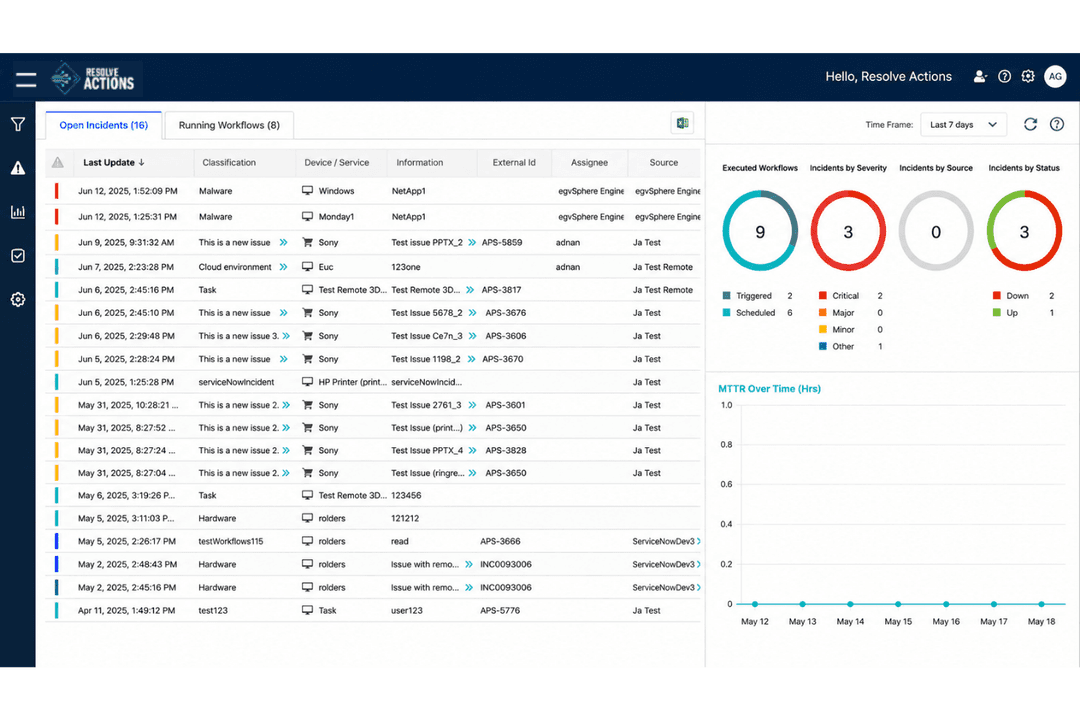
5/5
- Free demo available
- Pricing upon request
ServiceNow
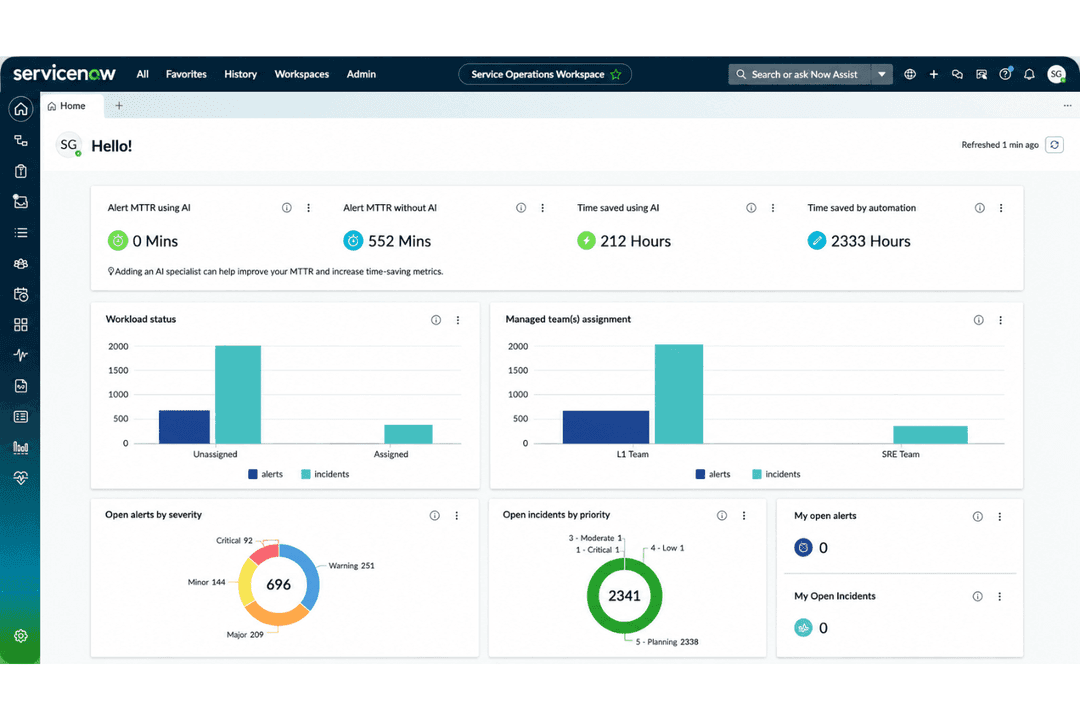
4.4/5
- Free demo available
- Pricing upon request
Waarom u onze softwareaanbevelingen kunt vertrouwen
6,700+
Reviews
20
Industry experts
16+
Evaluation factors
14
Years
Ons team test en beoordeelt software sinds 2012. Als technologieleiders weten we zelf hoe moeilijk — en belangrijk — het is om de juiste software te kiezen.
Voor deze gids hebben we tools geëvalueerd met behulp van praktijktests en onafhankelijk onderzoek, waarbij we tools beoordeeden aan de hand van onze selectiecriteria.
Onze reviews weerspiegelen ons menselijke redactionele oordeel, geen verkooppraatje.
Deskundige beoordelaars:
- Paulo Gardini MiguelTechnisch directeur
 Tim FisherVP AI
 Gabriel RosasTech Lead & software-architect
 Christhian GruhnTech Lead & platformarchitect

| Resolve | ServiceNow | |
|---|---|---|
| Free Trial | Free demo available | Free demo available |
| Pricing | Pricing upon request | Pricing upon request |
Prijzen en verborgen kosten van Resolve versus ServiceNow
Resolve hanteert aangepaste, vaste prijzen zonder kosten per gebruiker, ticket, workflow of AI-token, waardoor de kosten voorspelbaarder blijven naarmate de automatisering wordt uitgebreid. ServiceNow hanteert ook aangepaste prijzen, maar AI-gebruik kan verbruikskosten met zich meebrengen naast software-, implementatie- en configuratiekosten. Geen van beide leveranciers publiceert de exacte prijzen, dus je hebt een offerte op maat nodig.
Het grotere verschil zit in de manier waarop de kosten na de implementatie kunnen oplopen. Resolve omvat professionele diensten voor de eerste vijf use cases of agents en biedt duizenden vooraf gebouwde automatiseringen, terwijl ServiceNow mogelijk aanvullende configuratie, advies en AI-verbruik vereist naarmate de vereisten uitbreiden. Ik zou de totale automatiseringskosten over tijd vergelijken, en niet alleen de oorspronkelijke softwareofferte.
| Resolve | ServiceNow | |
|---|---|---|
| API | Yes | Yes |
| Batch Permissions & Access | Yes | Yes |
| Contact Management | No | Yes |
| Data Export | Yes | Yes |
| Data Import | Yes | Yes |
| External Integrations | Yes | Yes |
| Notifications | Yes | Yes |
| Project Management | No | Yes |
| Workflow Management | Yes | Yes |
| Integratie | Resolve | ServiceNow |
|---|---|---|
| IntegratieMicrosoft Teams | Resolve✅ | ServiceNow✅ |
| IntegratieSlack | Resolve✅ | ServiceNow✅ |
| IntegratieJira | Resolve✅ | ServiceNow✅ |
| IntegratieDatadog | Resolve✅ | ServiceNow✅ |
| IntegratieAWS | Resolve✅ | ServiceNow✅ |
| IntegratieAzure | Resolve✅ | ServiceNow✅ |
| IntegratiePagerDuty | Resolve✅ | ServiceNow✅ |
| IntegratieZoom | Resolve✅ | ServiceNow✅ |
| IntegratieOkta | Resolve✅ | ServiceNow✅ |
| IntegratieBMC Remedy | Resolve✅ | ServiceNow✅ |
| IntegratieAPI | Resolve✅ | ServiceNow✅ |
| IntegratieZapier | Resolve❌ | ServiceNow✅ |
Zowel Resolve als ServiceNow bieden sterke integratie-ecosystemen, maar ze gebruiken deze op verschillende manieren. Resolve verbindt ITSM-, observability-, cloud-, netwerk- en legacysystemen, zodat automatisering binnen de bestaande stack kan worden uitgevoerd. ServiceNow gebruikt integraties om workflows binnen zijn servicebeheeromgeving uit te breiden. Over het algemeen legt Resolve meer nadruk op orkestratie tussen systemen.
| Factor | Resolve | ServiceNow |
|---|---|---|
| FactorToegangscontroles | ResolveGebruikt RBAC en machtigingscontroles om de toegang tot geautomatiseerde acties en platformbronnen te beperken. | ServiceNowGebruikt RBAC, MFA, SSO, versleutelingscontroles en beveiligingsbeleid op platformniveau. |
| FactorGegevensversleuteling | ResolveBeschermt gegevens tijdens transport en in rust met behulp van versleutelingscontroles volgens de industrienorm. | ServiceNowVersleutelt gegevens tijdens transport en in rust, met aanvullende versleutelingsopties voor gevoelige bedrijfsgegevens. |
| FactorNaleving van regelgeving | ResolveOndersteunt de vereisten van SOC 2, ISO 27001, AVG, EU-US DPF, HIPAA/HITRUST en CCPA. | ServiceNowOndersteunt belangrijke kaders, waaronder ISO 27001, SOC 2, AVG en andere sectorale en regionale normen. |
| FactorHosting & gegevenslokalisatie | ResolveBiedt regionale hosting via AWS GovCloud en wereldwijde opties voor gegevenslokalisatie voor gereguleerde en geografisch verspreide organisaties. | ServiceNowBiedt regionale hosting- en gegevenslokalisatieopties voor geografische of wettelijke vereisten. |
| FactorGovernance van automatisering | ResolveGebruikt goedkeuringspoorten, audittrails, terugdraairegels en beleidscontroles om geautomatiseerde en door AI aangestuurde acties te beheren. | ServiceNowBiedt governance- en beleidscontroles voor workflows, AI en andere platformprocessen. |
Over het geheel genomen combineert Resolve een sterke dekking van nalevingsvereisten met governancecontroles die zijn ontworpen voor geautomatiseerde en door AI aangestuurde acties, waaronder RBAC, goedkeuringen, terugdraairegels, audittrails, hosting via AWS GovCloud en wereldwijde gegevenslokalisatie. ServiceNow combineert ondertussen identiteits-, versleutelings-, hosting- en governancecontroles binnen zijn platform. Beide zijn geschikt voor gereguleerde omgevingen; Resolve legt echter bijzondere nadruk op het beheersen van wat automatisering en AI-agents in verschillende systemen kunnen uitvoeren.
| Factor | Resolve | ServiceNow |
|---|---|---|
| FactorGebruikersinterface | ResolveRicht zich op automatiseringsworkflows, agents en operationele taken, met hulpmiddelen waarvoor weinig code nodig is om processen op te bouwen. | ServiceNowBiedt een zeer configureerbare ITSM-interface, hoewel het brede scala aan modules voor een steilere leercurve kan zorgen. |
| FactorInstallatie | ResolveDe complexiteit hangt af van het aantal en de diepgang van integraties, vooral in hybride omgevingen. | ServiceNowVereist doorgaans meer planning en configuratie voor toepassingen, workflows, rollen en integraties. |
| FactorIntroductie | ResolveOmvat begeleide ingebruikname, waarbij professionele diensten helpen bij het configureren van de eerste vijf toepassingen of agents. | ServiceNowBiedt gestructureerde implementatiebronnen, deskundige diensten, partners en aanbevolen opleidingstrajecten voor ITSM-teams. |
| FactorOndersteuning | ResolveBiedt een ondersteuningsportaal, documentatie, trainingsbronnen en praktische professionele diensten tijdens de ingebruikname. | ServiceNowBiedt documentatie, training, certificering, communitybronnen en ondersteuning van implementatiepartners. |
| FactorAanpassing | ResolveOndersteunt workflows waarvoor geen of weinig code nodig is, bouwen met AI-ondersteuning, API's en automatisering met eigen code. | ServiceNowOndersteunt configureerbare workflows en processen binnen de eigen ITSM-omgeving. |
Wat gebruiksgemak betreft combineert Resolve begeleide ingebruikname, het bouwen van workflows waarvoor weinig code nodig is en meer dan 5.000 vooraf gebouwde automatiseringen om werk vanaf nul te beperken. ServiceNow kan ondertussen meer installatie en platformexpertise vereisen, omdat workflows binnen de ITSM-omgeving worden geconfigureerd. Voor teams die zich richten op automatisering tussen verschillende systemen kan Resolve sneller operationeel zijn, terwijl ServiceNow geschikt is voor teams die serviceprocessen voornamelijk binnen het eigen platform willen beheren.
Resolve
- Orchestrates workflows across ITSM, observability, cloud, network, and legacy systems
- Combines deterministic workflows with governed AI agents for more predictable execution
- Uses flat pricing that avoids variable usage- or token-based automation costs
- No native ticketing, so teams still need a separate ITSM platform
- No built-in monitoring, requiring existing observability tools
- Smaller market presence than larger vendors like ServiceNow and BMC
ServiceNow
- Built-in policy management automates complex governance processes
- Detailed audit trails support regulatory and compliance needs
- Centralized dashboard provides clear visibility into AI workflows
- Advanced governance features require significant setup and training
- Pricing is not transparent for most AI-specific modules
- Custom automation can strain IT resources during deployment
Resolve
- Large EnterprisesOrganizations with large, complex IT environments can use Resolve to automate workflows across ITSM, cloud, infrastructure, and legacy systems.
- Financial ServicesBanks and financial institutions can automate incident response, access management, compliance workflows, and other processes where uptime and auditability matter.
- ManufacturingManufacturers can automate service requests, infrastructure remediation, and cross-system workflows across plants, sites, and enterprise systems.
- PharmaceuticalsPharmaceutical companies can use governed automation across regulated environments, including access, incident, infrastructure, and service workflows.
- RetailLarge retailers can automate IT operations across distributed stores, e-commerce systems, infrastructure, and service desks.
- TelecommunicationsTelecom teams managing large networks and hybrid environments can automate operational workflows, remediation, and service processes across multiple systems.
ServiceNow
- Financial ServicesServiceNow’s deep audit trails and policy automation help meet strict regulatory requirements for banking and insurance operations.
- Healthcare OrganizationsCentralized governance and compliance workflows support HIPAA needs and ensure patient data protection.
- Global EnterprisesServiceNow scales well for globally distributed teams needing unified oversight and secure model management.
- Government AgenciesBuilt-in controls and policy management align with complex government information technology standards and public sector risk controls.
- IT DepartmentsIntegrated governance in ITSM workflows makes ServiceNow a natural fit for teams already using incident and change management.
- Data Science LeadersCentralized model tracking and risk scoring make software development teams and AI leaders more efficient at cross-team collaboration and regulatory reporting.
Wie zou Resolve moeten gebruiken en wie ServiceNow?
Resolve is het meest geschikt voor grote ondernemingen met complexe hybride omgevingen die automatisering nodig hebben voor ITSM, observeerbaarheid, cloud-, netwerk- en legacy-systemen. Het is vooral nuttig voor IT-operatie- en servicedeskteams die het aantal tickets willen verminderen, herstelacties willen automatiseren en acties binnen bestaande tools willen coördineren zonder hun ITSM-platform te vervangen.
ServiceNow is daarentegen geschikt voor organisaties die systeemeigen ticketbeheer, serviceworkflows, governance en processen tussen afdelingen binnen één ITSM-platform willen centraliseren. Het kan goed werken in gereguleerde omgevingen waar gecentraliseerde serviceregistraties en controles belangrijk zijn. Uiteindelijk zou ik Resolve kiezen voor diepgaandere automatisering tussen verschillende systemen en ServiceNow wanneer systeemeigen ITSM-beheer de prioriteit is.
| Resolve | ServiceNow | |
|---|---|---|
| Automation Model | Resolve Combines governed AI agents with deterministic workflows for repeatable, predictable execution. | ServiceNow Uses agentic AI and workflow automation across incident, request, change, and other service processes. |
| Cross-System Resolution | Resolve Executes remediation across multiple tools, letting agents diagnose issues and trigger approved actions end to end. | ServiceNow Automates service workflows primarily within the Now Platform and its connected applications. |
| Implementation Approach | Resolve Includes 5,000+ prebuilt workflows and activities that can reduce build-from-scratch configuration. | ServiceNow Often requires more configuration and customization across its broader platform and modules. |
| Pricing Model | Resolve Uses flat pricing without per-user, per-ticket, per-workflow, or AI token fees. | ServiceNow Uses custom pricing, with AI consumption measured through allocated assists. |
| Primary Platform Role | Resolve Acts as an automation and orchestration layer across existing ITSM, cloud, network, observability, and legacy systems. | ServiceNow Acts as a native ITSM platform and system of record for managing service operations. |
| APIs & Integrations | Both provide integrations and API access for connecting ITSM, cloud, collaboration, identity, and infrastructure tools. |
|---|---|
| Employee Self-Service | Both provide visual or low-code tools for building workflows that reduce manual work and speed up service resolution. |
| Enterprise Focus | Both are built for large organizations managing complex IT environments, distributed systems, and high service volumes. |
| Governance Controls | Both support permissions, approvals, and policy controls to manage how users and automated processes interact with enterprise systems. |
| Hybrid IT Support | Both support IT operations across cloud, on-premises, and other enterprise infrastructure environments. |