

Recensione di Microsoft Hyper-V: Pro, Contro, Caratteristiche e Prezzi
Microsoft Hyper-V si distingue come una piattaforma di virtualizzazione conveniente per ambienti Windows, offrendo un'ampia scalabilità e integrazione con l'ecosistema Microsoft.

Recensiamo gli strumenti in modo indipendente e le commissioni ci aiutano a finanziare i nostri test. Consulta la nostra politica sulla trasparenza, la nostra metodologia, oppure suggerisci uno strumento.
Microsoft Hyper-V is a virtualization software built directly into Windows Server, letting you run multiple isolated virtual machines on a single physical host. I'd consider it if your infrastructure is already Windows-centric and you need a reliable hypervisor without adding separate licensing costs. If you're weighing it against VMware vSphere, Hyper-V is the stronger choice for teams that want tighter integration with Active Directory and Microsoft tooling—without the added overhead of VMware's licensing structure.
Microsoft Hyper-V Evaluation Summary
4.6/5
- Free to use
- Free, open-source
Perché fidarsi dei nostri consigli sui software
6,700+
Reviews
20
Industry experts
16+
Evaluation factors
14
Years
Il nostro team testa e recensisce software dal 2012. In quanto leader tecnologici noi stessi, sappiamo quanto sia difficile — e importante — scegliere il software giusto.
Per questa guida, abbiamo valutato gli strumenti attraverso test praticie ricerche indipendenti, assegnando un punteggio agli strumenti in base ai nostri criteri di selezione.
Le nostre recensioni riflettono il nostro giudizio editoriale umano, non un discorso di vendita.
Revisori esperti:
- Paulo Gardini MiguelDirettore tecnico
 Tim FisherVP dell'IA
 Gabriel RosasTech Lead e architetto software
 Christhian GruhnTech Lead e architetto della piattaforma

Microsoft Hyper-V Overview
In my opinion, Microsoft Hyper-V is a solid choice for virtualization that integrates well with other Microsoft products, offering a seamless experience for IT departments focused on Windows environments. While its ease of use and onboarding could be improved, it excels in value for money and customer support. It's best suited for medium-sized to large enterprises looking for cost-effective virtualization solutions. Compared to competitors, Microsoft Hyper-V stands out with its pricing and Windows compatibility, but it may fall short if you're seeking an intuitive GUI or quick onboarding.
Pros
- It integrates seamlessly with Windows, making it ideal for your team using Microsoft products within a unified ecosystem.
- Its intuitive management tools make it easy to manage virtual machines.
- It offers strong performance and scalability for your growing IT needs across enterprise workstation and server environments.
Cons
- The user interface can feel clunky compared to other virtualization tools.
- Your team might face a steeper learning curve during onboarding, especially when configuring the Hyper-V role.
- It lacks some advanced functionalities found in other virtualization software, including tools common in open-source platforms.
Is Microsoft Hyper-V Right For Your Needs?
Who Would be a Good Fit for Microsoft Hyper-V?
Microsoft Hyper-V is a good fit for IT departments in midsize to large enterprises that rely heavily on Windows infrastructure. It excels in environments where smooth integration with other Microsoft products is crucial. If your team values cost-effective virtualization with strong performance and scalability, Microsoft Hyper-V is a smart choice. Its management tools make it easier for IT teams to handle extensive virtual machine environments, especially in industries such as finance and healthcare.
- Large EnterprisesMicrosoft Hyper-V scales well, making it ideal for managing numerous virtual machines in big companies.
- Healthcare IndustryIts integration with Windows products supports secure and efficient data management, crucial for healthcare environments requiring replication and high availability.
- Finance DepartmentsMicrosoft Hyper-V's strong performance and security features keep your financial data protected and accessible.
- Educational InstitutionsIt offers cost-effective virtualization, perfect for schools and universities with tight budgets and mixed workstation deployments.
- IT DepartmentsThe management tools simplify virtual machine oversight, making it a solid choice for IT professionals managing complex virtualization platforms.
- Government AgenciesIts security measures and Windows compatibility support the strict compliance needs of government work.
Who Would be a Bad Fit for Microsoft Hyper-V?
Microsoft Hyper-V isn't ideal for small businesses or teams that don't use Windows systems extensively. If your team relies on a mix of operating systems or needs a user-friendly interface, Microsoft Hyper-V might not meet your needs. Its learning curve and management tools can be overwhelming for small IT teams. Additionally, companies seeking advanced features found in other virtualization solutions may find Microsoft Hyper-V lacking.
- Small StartupsThe complexity and cost may outweigh the benefits for startups with limited IT resources.
- Mac-Centric TeamsMicrosoft Hyper-V's Windows-centric design doesn't support macOS environments effectively.
- Creative DepartmentsCreative teams often need cross-platform compatibility, which Microsoft Hyper-V doesn't offer.
- Remote TeamsIts management tools aren't optimized for fully remote workforces needing cloud-based flexibility.
- Non-Technical UsersThe interface isn't intuitive, posing challenges for teams without IT expertise.
- Advanced Virtualization NeedsIf you're seeking cutting-edge virtualization features, Microsoft Hyper-V might fall short of your expectations.
La Nostra Metodologia di Recensione
Come Testiamo e Valutiamo gli Strumenti
Abbiamo trascorso anni a costruire, perfezionare e migliorare il nostro sistema di testing e valutazione del software. Il nostro schema è progettato per cogliere le sfumature della selezione software e cosa rende efficace uno strumento, focalizzandosi sugli aspetti critici del processo decisionale.
Di seguito, puoi vedere esattamente come funziona il nostro testing e punteggio su sette criteri. Ci permette di offrire una valutazione imparziale del software basata su funzionalità principali, caratteristiche distintive, facilità d’uso, onboarding, assistenza clienti, integrazioni, recensioni dei clienti e rapporto qualità-prezzo.
Funzionalità Principali (25% del punteggio finale)
Il punto di partenza della nostra valutazione è sempre la funzionalità principale dello strumento. Ha le funzioni e caratteristiche base che ci si aspetta? Alcune di queste caratteristiche sono limitate ai piani tariffari superiori? Fondamentalmente, ci aspettiamo che uno strumento regga il confronto rispetto alle capacità di base dei concorrenti.
Caratteristiche Distintive (25% del punteggio finale)
Successivamente, valutiamo le caratteristiche distintive e non comuni che vanno oltre la funzionalità base tipicamente trovata negli strumenti di questa categoria. Un punteggio alto riflette funzionalità specializzate o uniche che rendono il prodotto più veloce, efficiente o offrono ulteriore valore all’utente.
Valutiamo inoltre quanto sia semplice integrare altri strumenti tipicamente utilizzati nell’infrastruttura tecnologica per espandere la funzionalità e l’utilità del software. Gli strumenti che offrono numerose integrazioni native, connessioni di terze parti e accesso API per creare integrazioni personalizzate ottengono i punteggi migliori.
Facilità d’Uso (10% del punteggio finale)
Consideriamo quanto sia rapido e semplice svolgere i compiti definiti nella funzionalità principale utilizzando lo strumento. Il software con punteggio alto è ben progettato, intuitivo da usare, offre app mobili, fornisce modelli e rende semplici attività relativamente complesse.
Onboarding (10% del punteggio finale)
Sappiamo quanto sia importante l’adozione rapida da parte del team per una nuova piattaforma, quindi valutiamo quanto sia facile imparare e utilizzare uno strumento con formazione minima. Valutiamo quanto velocemente un membro del team possa iniziare a usare lo strumento anche senza esperienza. Soluzioni con punteggio alto indicano che sono richiesti pochi o nessun supporto.
Assistenza Clienti (10% del punteggio finale)
Esaminiamo quanto sia veloce e facile ricevere assistenza e risolvere problemi tramite telefono, live chat o knowledge base. Gli strumenti e le aziende che garantiscono supporto in tempo reale ottengono il miglior punteggio, mentre i chatbot ottengono il peggiore.
Recensioni dei Clienti (10% del punteggio finale)
Oltre ai nostri test e valutazioni, prendiamo in considerazione il net promoter score dei clienti attuali e passati. Valutiamo la probabilità che, data la scelta, selezionerebbero nuovamente lo strumento per la funzionalità principale. Un software con punteggio alto riflette un alto net promoter score da parte dei clienti attuali o passati.
Rapporto Qualità-Prezzo (10% del punteggio finale)
Infine, considerando tutti gli altri criteri, analizziamo il prezzo medio dei piani base rispetto alle funzionalità principali e consideriamo il valore degli altri criteri di valutazione. Il software che offre di più a meno otterrà un punteggio più alto.
Core Features
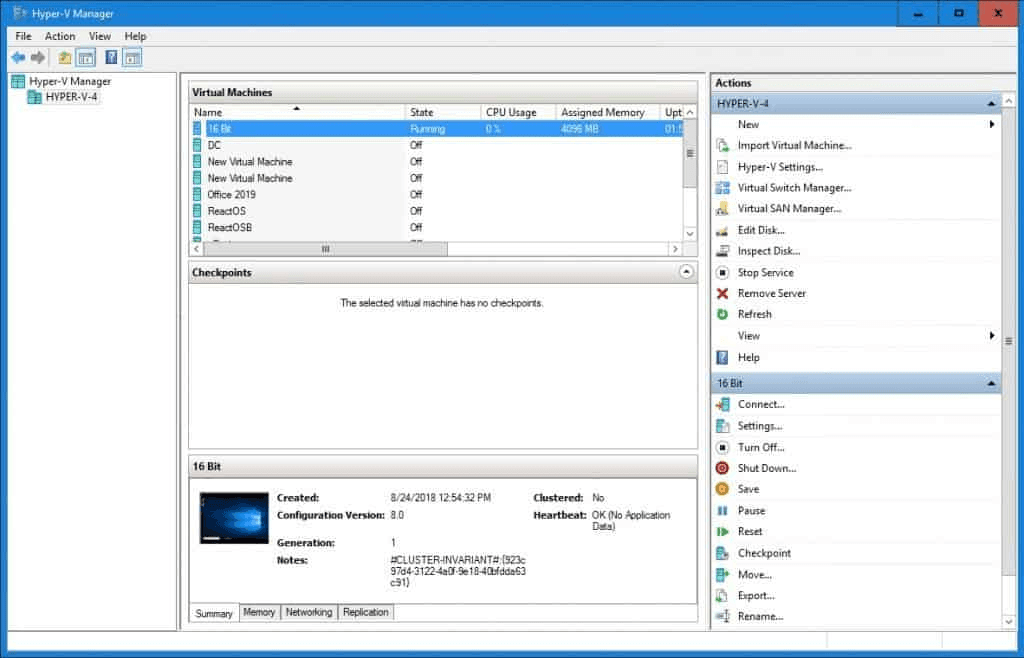
Virtual Machine Management: You can easily create and manage virtual machines, assigning resources such as CPU and memory to each guest operating system, to streamline your IT operations. The intuitive interface helps your team deploy and monitor virtual environments efficiently.
Live Migration: Move running virtual machines between physical hosts with no downtime. This keeps your systems operational during maintenance or hardware upgrades.
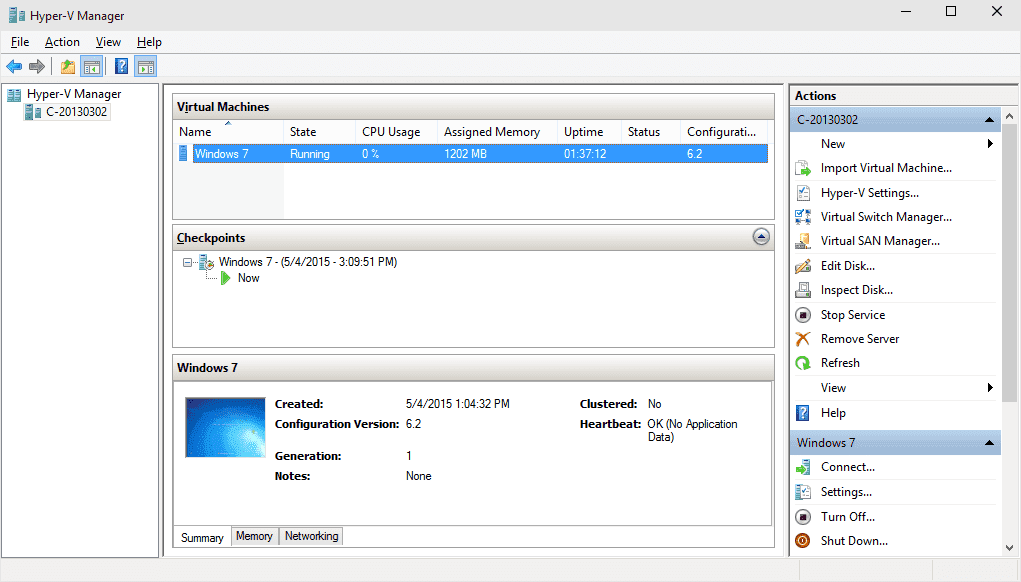
Checkpoint Support: Capture the state of a virtual machine at a specific point in time. This is invaluable for your team when testing changes or updates without risking data.
Dynamic Memory: Allocate memory resources dynamically based on demand. This feature optimizes your server utilization, ensuring your virtual machines run smoothly.
Virtual Networking: Set up isolated networks and manage traffic flows between virtual machines. It gives your IT team control over network configurations and enhances security.
Failover Clustering: Ensure high availability by clustering virtual machines across multiple hosts. This keeps your critical applications running even if a server fails.
Ease of Use
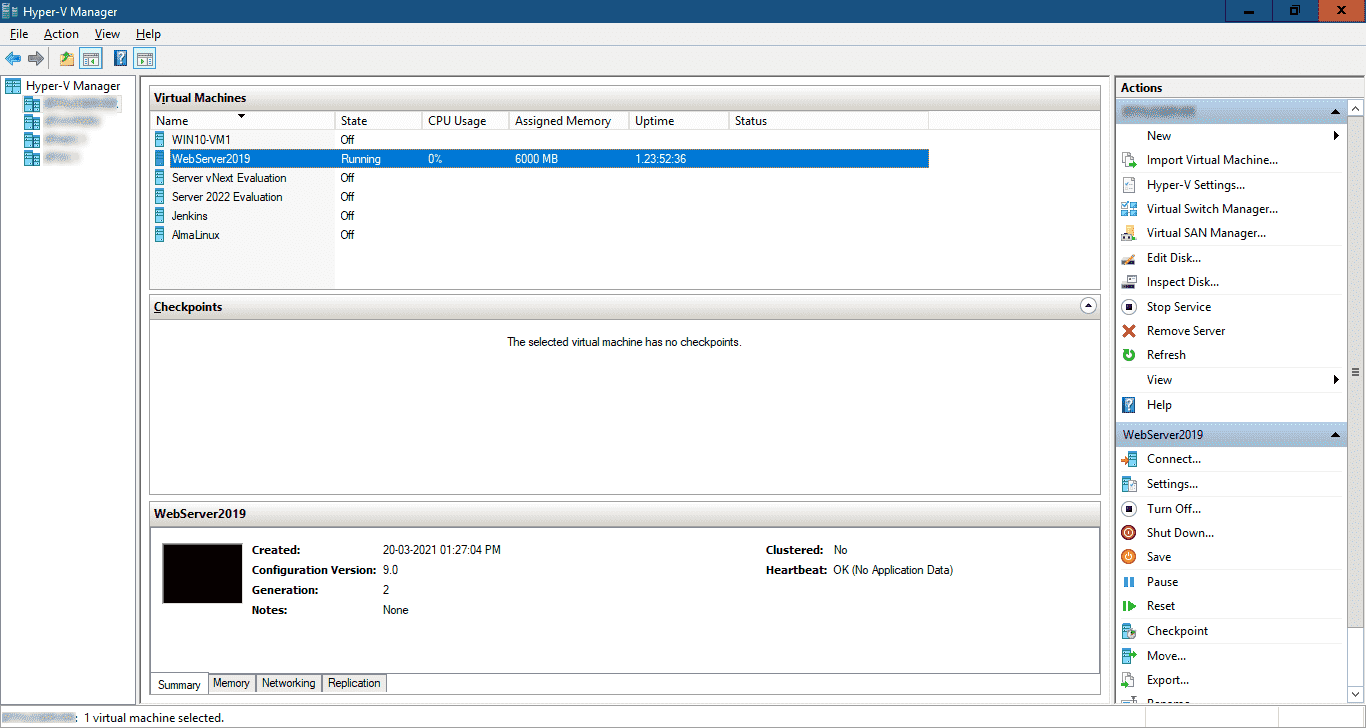
Microsoft Hyper-V's user interface can be clunky, making it less intuitive for your team compared to some other options with more modern GUI designs. The learning curve is steeper, especially if your team lacks IT expertise. However, once mastered, its powerful management tools and Windows integration offer you efficient control over virtual environments. The features are robust, but expect to invest time in training to fully leverage its capabilities for your IT needs.
Integrations
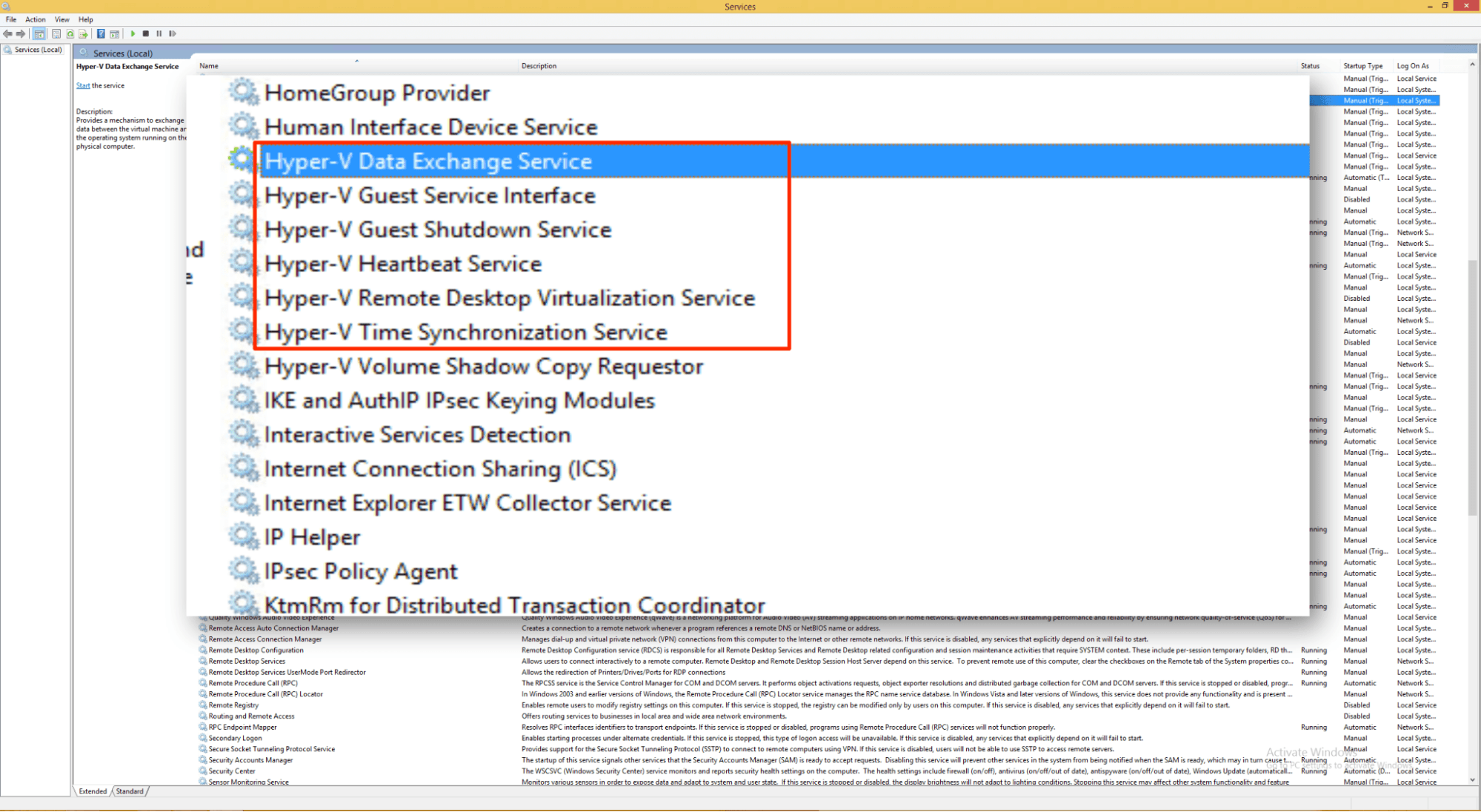
Microsoft Hyper-V integrates with Windows Server, System Center Virtual Machine Manager, Microsoft Azure, Windows Admin Center, Microsoft Endpoint Configuration Manager, PowerShell, Active Directory, Windows Failover Clustering, Microsoft Operations Management Suite, and Microsoft Defender for Cloud as part of the broader Microsoft ecosystem.
Microsoft Hyper-V also offers an API for developers and can connect with third-party integration tools.
Microsoft Hyper-V Specs
- API: Yes
- Bug Tracking: No
- CI/CD Integration: No
- Cloud Deployment: No
- Code Review: No
- Code Transformation: No
- Collaboration Support: No
- Data Export: No
- Data Import: No
- Developer Tools: Yes
- External Integrations: Yes
- Git Integration: No
- History/Version Control: No
- IDE Plugins: No
- Local Deployment: Yes
- Multi-User: Yes
- Notifications: No
- Project Management: No
- Release Management: No
- Static Analysis: No
- Task Scheduling/Tracking: No
- Testing: No


