

Le 10 migliori alternative a Intercom recensite nel 2026

Elenco delle migliori alternative a Intercom


Intercom potrebbe non soddisfare le esigenze specifiche di ogni team. Molti esperti del settore tecnologico incontrano difficoltà in termini di personalizzazione, scalabilità o costi quando utilizzano Intercom. Che tu stia gestendo le richieste dei clienti o cercando una migliore integrazione con i sistemi esistenti, trovare la soluzione più adatta è importante.
In base alla mia esperienza, la piattaforma di assistenza clienti giusta può trasformare il modo in cui opera il tuo team, migliorando la comunicazione e aumentando l'efficienza. Ho testato e recensito in modo indipendente diverse alternative a Intercom, concentrandomi su ciò che conta davvero per te.
In questo articolo troverai recensioni imparziali delle principali alternative, ognuna con funzionalità uniche per affrontare le sfide specifiche della tua azienda. Esploriamo le opzioni che possono adattarsi meglio ai tuoi obiettivi e migliorare il flusso di lavoro del tuo team.
Che cos'è Intercom?
Intercom è una piattaforma di assistenza clienti progettata per migliorare la comunicazione tra le aziende e i loro clienti. Viene comunemente utilizzata dai team di assistenza clienti, dai professionisti del marketing e dai responsabili di prodotto che devono coinvolgere gli utenti in modo efficiente. Grazie a funzionalità come la chat dal vivo, la messaggistica automatizzata e il monitoraggio dei dati dei clienti, Intercom aiuta il tuo team a gestire le interazioni e a migliorare l'esperienza degli utenti. Nel complesso, Intercom offre una soluzione centralizzata per ottimizzare la comunicazione e l'assistenza ai clienti.
Tabella di confronto delle alternative a Intercom
Questa tabella di confronto riassume i dettagli sui prezzi delle migliori alternative a Intercom che ho selezionato:
| Tool | Best For | Trial Info | Price | ||
|---|---|---|---|---|---|
| 1 | Ideale per contatti illimitati | Prova gratuita di 14 giorni + demo gratuita disponibile | A partire da $9.6/mese | Website | |
| 2 | Ideale per un semplice sistema di gestione dei ticket | Prova gratuita di 30 giorni disponibile | A partire da $24/utente/mese (con fatturazione annuale) | Website | |
| 3 | Ideale per l'integrazione con l'e-commerce | Prova gratuita di 30 giorni + demo gratuita disponibile | A partire da $40/al mese | Website | |
| 4 | Ideale per l'automazione della gestione dei ticket | Piano gratuito + demo gratuita disponibile | A partire da $39.99/mese | Website | |
| 5 | Ideale per il coinvolgimento basato sull'IA | Demo gratuita disponibile | Prezzi su richiesta | Website | |
| 6 | Ideale per chi pone l'accento sulla privacy dei dati | Demo gratuita disponibile | Prezzi su richiesta | Website | |
| 7 | Ideale per agenti IA personalizzabili | Prova gratuita di 14 giorni + piano gratuito disponibile | A partire da $45/mese | Website | |
| 8 | Ideale per il supporto omnicanale | Demo gratuita disponibile | A partire da $59/postazione/mese (fatturato annualmente) | Website | |
| 9 | Ideale per un'integrazione fluida | Prova gratuita di 14 giorni | A partire da $20/utente/mese | Website | |
| 10 | Ideale per una scalabilità conveniente | Piano gratuito disponibile | A partire da $29.75/mese (con fatturazione annuale) | Website |
Perché fidarsi dei nostri consigli sui software
Il nostro team testa e recensisce software dal 2012. In quanto leader tecnologici noi stessi, sappiamo quanto sia difficile — e importante — scegliere il software giusto.
Per questa guida, abbiamo valutato gli strumenti attraverso test praticie ricerche indipendenti, assegnando un punteggio agli strumenti in base ai nostri criteri di selezione.
Le nostre recensioni riflettono il nostro giudizio editoriale umano, non un discorso di vendita.
Revisori esperti:
Recensioni delle migliori alternative a Intercom
Di seguito trovi i miei riepiloghi dettagliati delle migliori alternative a Intercom incluse nel mio elenco. Le mie recensioni offrono una panoramica approfondita delle funzionalità principali, dei vantaggi e degli svantaggi, delle integrazioni e dei casi d’uso ideali di ogni strumento, per aiutarti a trovare quello più adatto a te.

Ideale per contatti illimitati
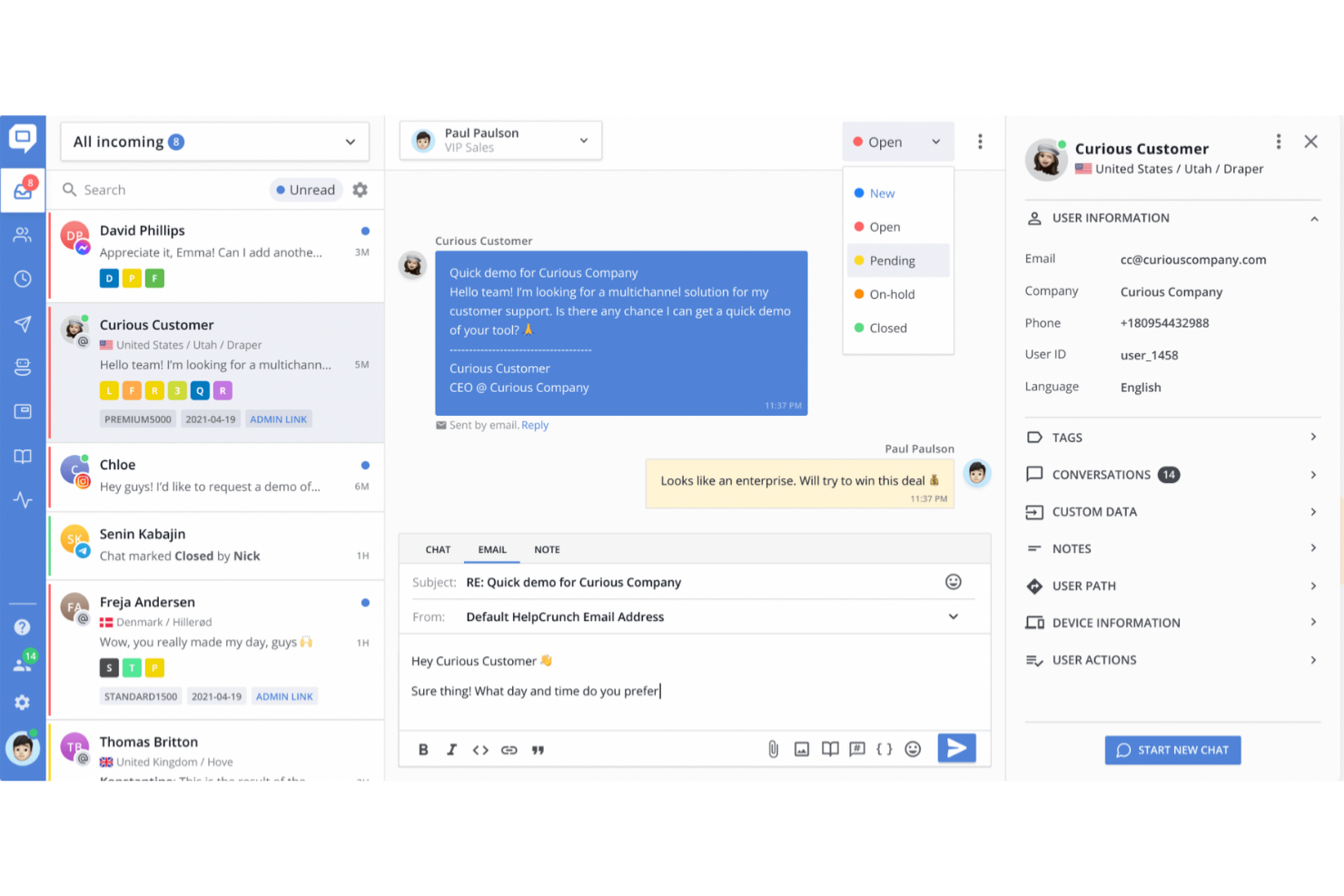
HelpCrunch è un software per il servizio clienti incentrato sulla chat dal vivo e sull'email marketing, progettato per startup e piccoli team che gestiscono la comunicazione e il supporto ai clienti.
Perché HelpCrunch è una buona alternativa a Intercom: HelpCrunch offre contatti illimitati, consentendo al tuo team di gestire le interazioni con i clienti senza restrizioni. La sua funzionalità di chat dal vivo è uno strumento di supporto personalizzabile, che offre un'interazione in tempo reale adatta all'aspetto e allo stile del tuo brand. Inoltre, la funzionalità di base di conoscenza di HelpCrunch aiuta il tuo team a creare un portale self-service per i clienti.
Funzionalità e integrazioni di rilievo:
Le funzionalità includono un widget di chat personalizzabile che consente al tuo team di adattare l'aspetto della chat al tuo branding. L'automazione dell'email marketing permette di inviare messaggi mirati, mentre il generatore di basi di conoscenza aiuta a creare articoli utili per i clienti.
Le integrazioni includono Slack, WordPress, Shopify, Google Analytics e altro.
Pros and Cons
Pros:
- Contatti illimitati
- Popup personalizzabili
- Automazione delle email
Cons:
- Funzionalità di reportistica avanzata limitate
- Potrebbe richiedere assistenza tecnica per la configurazione

Groove
Ideale per un semplice sistema di gestione dei ticket
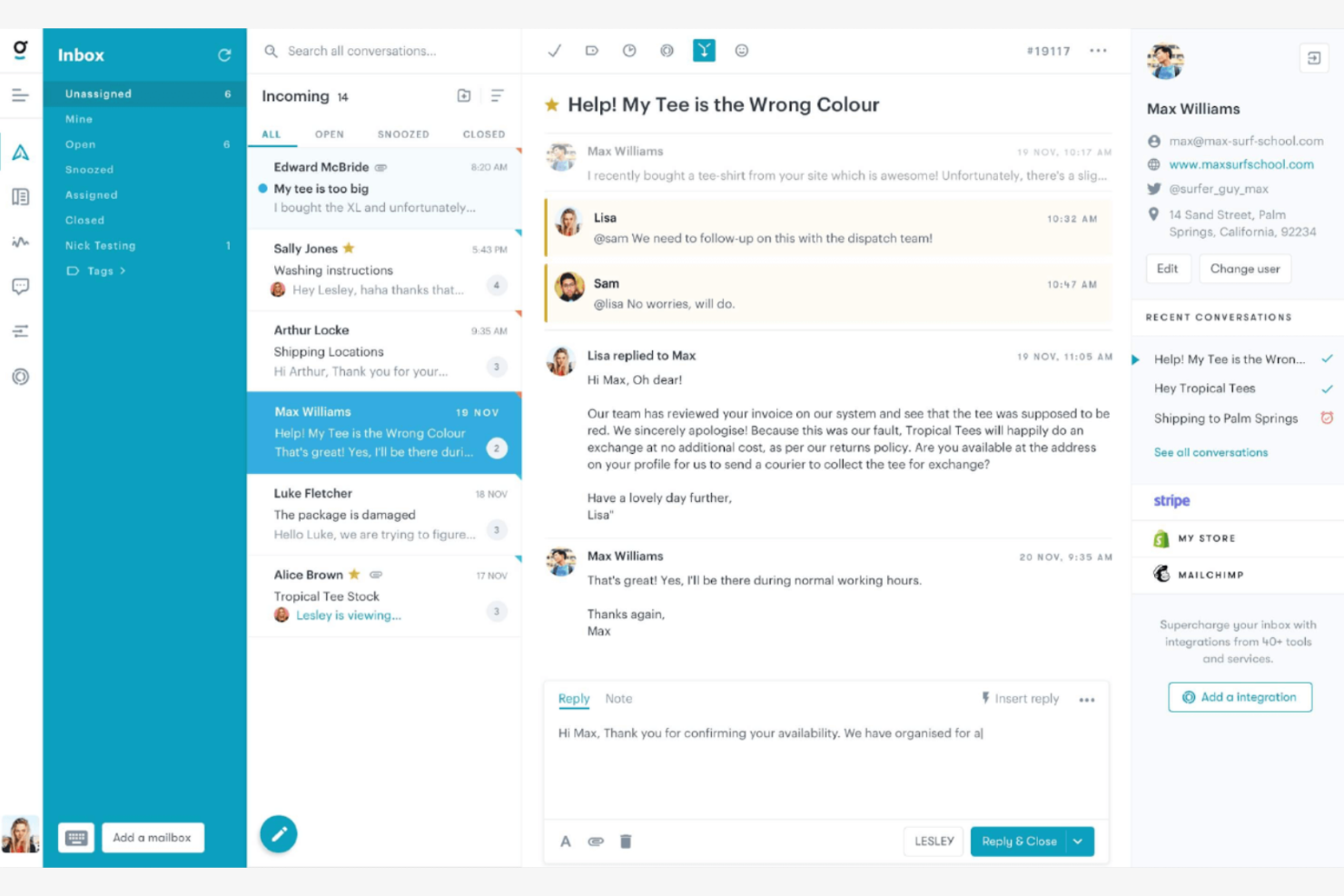
Groove è una piattaforma per il servizio clienti che aiuta i team a gestire le richieste dei clienti tramite una casella di posta condivisa e un sistema di gestione dei ticket, utilizzata principalmente dalle piccole e medie imprese.
Perché Groove è una buona alternativa a Intercom: Groove offre un semplice sistema di gestione dei ticket che aiuta il tuo team a gestire le richieste dei clienti. La sua funzione di casella di posta condivisa consente ai membri del team di accedere alle stesse informazioni, riducendo al minimo le risposte duplicate. Inoltre, i suoi strumenti di reportistica forniscono informazioni sulle prestazioni del team e sulla soddisfazione dei clienti.
Funzionalità e integrazioni principali:
Le funzionalità includono strumenti di automazione dei ticket che consentono al tuo team di gestire automaticamente le richieste comuni, liberando tempo per le questioni più complesse. Il sistema di valutazione della soddisfazione dei clienti di Groove fornisce feedback sulle prestazioni del tuo team.
Le integrazioni includono Slack, Facebook, Shopify, Jira, Mailchimp e altro ancora.
Pros and Cons
Pros:
- Semplice sistema di gestione dei ticket
- Casella di posta condivisa
- Funzionalità di automazione
Cons:
- Opzioni di personalizzazione di base
- Scalabilità limitata

Gorgias
Ideale per l'integrazione con l'e-commerce
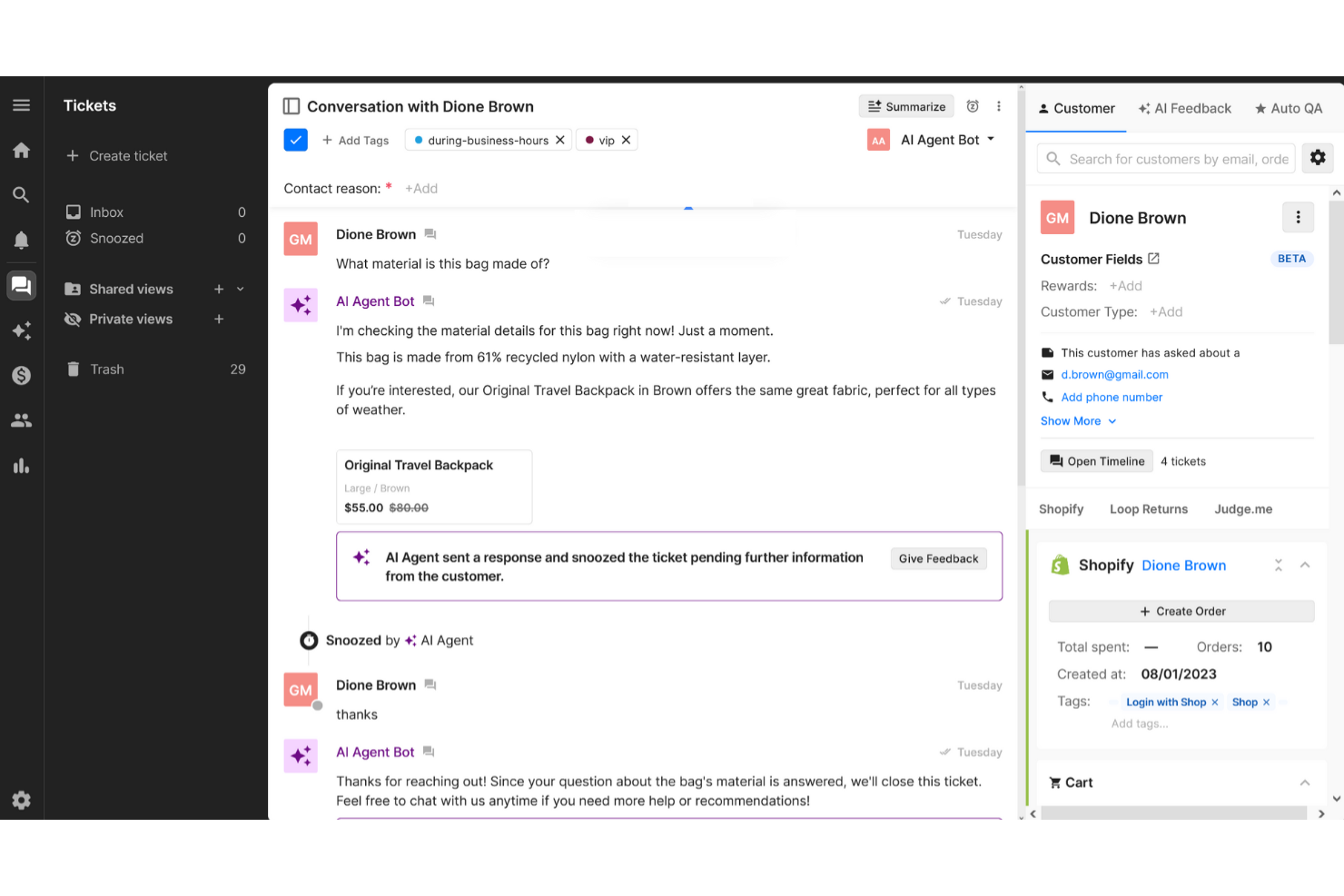
Gorgias è una piattaforma di assistenza clienti per le aziende di e-commerce, che aiuta i rivenditori online a gestire le richieste e fornire assistenza multicanale in modo efficiente.
Perché Gorgias è una valida alternativa a Intercom: Gorgias eccelle nell'integrazione con l'e-commerce, consentendo al tuo team di gestire l'assistenza clienti direttamente dalla piattaforma del tuo negozio. Le sue funzionalità di automazione aiutano a ridurre le attività ripetitive, così il tuo team può concentrarsi sulle richieste più complesse. La visualizzazione centralizzata dei clienti della piattaforma aiuta il tuo team ad accedere alle informazioni necessarie per fornire un'assistenza personalizzata. Inoltre, Gorgias offre analisi dettagliate per monitorare le prestazioni dell'assistenza e migliorare la soddisfazione dei clienti.
Funzionalità e integrazioni principali:
Le funzionalità includono macro che consentono al tuo team di risparmiare tempo automatizzando le risposte alle domande più comuni. Offre assistenza multicanale, permettendo di gestire tutte le richieste dei clienti da un'unica piattaforma. Il pannello di controllo centralizzato offre al tuo team una visione completa delle interazioni con i clienti.
Le integrazioni includono Shopify, Adobe Commerce, Facebook, Instagram, WhatsApp e altro.
Pros and Cons
Pros:
- Solida integrazione con l'e-commerce
- Automazione delle attività ripetitive
- Assistenza multicanale
Cons:
- Le macro e l'automazione richiedono manutenzione
- Richiede molte risorse per i team più piccoli

Ideale per l'automazione della gestione dei ticket
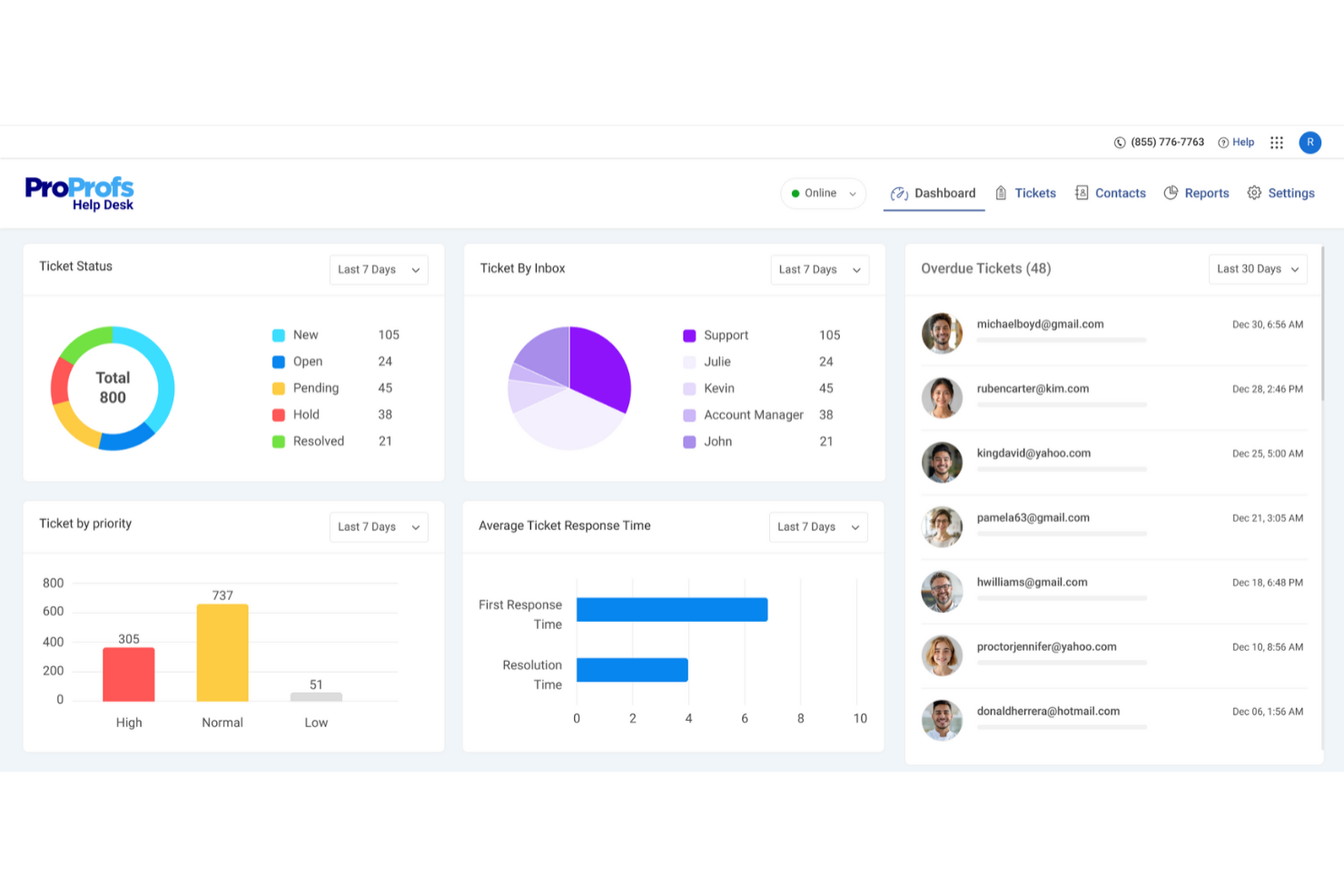
ProProfs Help Desk è un software per l'assistenza clienti che utilizza la gestione dei ticket e l'automazione per aiutare i team di supporto a gestire le richieste e rispondere più rapidamente.
Perché ProProfs Help Desk è una buona alternativa a Intercom: ProProfs Help Desk automatizza l'assegnazione dei ticket, così le domande arrivano al membro del team giusto, aiutando il tuo team a rispondere in modo efficiente. La posta in arrivo collaborativa della piattaforma consente al tuo team di lavorare insieme in modo efficace e ridurre i tempi di risposta. Inoltre, gli strumenti di reportistica aiutano a monitorare le metriche dell'assistenza e a migliorare le prestazioni.
Funzionalità e integrazioni principali:
Le funzionalità includono risposte predefinite che consentono al tuo team di rispondere rapidamente alle domande comuni. Gli strumenti di gestione degli SLA della piattaforma aiutano a rispettare gli standard di servizio, mentre la funzionalità della base di conoscenza consente di creare risorse utili per i clienti.
Le integrazioni includono Salesforce, Slack, Shopify, Jira, Microsoft Dynamics CRM e altro.
Pros and Cons
Pros:
- Assegnazione automatizzata dei ticket
- Posta in arrivo collaborativa
- Gestione degli SLA
Cons:
- Funzionalità avanzate limitate
- Le opzioni di automazione sono relativamente basilari
Drift
Ideale per il coinvolgimento basato sull'IA
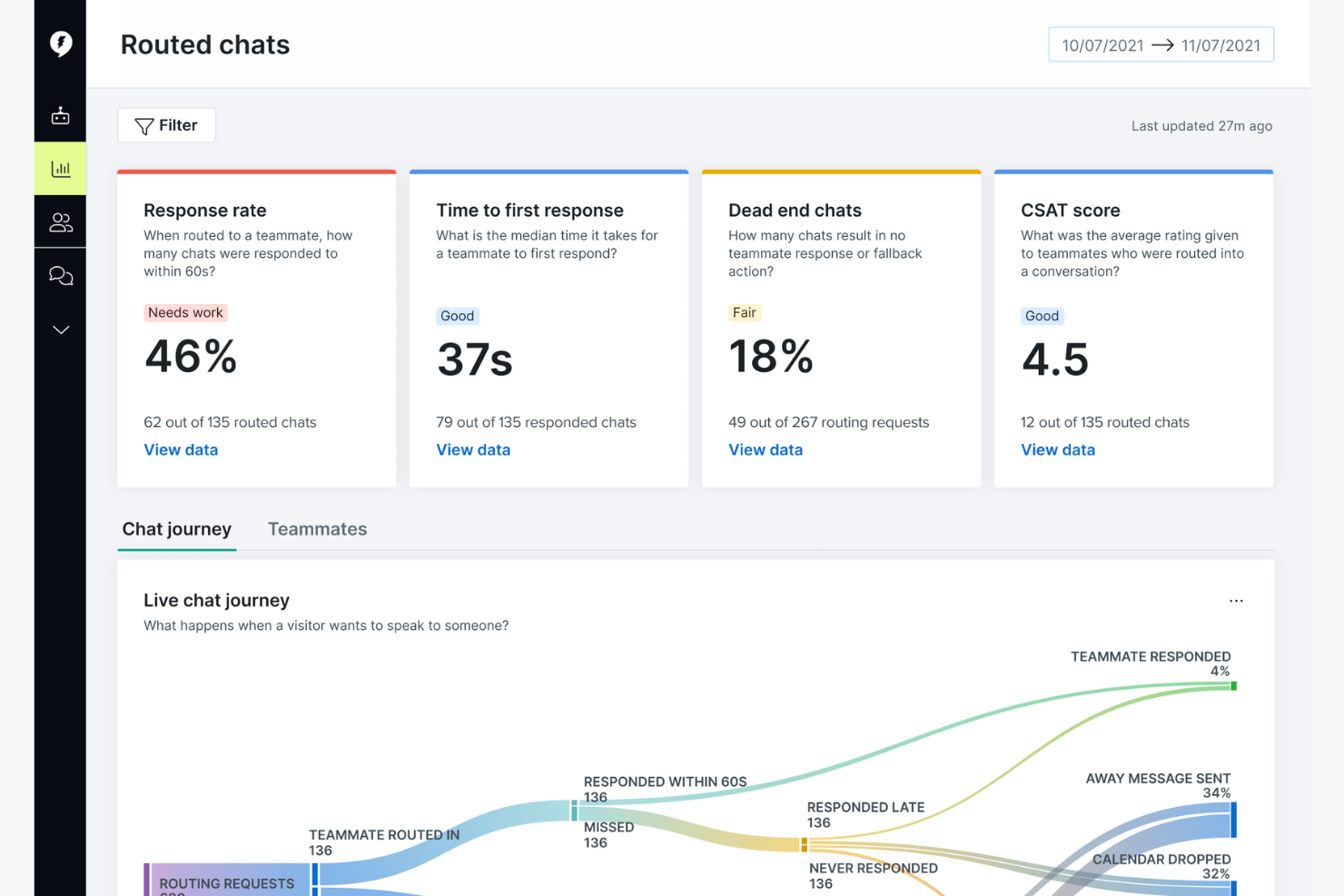
Drift è una piattaforma di marketing conversazionale incentrata sui chatbot basati sull'IA e sulla chat dal vivo, utilizzata dai team di vendita e marketing per coinvolgere i potenziali clienti e qualificare i lead.
Perché Drift è una valida alternativa a Intercom: Drift offre strumenti di coinvolgimento basati sull'IA che aiutano il tuo team a entrare in contatto con i clienti in modo efficiente. I suoi chatbot sono progettati per qualificare automaticamente i lead, facendo risparmiare tempo e fatica al tuo team. Le funzionalità di messaggistica in tempo reale di Drift consentono di rispondere rapidamente, aumentando la soddisfazione dei clienti. Inoltre, Drift fornisce analisi dettagliate per aiutarti a monitorare e ottimizzare le prestazioni del tuo team.
Funzionalità e integrazioni distintive:
Le funzionalità includono pagine di destinazione conversazionali, che consentono al tuo team di interagire direttamente con i visitatori del sito web. I piani di comunicazione via email della piattaforma aiutano ad automatizzare i follow-up personalizzati via email, mentre i bot personalizzati possono essere adattati alle esigenze specifiche della tua azienda.
Le integrazioni includono Salesforce, HubSpot, Slack e altro ancora.
Pros and Cons
Pros:
- Chatbot basati sull'IA
- Messaggistica in tempo reale
- Automazione della qualificazione dei lead
Cons:
- Utilizzo limitato per i team di assistenza
- Supporto linguistico limitato

Kustomer
Ideale per chi pone l'accento sulla privacy dei dati
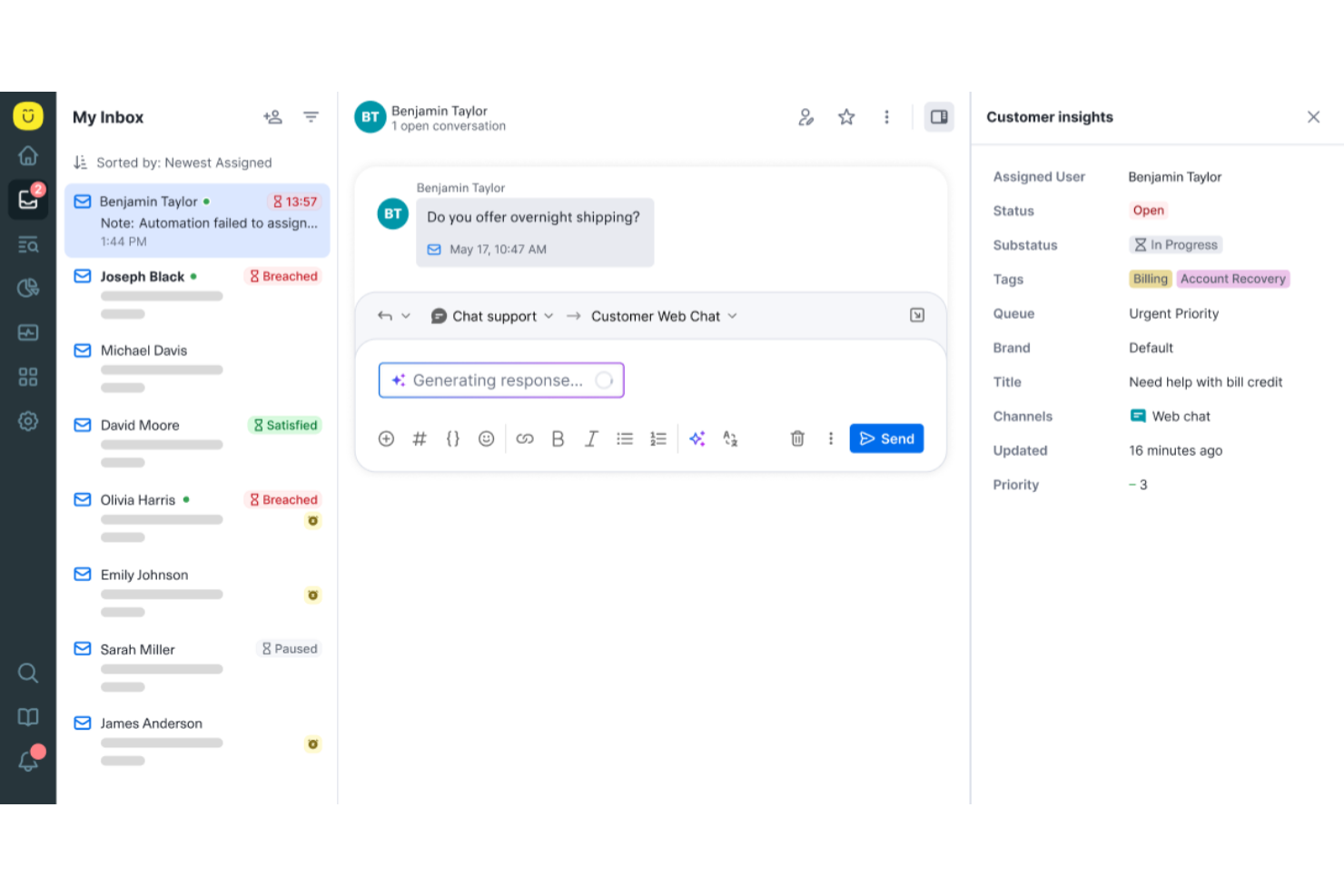
Kustomer è una piattaforma di assistenza clienti che centralizza le interazioni con i clienti in un'unica sequenza temporale, utilizzata dai team di supporto per gestire le conversazioni e offrire un'assistenza personalizzata.
Perché Kustomer è una buona alternativa a Intercom: Kustomer pone l'accento sulla privacy dei dati, mantenendo al sicuro le interazioni con i clienti. La visualizzazione sotto forma di sequenza temporale offre una panoramica delle interazioni con i clienti, aiutando il team a comprendere il percorso di ciascun cliente. Le funzionalità di automazione della piattaforma riducono le attività manuali, consentendo al team di concentrarsi sui problemi più importanti. Inoltre, i report avanzati di Kustomer forniscono informazioni sulle prestazioni del team e sulla soddisfazione dei clienti.
Funzionalità e integrazioni principali:
Le funzionalità includono l'analisi del sentiment, che aiuta il team a valutare le emozioni dei clienti durante le interazioni per migliorare le relazioni con i clienti. Le funzionalità di gestione degli SLA di Kustomer aiutano il team a rispettare i tempi di risposta e le aspettative relative al servizio. Il suo instradamento intelligente indirizza le richieste al membro del team più adatto in base a criteri specifici.
Le integrazioni includono Salesforce, Shopify, Slack, WhatsApp, Instagram, Facebook e altro ancora.
Pros and Cons
Pros:
- Solide funzionalità per la privacy dei dati
- Strumenti per la sequenza temporale dei clienti
- Analisi del sentiment
Cons:
- L'agente IA è un componente aggiuntivo e non è incluso nei piani base
- Opzioni di personalizzazione limitate

Crisp
Ideale per agenti IA personalizzabili
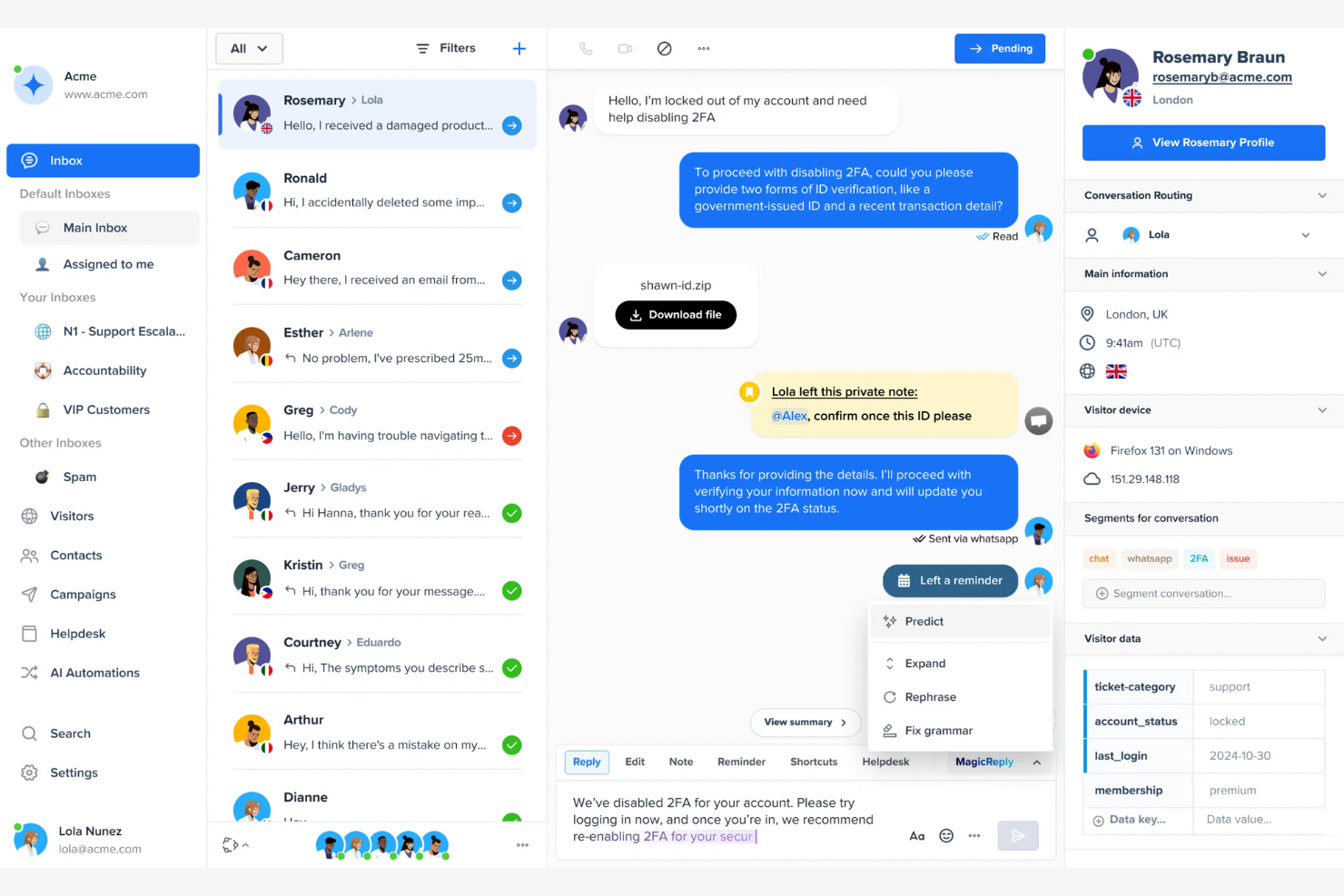
Crisp è una piattaforma di messaggistica per clienti che aiuta i team di supporto e vendita a coinvolgere gli utenti e a gestire il servizio clienti.
Perché Crisp è una buona alternativa a Intercom: Crisp offre agenti IA personalizzabili, consentendo al tuo team di adattare i chatbot per soddisfare esigenze specifiche. La funzione di chat dal vivo della piattaforma supporta il coinvolgimento in tempo reale, permettendo al tuo team di rispondere rapidamente alle richieste dei clienti. La casella di posta condivisa di Crisp combina più canali di comunicazione in un'unica interfaccia, facilitando la gestione delle conversazioni da parte del tuo team. Inoltre, la sua funzione di base di conoscenza ti aiuta a creare una sezione di domande frequenti in cui i clienti possono trovare autonomamente le risposte.
Funzionalità e integrazioni distintive:
Le funzionalità includono una chat video integrata che consente al tuo team di interagire faccia a faccia con i clienti e migliorare la comunicazione. Gli strumenti di navigazione condivisa permettono ai membri del team di navigare in un sito web insieme ai clienti per fornire assistenza pratica. La funzione di navigazione magica offre informazioni sul comportamento dei clienti in tempo reale.
Le integrazioni includono WordPress, Slack, Shopify, Mailchimp, Facebook Messenger, WhatsApp, HubSpot e altro.
Pros and Cons
Pros:
- Funzione di casella di posta condivisa
- Creazione di una base di conoscenza
- Opzione di chat video
Cons:
- Limitazioni dell'app mobile
- Supporto linguistico limitato

Pylon
Ideale per il supporto omnicanale
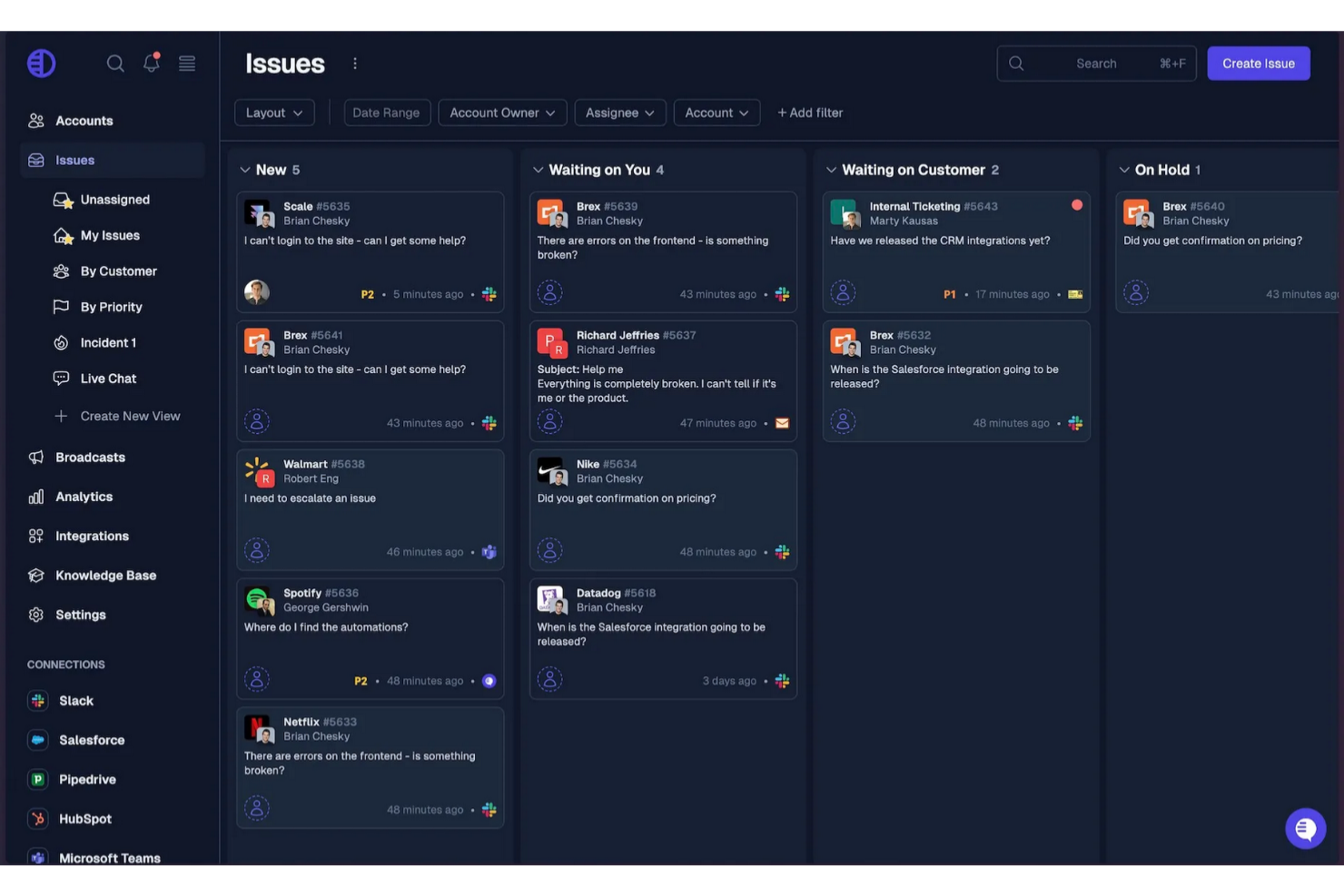
Pylon è una piattaforma di assistenza clienti che aiuta i team a gestire le interazioni su più canali, migliorando il servizio e la comunicazione.
Perché Pylon è una buona alternativa a Intercom: Pylon offre un supporto omnicanale, consentendo al tuo team di gestire le comunicazioni da diverse piattaforme in un unico posto. La sua casella di posta unificata permette al tuo team di rispondere alle richieste in modo efficiente senza dover passare da uno strumento all'altro. Inoltre, i suoi strumenti di reporting forniscono informazioni sulle interazioni con i clienti, aiutando il tuo team a migliorare la qualità del servizio.
Funzionalità e integrazioni principali:
Le funzionalità includono la gestione dei ticket, analisi in tempo reale e flussi di lavoro personalizzabili. La gestione dei ticket aiuta il tuo team a organizzare e stabilire la priorità delle richieste dei clienti. Le analisi in tempo reale forniscono informazioni sulle prestazioni del team e sulla soddisfazione dei clienti. I flussi di lavoro personalizzabili consentono al tuo team di automatizzare le attività di routine, migliorando l'efficienza.
Le integrazioni includono Slack, Salesforce, HubSpot, Microsoft Teams, Asana e altro ancora.
Pros and Cons
Pros:
- Solido supporto omnicanale
- Funzionalità di casella di posta unificata
- Flussi di lavoro personalizzabili
Cons:
- Prezzo per postazione più elevato
- Profondità limitata dei report

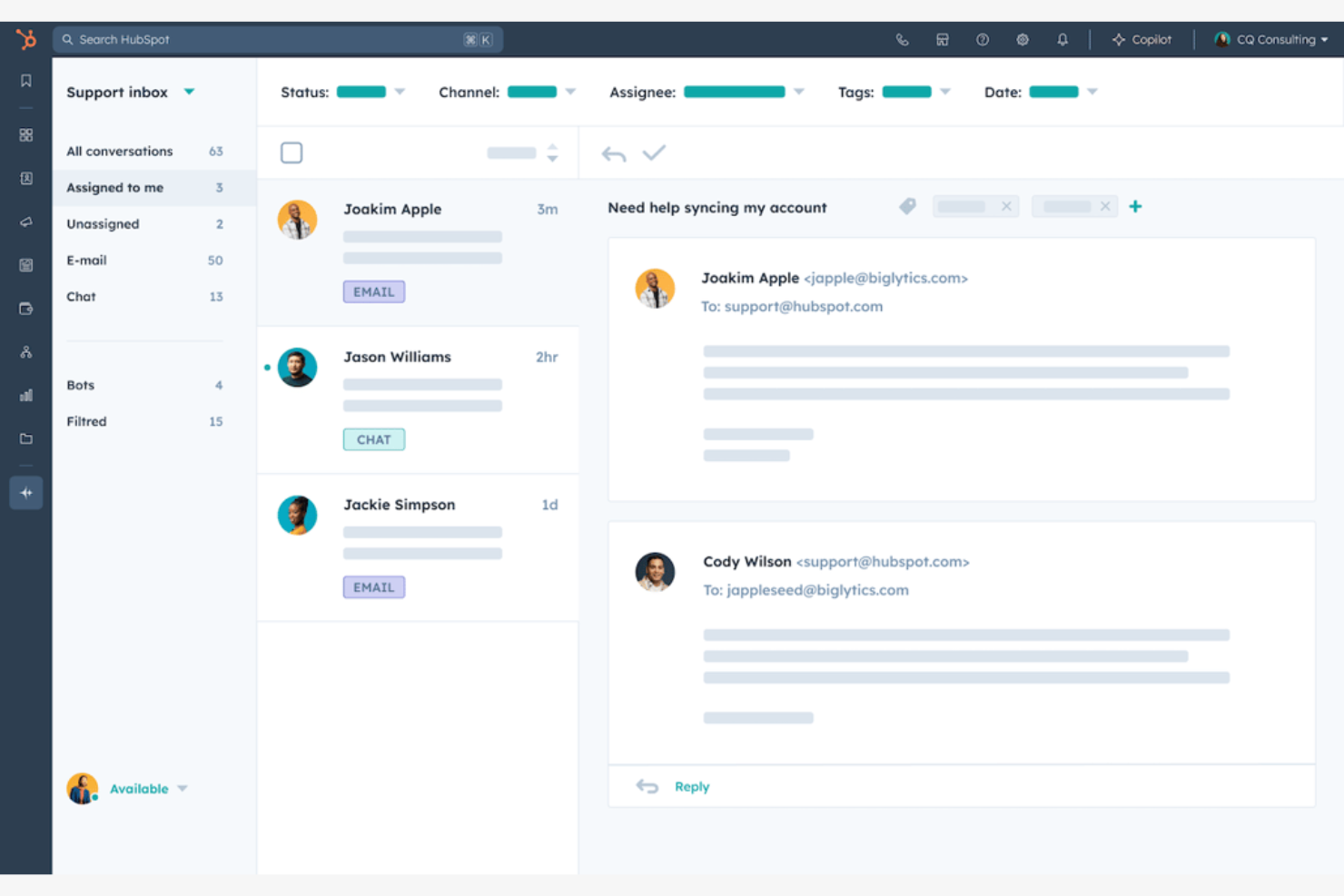
HubSpot Service Hub è una piattaforma di assistenza clienti incentrata sulla gestione dei ticket, sull'automazione e sui riscontri dei clienti, utilizzata dai team di supporto per gestire e migliorare le interazioni con i clienti.
Perché HubSpot Service Hub è una valida alternativa a Intercom: HubSpot Service Hub offre un'integrazione fluida con gli altri strumenti HubSpot, garantendo al tuo team un'esperienza completa in un'unica piattaforma. Le sue funzionalità di automazione contribuiscono a ridurre le attività ripetitive. Inoltre, il sistema di gestione dei ticket supporta il monitoraggio e la risoluzione efficienti dei problemi.
Funzionalità e integrazioni principali:
Le funzionalità includono uno strumento per la creazione di una base di conoscenza che aiuta il tuo team a creare una raccolta di articoli utili per i clienti. I sondaggi sui riscontri dei clienti della piattaforma forniscono informazioni sulla soddisfazione dei clienti e sulle aree di miglioramento.
Le integrazioni includono Salesforce, Slack, Shopify, Mailchimp, Microsoft Teams, SurveyMonkey, Eventbrite, Google Calendar, Facebook Messenger e altro ancora.
Pros and Cons
Pros:
- Integrazione fluida con gli strumenti HubSpot
- Sistema di gestione dei ticket
- Creazione di una base di conoscenza
Cons:
- Dipendenza dall'ecosistema HubSpot
- Analisi avanzate limitate nei piani inferiori

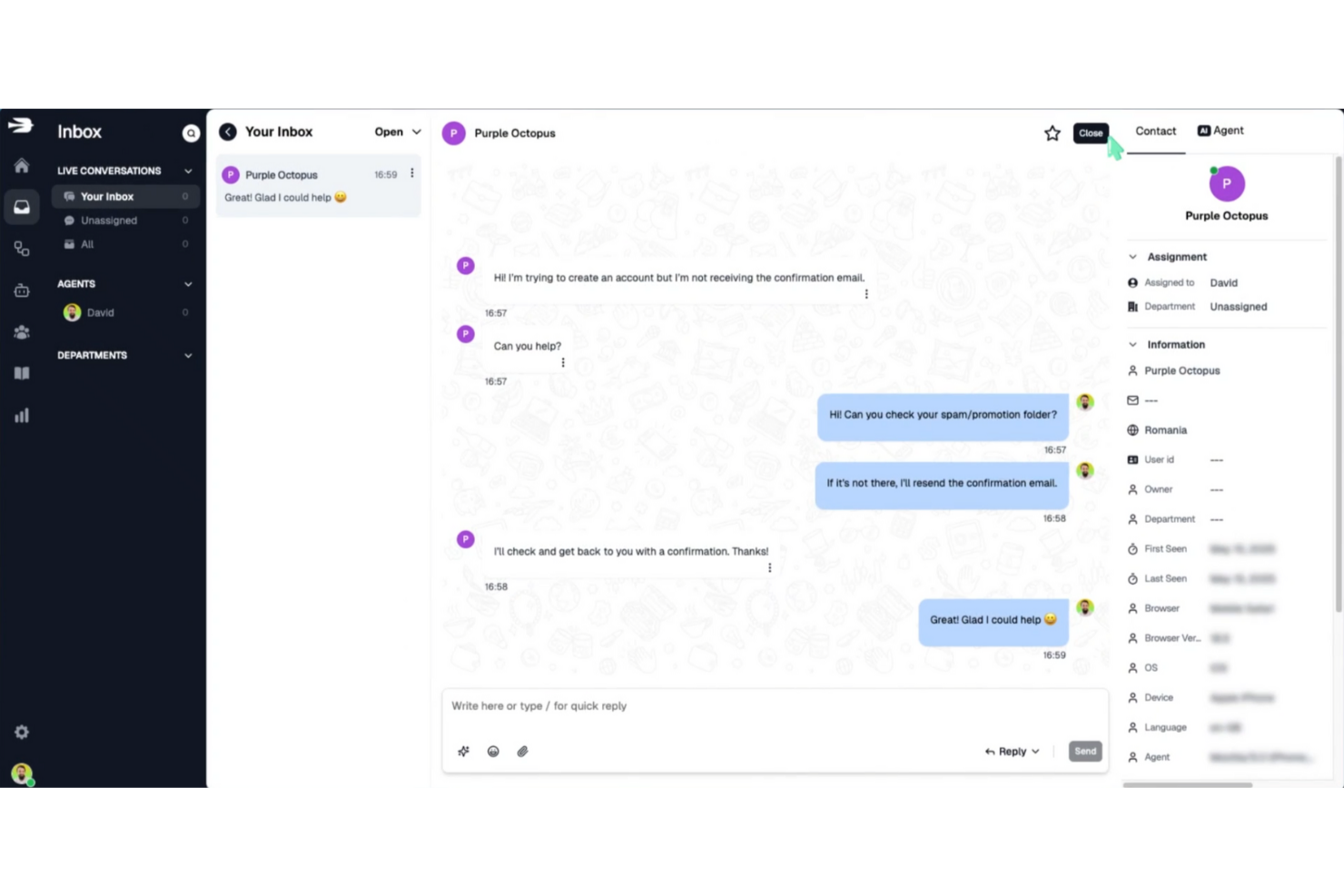
Chatabird è una piattaforma di assistenza clienti che combina chat dal vivo e automazione tramite IA, aiutando le piccole imprese a migliorare l'efficienza dell'assistenza e a ridurre i costi.
Perché Chatabird è una buona alternativa a Intercom: Chatabird offre una scalabilità conveniente, consentendo al tuo team di gestire conversazioni e utenti illimitati senza costi aggiuntivi. I suoi agenti IA sono personalizzabili e permettono al tuo team di automatizzare le risposte e ridurre il carico di lavoro. L'automazione dei flussi di lavoro della piattaforma rende più efficienti le attività di assistenza, migliorando i tempi di risposta e la soddisfazione dei clienti. Inoltre, Chatabird fornisce analisi dettagliate per monitorare le prestazioni del team e ottimizzare le operazioni.
Funzionalità e integrazioni principali:
Le funzionalità includono strumenti per la base di conoscenza che consentono al tuo team di creare risorse autonome per i clienti e ridurre il volume delle richieste di assistenza. La funzionalità di chat dal vivo di Chatabird consente di interagire con i clienti in tempo reale e migliora la qualità del servizio.
Le integrazioni includono Shopify, Slack, Facebook, Instagram, WhatsApp, Mailchimp, Google Analytics e WordPress.
Pros and Cons
Pros:
- Agenti IA personalizzabili
- Conversazioni e utenti illimitati
- Automazione dei flussi di lavoro
Cons:
- Curva di apprendimento per l'automazione tramite IA
- Ecosistema più limitato
Recensione delle migliori alternative a Intercom
Ecco alcune alternative aggiuntive a Intercom che non sono state incluse nel mio elenco, ma che vale comunque la pena prendere in considerazione:


Come valuto le alternative a Intercom
Esamino le alternative a Intercom attraverso due prospettive: i requisiti di base come la live chat, la gestione dei ticket e l’instradamento dei bot; quindi i fattori di differenziazione come la possibilità di auto-ospitarsi, la profondità dell’API e la struttura dei prezzi.
Funzionalità principali (i requisiti minimi per questa lista)
Quando seleziono gli strumenti per la mia lista, valuto ciascuno su una scala da 0 (non offre la funzionalità) a 5 (eccelle in quest'area) per ognuna delle funzionalità principali elencate di seguito. Poi calcolo il punteggio totale dello strumento in percentuale. Ogni strumento deve raggiungere un punteggio minimo totale del 65% per essere preso in considerazione.
- Live chat & messaggistica: Verifico la presenza di chat in tempo reale su web, mobile ed email con una cronologia delle conversazioni persistente, non solo un semplice widget pop-up.
- Gestione ticket & helpdesk: Ogni strumento dovrebbe offrire assegnazione dei ticket, tracciamento SLA e caselle di posta condivise, così che i team IT possano gestire le code oltre una singola conversazione.
- Chatbot AI & automazione: Valuto se i bot sono in grado di gestire una triage multi-step, ad esempio instradare un reset di password rispetto a un allarme di interruzione, senza regole manuali per ogni scenario.
- Integrazioni sviluppatore & IT: Connessioni native con strumenti come Jira, Slack, GitHub e PagerDuty sono importanti, insieme a un’API pubblica e al supporto per webhook.
- Knowledge base & self-service: Un centro assistenza integrato con ricerca e articoli categorizzati offre agli utenti finali un modo per risolvere problemi comuni prima di aprire un ticket.
- Dati cliente & segmentazione: Il tracciamento degli attributi e degli eventi utente permette di indirizzare i messaggi, ad esempio notificando solo gli account interessati durante un degrado del servizio.
Una volta che ho una lista di strumenti che soddisfano questi criteri, considero cosa distingue ciascuna piattaforma.
Fattori differenzianti (cosa distingue i fornitori)
Ecco come confronto e metto a confronto i diversi fornitori:
Funzionalità distintive
L’auto-ospitato è fondamentale per i team che gestiscono dati infrastrutturali sensibili, quindi verifico se una piattaforma può essere eseguita sui propri server o su un cloud privato. Un codice sorgente open source va oltre, consentendo ai team di ingegneria di revisionare il codice e creare estensioni personalizzate. Valuto anche la messaggistica proattiva in-app: strumenti che attivano banner sugli incidenti o note di rilascio in base al comportamento degli utenti tengono la coda del supporto libera da domande ripetitive.
Oltre le funzionalità
La struttura dei prezzi conta molto quando si passa da Intercom, quindi verifico se le piattaforme fanno pagare per utente, per conversazione o in base al volume MAU. Il supporto per la migrazione è un altro aspetto che considero: importare anni di cronologia delle conversazioni, macro e dati di contatto in un nuovo strumento può rallentare l’implementazione se non ci sono strumenti dedicati o assistenza per l’onboarding. Vale anche la pena di verificare le certificazioni di sicurezza e conformità come SOC 2 Type II e la preparazione al GDPR, soprattutto per i team che gestiscono dati relativi a incidenti o richieste IT interne.
Perché cercare un'alternativa a Intercom?
Sebbene Intercom sia una buona scelta come piattaforma di assistenza clienti, esistono diversi motivi per cui alcuni utenti cercano soluzioni alternative. Potresti cercare un'alternativa a Intercom perché:
- Hai bisogno di prezzi più convenienti
- Il tuo team richiede una personalizzazione avanzata
- Cerchi una configurazione iniziale più semplice
- Hai bisogno di una migliore integrazione con gli strumenti esistenti
- La tua azienda opera in aree geografiche non supportate da Intercom
- Desideri opzioni di scalabilità più flessibili
Se ti riconosci in una di queste situazioni, sei nel posto giusto. Il mio elenco contiene diverse opzioni di piattaforme di assistenza clienti più adatte ai team che affrontano queste difficoltà e cercano soluzioni alternative.
Funzionalità principali di Intercom
Ecco alcune delle caratteristiche principali di Intercom, per aiutarti a mettere a confronto ciò che offrono le soluzioni alternative:
- Agente IA: automatizza le risposte alle richieste dei clienti.
- Posta in arrivo condivisa: centralizza tutte le comunicazioni con i clienti in un unico posto, per facilitarne l'accesso.
- Supporto omnicanale: gestisce le interazioni attraverso vari canali, come e-mail, chat e social media.
- Centro assistenza: offre ai clienti un'opzione self-service per trovare autonomamente le risposte.
- Flussi di lavoro: automatizza le attività ripetitive per migliorare l'efficienza del team e i tempi di risposta.
- Reportistica: offre informazioni sulle prestazioni del team e sugli indicatori della soddisfazione dei clienti.
- Hub della conoscenza: centralizza le informazioni per aiutare il tuo team a rimanere aggiornato ed efficiente.
- Comunicazione in uscita: consente di coinvolgere proattivamente i clienti attraverso campagne.
- Copilot: assiste gli agenti con informazioni e raccomandazioni basate sull'IA durante le interazioni.
Prossimi passi:
Se stai cercando una piattaforma per il servizio clienti, contatta gratuitamente un consulente di SoftwareSelect per ricevere consigli.
Compili un modulo e fai una breve conversazione, durante la quale il consulente approfondirà le tue esigenze specifiche. Poi riceverai una selezione ristretta di software da valutare. Ti accompagnerà anche durante l'intero processo di acquisto, comprese le negoziazioni sul prezzo.