
Las 10 mejores herramientas gratuitas de gestión de requisitos analizadas en 2026

Lista de las mejores herramientas gratuitas de gestión de requisitos


Navegar por las herramientas de gestión de requisitos puede ser complicado cuando se dispone de un presupuesto limitado. Si tienes un presupuesto ajustado, necesitas una solución gratuita que ayude a tu equipo a mantenerse organizado, documentar los requisitos con claridad y mantener los proyectos encaminados sin añadir nuevos costes.
Las herramientas gratuitas de gestión de requisitos ofrecen formas estructuradas de registrar requisitos, mantener la trazabilidad y colaborar con tu equipo. La herramienta adecuada reduce la confusión, te ayuda a evitar requisitos omitidos y mantiene a todos alineados durante todo el ciclo de vida del proyecto.
En esta guía, he analizado una selección de herramientas gratuitas y con opción de prueba gratuita para ayudarte a entender qué ofrece cada opción y en qué se diferencian. Tanto si buscas algo sencillo para un equipo pequeño como una herramienta más especializada para trabajos técnicos, la lista siguiente te ayudará a acotar las mejores opciones para tus necesidades.
Por qué confiar en nuestras recomendaciones de software
Nuestro equipo lleva probando y evaluando software desde 2012. Como líderes tecnológicos, sabemos lo difícil —y lo importante— que es elegir el software adecuado.
Para esta guía, evaluamos las herramientas mediante pruebas prácticas e investigación independiente, puntuando las herramientas según nuestros criterios de selección.
Nuestras reseñas reflejan nuestro criterio editorial humano, no un discurso de ventas.
Revisores expertos:
Tabla comparativa de herramientas gratuitas de gestión de requisitos
Estos son los costes básicos de cada una de las herramientas que llegaron a mi lista:
| Tool | Best For | Trial Info | Price | ||
|---|---|---|---|---|---|
| 1 | La mejor opción para la visualización de cronogramas de proyectos | Plan gratuito disponible | Desde $7.25/usuario/mes (facturado anualmente) | Website | |
| 2 | Mejor para integración con seguimiento de incidencias | Plan gratuito para siempre disponible | Gratuito | Website | |
| 3 | Ideal para proyectos de código abierto | Demo gratuita disponible | Plan gratuito para siempre | Website | |
| 4 | Ideal para integración con .NET | Not available | Plan gratis para siempre | Website | |
| 5 | Ideal para usuarios de Eclipse | Not available | Plan gratuito para siempre | Website | |
| 6 | Mejor para arquitectura empresarial | Not available | Plan gratuito para siempre | Website | |
| 7 | Ideal para pruebas de aceptación Ágil | Not available | Plan gratuito para siempre | Website | |
| 8 | Ideal para la colaboración de equipos pequeños | Prueba gratuita de 14 días | Desde $510/usuario/año (facturado anualmente) | Website | |
| 9 | Ideal para el mapeo de dependencias de datos | Prueba gratuita y demostración disponibles | Precio bajo demanda | Website | |
| 10 | Ideal para requisitos de seguridad | Not available | Plan gratis para siempre | Website |
Análisis de las mejores herramientas gratuitas de gestión de requisitos
A continuación encontrarás mis resúmenes detallados de las mejores herramientas gratuitas de gestión de requisitos de mi lista. Mis análisis ofrecen una revisión exhaustiva de las funciones principales, ventajas & desventajas, integraciones y casos de uso ideales de cada herramienta, para ayudarte a encontrar la más adecuada para ti. Aunque algunas de estas herramientas ofrecen una versión completamente gratuita, otras ofrecen un periodo de prueba gratuito. He añadido una nota sobre qué es gratuito en cada uno de mis análisis.

La mejor opción para la visualización de cronogramas de proyectos

OpenProject es un software de gestión de proyectos diseñado para equipos y gestores de proyectos. Proporciona funciones para planificar, seguir y colaborar en proyectos, con un enfoque en la visualización de cronogramas.
Por qué elegí OpenProject: OpenProject no es un sistema de gestión de requisitos con todas las funcionalidades en su edición Community gratuita, pero hace un gran trabajo apoyando a los equipos que gestionan requisitos ligeros. Su línea de tiempo visual, los diagramas de Gantt y las herramientas de hojas de ruta ayudan a los equipos a planificar y monitorear el trabajo relacionado con los requisitos, incluso cuando las funciones específicas de gestión de requisitos están disponibles únicamente en versiones de pago.
Es una opción práctica para equipos que ya usan OpenProject para la gestión de proyectos y quieren un único entorno para coordinar tareas relacionadas con los requisitos.
Funciones e integraciones destacadas:
Funciones incluyen tableros ágiles que permiten a tu equipo gestionar tareas. La herramienta también ofrece seguimiento del tiempo, ayudándote a controlar cuánto duran las tareas. Además, OpenProject brinda funciones de presupuestación para asistir en la planificación financiera de tus proyectos.
Integraciones incluyen GitHub, GitLab, Jenkins, JIRA, Redmine, Slack, Microsoft Teams, Asana, Trello y Excel.
¿Qué es gratis?
OpenProject ofrece un plan gratuito para siempre con acceso a las funciones principales, pero limita algunas funcionalidades avanzadas y opciones de soporte.
Pros and Cons
Pros:
- Potente visualización de cronogramas
- Ofrece seguimiento del tiempo
- Incluye funciones de presupuestación
Cons:
- Requiere curva de aprendizaje
- Soporte básico en el plan gratuito

Redmine
Mejor para integración con seguimiento de incidencias
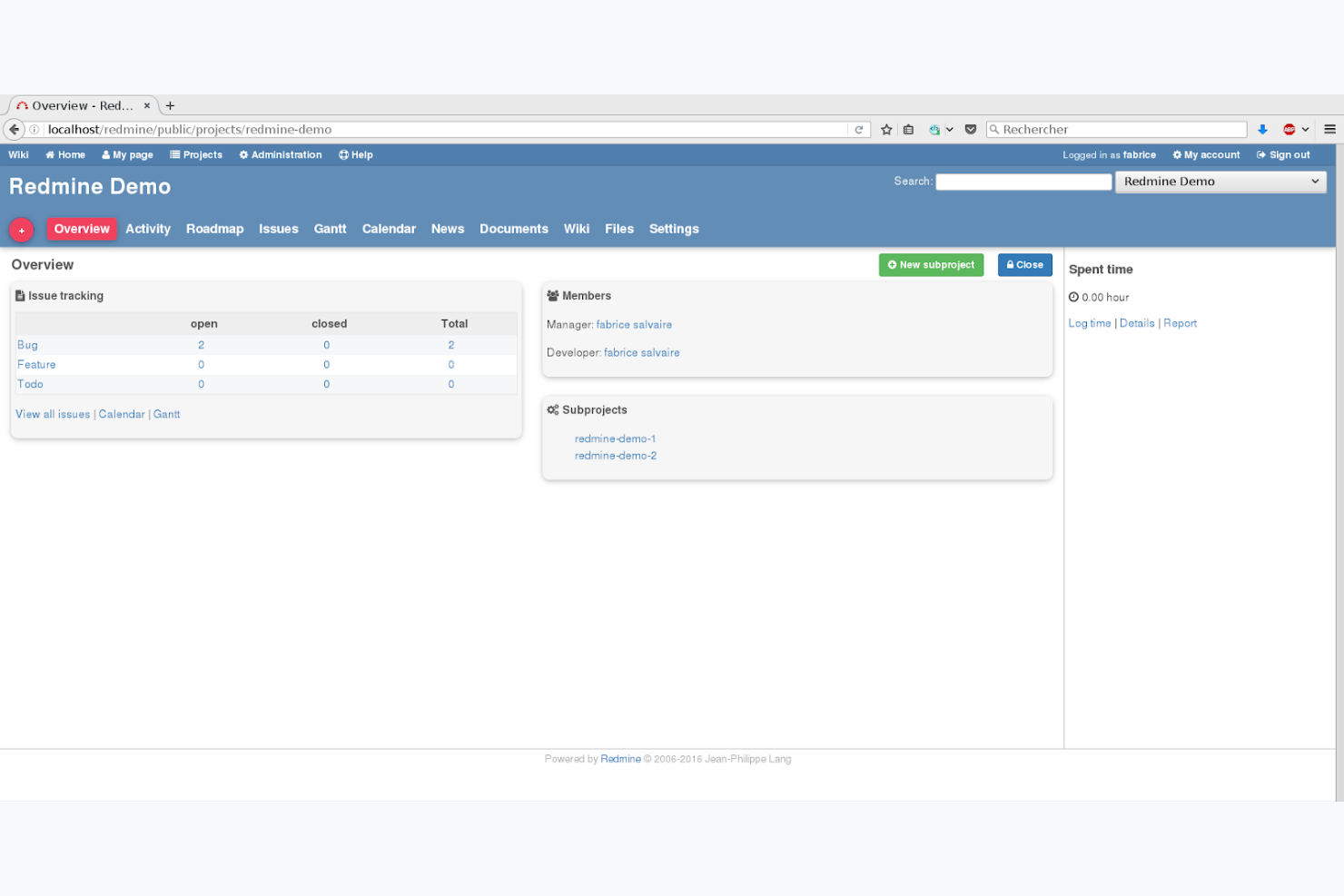
Redmine es una herramienta de gestión de proyectos de código abierto diseñada para equipos y desarrolladores. Permite el seguimiento de proyectos, la gestión de incidencias y la colaboración, ayudando a los equipos a mantenerse organizados y eficientes.
Por qué elegí Redmine: Redmine es otra alternativa que no es una solución tradicional de gestión de requisitos, pero los equipos aprovechan sus tipos de incidencias, campos personalizados y flujos de trabajo para almacenar y rastrear elementos relacionados con requisitos. Su fortaleza radica en ayudar a los equipos a conectar tareas tipo requisitos con incidencias, hitos y actividades de control de versiones.
Para los equipos que ya utilizan Redmine para el desarrollo o gestión de incidencias, adaptarlo para requisitos ligeros puede ser una manera sin coste de centralizar la información del proyecto.
Funciones destacadas e integraciones:
Entre las funciones se incluye el seguimiento de tiempo, que ayuda a tu equipo a monitorizar el tiempo dedicado a tareas y proyectos. Redmine también ofrece control de acceso basado en roles, lo que permite gestionar permisos y accesos dentro de tu equipo. Además, permite campos personalizados, adaptando el software a los requisitos específicos de tu proyecto.
Las integraciones incluyen Git, SVN, CVS, Bazaar, Mercurial, Darcs, Bitbucket, GitHub y Jenkins.
¿Qué es gratis?
Redmine ofrece un plan gratuito para siempre sin restricciones de usuarios ni de funciones, haciéndolo accesible para equipos de cualquier tamaño.
Pros and Cons
Pros:
- Permite múltiples proyectos
- Incluye control de acceso basado en roles
- Ofrece campos personalizados
Cons:
- Diseño de interfaz anticuado
- Se requiere configuración avanzada


OSRMT es una herramienta de gestión de requisitos de código abierto diseñada para desarrolladores de software. Ayuda a definir y gestionar los requisitos de software a lo largo del ciclo de vida del desarrollo del producto.
Por qué elegí OSRMT: OSRMT es una de las pocas herramientas de código abierto construidas para el seguimiento integral de requisitos. Ofrece trazabilidad a lo largo del ciclo de vida, lo que la hace atractiva para equipos que prefieren entornos autoalojados o personalizables. Al ser completamente de código abierto, los equipos pueden ampliarla o adaptarla a su flujo de trabajo de desarrollo sin restricciones de licencias.
Funciones destacadas e integraciones:
Las características incluyen trazabilidad completa del ciclo de vida del desarrollo de software, permitiéndote rastrear los requisitos desde la fase de diseño inicial hasta las pruebas. La configurabilidad de la herramienta te permite adaptarla a las necesidades específicas de tu proyecto. Además, la naturaleza de código abierto de OSRMT significa que puedes modificar la herramienta para que se ajuste a tu proceso de desarrollo.
Integraciones incluyen GitHub, Jenkins, Eclipse, Subversion y Bugzilla.
¿Qué es gratis?
OSRMT ofrece un plan gratuito para siempre sin límites de usuarios, pero requiere autoalojamiento e instalación.
Pros and Cons
Pros:
- Sin límites de usuarios
- Rastrea todo el ciclo de vida del desarrollo
- Alojamiento propio gratuito
Cons:
- Requiere configuración de autoalojamiento
- Sin alojamiento en la nube


Concordion.Net es un marco de pruebas diseñado para desarrolladores y testers de .NET. Facilita la creación de especificaciones ejecutables, uniendo la documentación y las pruebas dentro de los entornos .NET.
Por qué elegí Concordion.Net: Concordion.Net extiende el enfoque de Concordion al ecosistema .NET, permitiendo que los equipos expresen criterios de aceptación como especificaciones ejecutables legibles para humanos. Aunque no gestiona los requisitos directamente, algunos equipos utilizan estos documentos vivos para capturar y validar la intención de los requisitos.
Esto hace que Concordion.Net sea atractivo para los equipos .NET que desean un vínculo estrecho entre la intención del requisito y la ejecución automatizada de pruebas.
Funciones y integraciones destacadas:
Entre las funciones se incluye la posibilidad de redactar especificaciones en lenguaje sencillo, lo que hace que la documentación de pruebas sea más fácil de leer y mantener. Concordion.Net admite documentación en vivo, manteniendo tus pruebas alineadas con los requisitos más recientes del proyecto. Además, ofrece extensibilidad, permitiéndote mejorar sus capacidades para adaptarlas a tus necesidades.
Las integraciones incluyen NUnit, SpecFlow, Visual Studio, Jenkins, TeamCity, Azure DevOps, GitHub Actions, Bitbucket Pipelines y Travis CI.
¿Qué es gratis?
Concordion.Net ofrece un plan gratuito para siempre con acceso a todas las funcionalidades principales, sin restricciones de usuarios ni de tiempo.
Pros and Cons
Pros:
- Permite especificaciones ejecutables
- Fomenta una comunicación clara
- Proporciona documentación en vivo
Cons:
- Requiere experiencia en .NET
- No gestiona los requisitos directamente


ProR (Eclipse RMF) es una herramienta de gestión de requisitos de código abierto utilizada principalmente por desarrolladores de software e ingenieros. Facilita la gestión y el seguimiento de requisitos dentro del entorno de desarrollo Eclipse.
Por qué elegí ProR (Eclipse RMF): ProR es una buena opción para equipos de desarrollo que ya utilizan Eclipse porque les permite trabajar con los requisitos en el mismo entorno que sus herramientas de código y modelado. Su editor de requisitos estructurados admite ReqIF, lo que lo hace útil para intercambiar requisitos entre organizaciones o herramientas.
Esta estrecha integración con los flujos de trabajo de Eclipse lo hace práctico para equipos de ingeniería que buscan una solución de gestión de requisitos (RM) gratuita y extensible sin necesidad de adoptar una plataforma aparte.
Características destacadas e integraciones:
Las características incluyen funcionalidad de arrastrar y soltar que simplifica la gestión de requisitos. ProR admite vistas personalizables, lo que permite adaptar la visualización de la información según las necesidades del proyecto. Además, proporciona control de versiones, ayudando a rastrear los cambios en los requisitos a lo largo del tiempo.
Las integraciones incluyen Eclipse IDE, Git, SVN, Jenkins, Jira, Bugzilla, Redmine, Trac y GitHub.
¿Qué es gratis?
ProR (Eclipse RMF) ofrece un plan gratuito para siempre con acceso completo a sus funcionalidades principales, pero requiere un entorno Eclipse para funcionar.
Pros and Cons
Pros:
- Admite modelado de requisitos
- Ofrece funcionalidad de arrastrar y soltar
- Incluye control de versiones
Cons:
- Opciones de soporte limitadas
- Requiere conocimientos técnicos

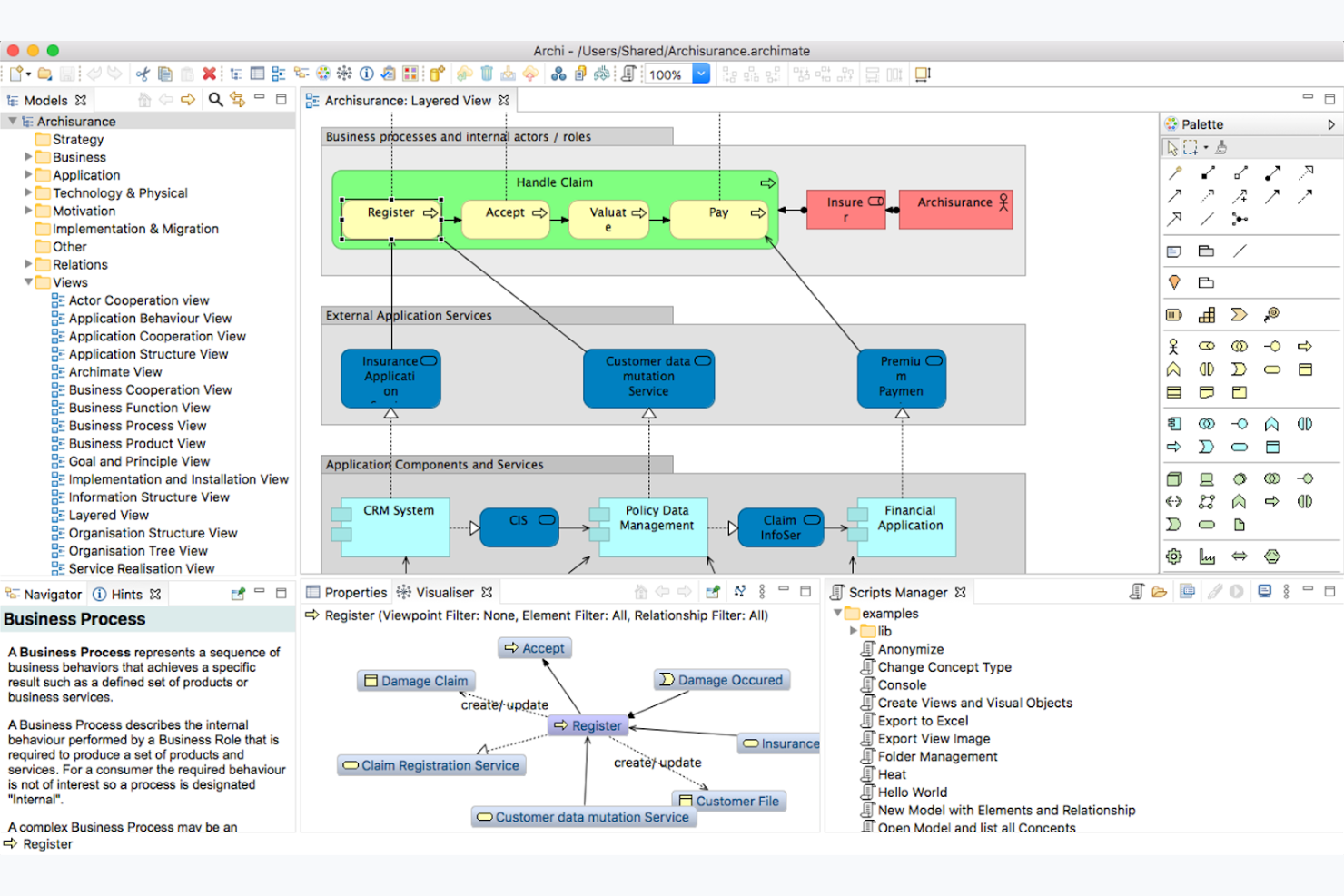
Archi es una herramienta de modelado de código abierto para arquitectos y planificadores empresariales. Ayuda a los usuarios a crear modelos ArchiMate para visualizar y gestionar diseños arquitectónicos.
Por qué elegí Archi: Archi no es una herramienta tradicional de gestión de requisitos, pero es útil para equipos que tratan los elementos arquitectónicos como “requisitos” estructurados dentro del trabajo de diseño de sistemas. Su soporte para modelado ArchiMate permite a los equipos expresar gráficamente restricciones, relaciones y reglas de negocio, complementando o informando la definición de requisitos.
Para equipos que realizan una planificación con alta carga arquitectónica, Archi ofrece una forma gratuita de mantener modelos visuales que apoyan las discusiones de requisitos sin necesidad de una plataforma completa de gestión de requisitos.
Características e integraciones destacadas:
Las características incluyen un lenguaje de scripting incorporado que permite a tu equipo automatizar tareas repetitivas. Archi también proporciona una función de lienzo para diagramación libre, permitiendo personalizar los diseños según los requisitos de tu proyecto. Además, ofrece validación de modelos para asegurar que tus diseños arquitectónicos cumplan con los estándares de la industria.
Las integraciones incluyen GitHub, GitLab, Google Drive, Dropbox, OneDrive y SharePoint.
¿Qué es gratis?
Archi ofrece un plan gratuito para siempre con acceso a sus funciones principales de modelado, sin limitaciones de usuarios ni de tiempo.
Pros and Cons
Pros:
- Ofrece scripting para automatización
- Incluye validación de modelos
- Diagramación libre disponible
Cons:
- La configuración inicial puede llevar tiempo
- Las funciones avanzadas requieren personalización


Concordion es un framework de pruebas de código abierto diseñado para desarrolladores y testers. Admite pruebas de aceptación Ágil al permitir que los usuarios escriban especificaciones ejecutables en lenguaje sencillo.
Por qué elegí Concordion: Concordion no es una herramienta de gestión de requisitos, pero su formato de especificación ejecutable respalda a los equipos que documentan los criterios de aceptación como una forma ligera de requisitos. Los equipos que practican el desarrollo basado en comportamiento o especificaciones pueden utilizar Concordion para validar requisitos mediante pruebas de aceptación automatizadas.
Es una opción útil donde los requisitos, la documentación y las pruebas están estrechamente vinculados, aunque no gestione requisitos en el sentido tradicional.
Características destacadas e integraciones:
Las características incluyen una sintaxis en lenguaje sencillo que facilita a tu equipo escribir y comprender las especificaciones. Concordion admite documentación viva, asegurando que los resultados de tus pruebas estén siempre actualizados junto con la documentación del proyecto. La herramienta también ofrece extensibilidad, permitiéndote personalizar y ampliar sus capacidades para adaptarse a tus necesidades de prueba.
Las integraciones incluyen JUnit, Maven, Gradle, Ant, IntelliJ IDEA, Eclipse y NetBeans.
¿Qué es gratis?
Concordion ofrece un plan gratuito para siempre con acceso a todas las funciones principales de pruebas, sin limitaciones de usuario ni de tiempo.
Pros and Cons
Pros:
- Compatible con pruebas Ágiles
- Ofrece documentación viva
- Framework extensible
Cons:
- Opciones de soporte limitadas
- Se requiere configuración manual

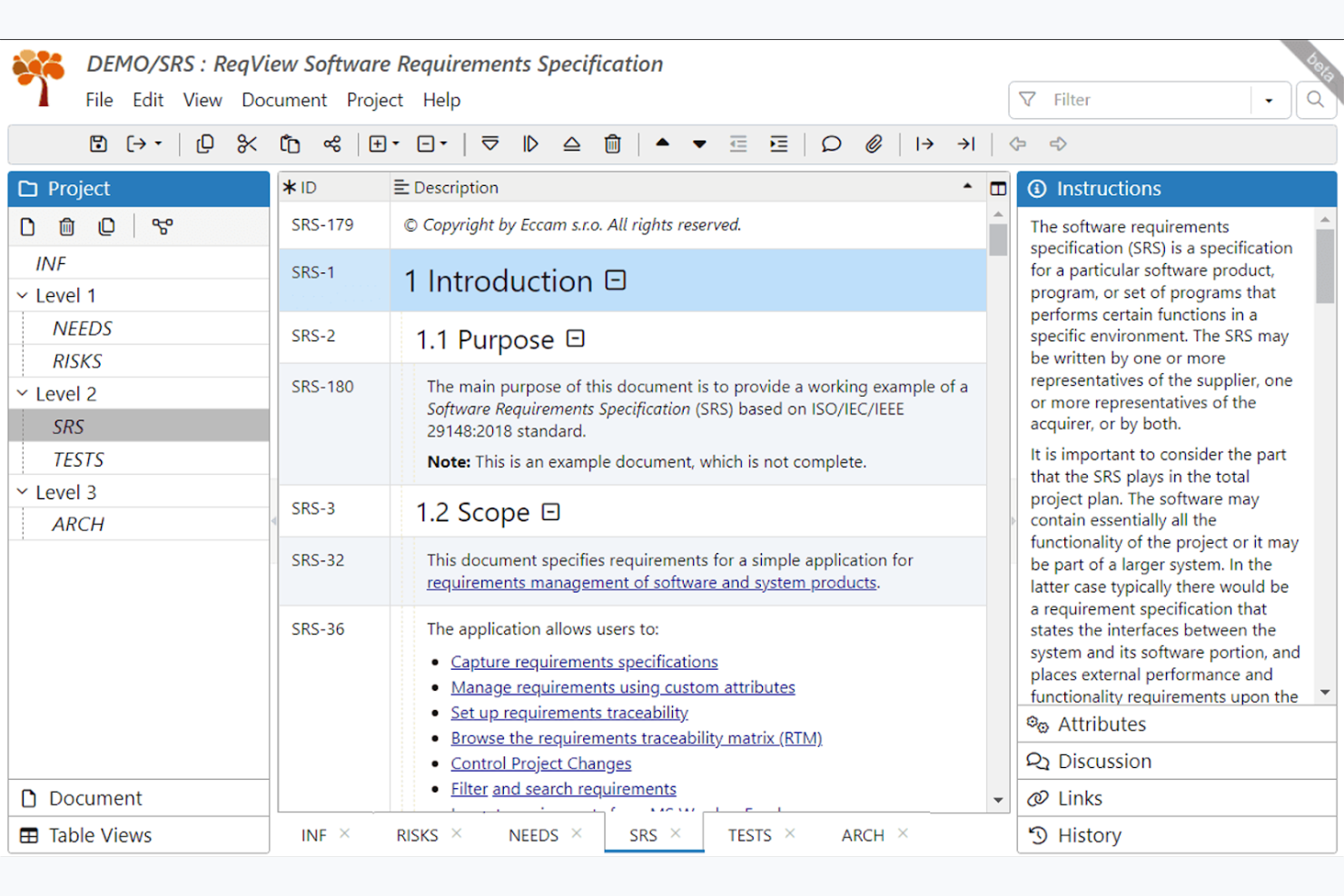
ReqView es una herramienta de gestión de requisitos diseñada para ingenieros de hardware y software. Ayuda a gestionar requisitos, riesgos y pruebas mientras asegura el cumplimiento de estándares críticos de seguridad.
Por qué elegí ReqView: ReqView ofrece una versión gratuita útil para equipos pequeños que necesitan documentación estructurada de requisitos y trazabilidad básica sin tener que recurrir a una herramienta empresarial compleja. La versión gratuita soporta jerarquías de requisitos, gestión de documentos y conexiones con control de versiones, haciéndola adecuada para proyectos donde importa la trazabilidad pero el equipo no necesita automatización avanzada.
Características destacadas e integraciones:
Características incluyen plantillas personalizables que permiten adaptar los documentos a las necesidades de tu proyecto. Puedes gestionar fácilmente requisitos, riesgos y pruebas para garantizar el cumplimiento de estándares industriales. La herramienta también proporciona trazabilidad de extremo a extremo, ayudando a tu equipo a rastrear cambios y mantener la integridad del proyecto.
Integraciones incluyen Jira, Sparx Systems Enterprise Architect, Git, Subversion y Microsoft Word.
¿Qué es gratis?
ReqView ofrece un plan gratuito para siempre con limitaciones en funciones como la edición de documentos y el número de atributos personalizados.
Pros and Cons
Pros:
- Permite el enlace estructurado de requisitos
- Plantillas personalizables
- Trazabilidad de extremo a extremo
Cons:
- Limitado a un documento
- Requiere renovación manual de licencia


Arovy es una herramienta de gobernanza de datos orientada principalmente a empresas que utilizan Salesforce. Potencia la eficacia de la IA mediante funciones como el análisis de impacto y la clasificación de datos.
Por qué elegí Arovy: Arovy es ante todo una plataforma de gobernanza de datos, y no una herramienta tradicional de gestión de requisitos. Sin embargo, resulta útil para equipos que necesitan visualizar dependencias entre sistemas. Sus vistas de análisis de impacto y linaje de datos apoyan a los equipos que consideran las relaciones de datos a nivel de sistema como ‘requisitos’ para aplicaciones posteriores.
Para organizaciones centradas en Salesforce, esto convierte a Arovy en una forma de mapear, revisar y validar dependencias ascendentes que influyen en las decisiones sobre requisitos, incluso si no es una solución de gestión de requisitos directa.
Funciones destacadas e integraciones:
Las funciones incluyen el seguimiento de cambios, que ayuda a tu equipo a monitorear actualizaciones en los proyectos. La detección de amenazas de la herramienta proporciona identificación proactiva y mitigación de riesgos. Además, Arovy ofrece monitoreo de seguridad de aplicaciones para mantener tus datos protegidos.
Las integraciones incluyen Salesforce, Slack, Microsoft Teams, Google Workspace y GitHub.
¿Qué es gratis?
Arovy ofrece una prueba gratuita por tiempo limitado con acceso a sus funciones principales, aunque algunas funcionalidades avanzadas pueden estar restringidas.
Pros and Cons
Pros:
- Mapeo visual de requisitos
- Análisis de impacto avanzado
- Detección de amenazas proactiva
Cons:
- Funcionalidades avanzadas restringidas
- Requiere integración con Salesforce


CAIRIS es una herramienta diseñada para la ingeniería de requisitos de seguridad, utilizada por analistas de seguridad y desarrolladores. Permite modelar conceptos de seguridad y realizar evaluaciones de riesgos para mejorar la seguridad de los proyectos.
Por qué elegí CAIRIS: CAIRIS es excelente para modelar y gestionar requisitos de seguridad, lo que lo hace valioso cuando los proyectos deben incorporar el modelado de amenazas desde el principio. Permite a los equipos capturar personas, tareas, vulnerabilidades y riesgos en un solo lugar, lo que traduce la investigación de seguridad en requisitos estructurados.
Este enfoque en la ingeniería de seguridad lo convierte en una opción valiosa, aunque su interfaz y flujos de trabajo requieren cierto nivel técnico.
Funciones destacadas e integraciones:
Funciones incluyen el modelado de personas, que ayuda a tu equipo a comprender las interacciones de los usuarios y las posibles amenazas de seguridad. La herramienta admite el análisis de tareas para evaluar y mejorar los procesos de seguridad. Además, CAIRIS ofrece modelado de amenazas, permitiéndote identificar y mitigar riesgos de manera efectiva.
Integraciones incluyen GitHub, GitLab, JIRA y Slack.
¿Qué es gratis?
CAIRIS ofrece un plan gratis para siempre con acceso a sus funciones principales de seguridad, aunque algunas funcionalidades avanzadas pueden estar limitadas.
Pros and Cons
Pros:
- Incluye modelado de riesgos en la API
- Ofrece modelado de personas
- Admite análisis de tareas
Cons:
- Requiere conocimientos técnicos
- Requiere autoalojamiento
Otras herramientas de gestión de requisitos
Estas son algunas opciones adicionales de herramientas de gestión de requisitos que también ofrecen planes o pruebas gratuitas. Aunque estas herramientas no llegaron a mi lista, merece la pena echarles un vistazo:


Cómo evalúo las herramientas gratuitas de gestión de requisitos
Divido mi evaluación en criterios básicos—como la trazabilidad y el control de versiones—y diferenciadores que separan las herramientas diseñadas para flujos de trabajo de desarrollo reales de simples sustitutos de hojas de cálculo.
Funcionalidades clave (mínimos indispensables para esta lista)
Cuando selecciono herramientas para mi lista, califico cada una en una escala de 0 (no ofrece la funcionalidad) a 5 (destaca en este aspecto) para cada funcionalidad clave mencionada a continuación. Después, calculo la puntuación total de la herramienta como un porcentaje. Cada herramienta debe lograr una puntuación total mínima del 65% para ser considerada para su inclusión.
- Repositorio de requisitos: Busco almacenamiento estructurado con atributos personalizados, agrupación jerárquica y filtrado, para que los equipos puedan organizar cientos de especificaciones por módulo, prioridad o versión sin perder el control.
- Enlaces de trazabilidad: Cada herramienta debe permitirte vincular requisitos con artefactos posteriores como casos de prueba o historias de usuario, facilitando la identificación de brechas en la cobertura antes de cerrar un sprint.
- Control de versiones y registro de auditoría: Verifico si el historial de cambios incluye atribución de usuario y reversión de modificaciones, lo cual es importante cuando varios analistas revisan criterios de aceptación en proyectos superpuestos.
- Colaboración y flujos de revisión: Las herramientas obtienen mejores calificaciones cuando los interesados pueden comentar en línea, marcar aprobaciones y recibir notificaciones—en lugar de depender de correos electrónicos externos para coordinar la aprobación.
- Plan realmente gratuito: Evalúo si el nivel gratuito permite un uso real con las funciones esenciales, y no solo una prueba de 14 días que te bloquea antes de que completes tu primer ciclo de revisión.
- Importación/exportación e integraciones: La compatibilidad con formatos como CSV y Excel, además de la conexión con herramientas como Jira o Azure DevOps, determina qué tan bien una plataforma se integra en un flujo de trabajo de desarrollo existente.
Una vez que tengo una lista de herramientas que cumplen con estos criterios, considero qué distingue a cada plataforma.
Factores diferenciadores (lo que distingue a los proveedores)
Así es como comparo y contrasto a los distintos proveedores:
Características destacadas
Las capacidades de baseline y ramificación son importantes cuando tu equipo gestiona requisitos a través de versiones paralelas o variantes de producto. Busco herramientas que permitan crear una instantánea de un conjunto de requisitos en un hito, para luego ramificarlo en el siguiente sprint sin perder el original. Las bibliotecas de requisitos reutilizables también ahorran mucho tiempo, especialmente para equipos que repiten especificaciones similares en varios proyectos, como estándares de seguridad API o criterios de accesibilidad. Para entornos regulados, evalúo si una herramienta incluye plantillas preparadas para el cumplimiento vinculadas a normas como IEC 62304 o ISO 26262.
Más allá de las características
La transparencia del plan gratuito es algo que siempre evalúo minuciosamente: algunas herramientas limitan discretamente la cantidad de requisitos o proyectos, lo que solo descubres a mitad de la implementación. La seguridad y los controles de acceso también son importantes, especialmente los permisos basados en roles y los registros de auditoría para equipos que desarrollan software bajo supervisión regulatoria. También considero el camino de actualización. Una herramienta que obliga a una migración total de datos al superar el plan gratuito crea un riesgo innecesario, así que verifico si los proveedores permiten escalar a planes de pago manteniendo tu espacio de trabajo e historial intactos.
Cómo elegir una herramienta gratuita de gestión de requisitos
Las listas de funciones complejas y las estructuras de precios pueden dificultar la comprensión de lo que realmente obtienes con las herramientas gratuitas de gestión de requisitos. Para ayudarte a mantener el foco mientras avanzas en el proceso de selección del software, estos son algunos factores que debes tener en cuenta:
| Factor | Qué debes tener en cuenta |
|---|---|
| Alcance de la oferta gratuita | Comprueba qué incluye el plan gratuito. Asegúrate de que cubra las funciones esenciales que necesita tu equipo sin costes ocultos ni limitaciones importantes. |
| Escalabilidad | Considera si la herramienta puede crecer con tu equipo. Busca opciones que permitan actualizarla fácilmente a medida que tu proyecto o equipo se amplíe. |
| Integraciones | Asegúrate de que la herramienta se integre con otro software que utilices. Esto puede incluir herramientas de gestión de proyectos, plataformas de comunicación o software de desarrollo. |
| Facilidad de uso | Evalúa si la herramienta es intuitiva para tu equipo. Una interfaz fácil de navegar y con una curva de aprendizaje mínima es fundamental. |
| Colaboración | Busca funciones que faciliten el trabajo en equipo, como documentos compartidos o actualizaciones en tiempo real. Esto ayuda a mantener a todos informados. |
| Personalización | Determina si puedes adaptar la herramienta a tus necesidades. Los campos personalizados o las plantillas pueden ser beneficiosos para requisitos específicos del proyecto. |
| Asistencia | Considera el nivel de asistencia disponible. El acceso a tutoriales, preguntas frecuentes o foros de la comunidad puede ser de gran ayuda cuando surgen problemas. |
| Seguridad | Evalúa las medidas de seguridad implementadas. Para proyectos sensibles, asegúrate de que la herramienta cumpla las normas necesarias de protección de datos. |
¿Qué son las herramientas gratuitas de gestión de requisitos?
Las herramientas de gestión de requisitos son productos que ayudan a los equipos a definir, gestionar y realizar un seguimiento de los requisitos de los proyectos. Normalmente ofrecen planes gratuitos o periodos de prueba, con funciones principales disponibles sin coste. Estas herramientas suelen ser utilizadas por directores de proyectos, desarrolladores y analistas de negocio para garantizar que los objetivos del proyecto se cumplan de manera eficiente. Aportan valor al organizar y mantener la claridad sobre las necesidades del proyecto, facilitar la comunicación y reducir los errores. Funciones como el seguimiento de requisitos, la gestión de la trazabilidad y las herramientas de colaboración ayudan a garantizar la alineación del proyecto y la coordinación del equipo.
Funciones
Repasemos las funciones que suelen incluir las herramientas de gestión de requisitos y cuáles suelen estar incluidas en los planes gratuitos frente a los de pago.
Funciones habituales de las herramientas gratuitas de gestión de requisitos
- Seguimiento de requisitos: Permite supervisar y actualizar los requisitos del proyecto, garantizando que todos los miembros del equipo estén alineados.
- Gestión de la trazabilidad: Ayuda a vincular los requisitos con sus orígenes y a realizar un seguimiento de los cambios, manteniendo la coherencia durante todo el ciclo de vida del proyecto.
- Herramientas de colaboración: Facilitan la comunicación y el intercambio de información entre los miembros del equipo, fomentando el trabajo en equipo y la eficiencia.
- Gestión de documentos: Organiza los documentos del proyecto y garantiza un acceso y una recuperación sencillos cuando sea necesario.
- Informes básicos: Proporciona informes sencillos para ofrecer información sobre el progreso del proyecto y el estado de los requisitos.
Funciones habituales de las herramientas de pago de gestión de requisitos
- Análisis avanzado: Ofrece un análisis exhaustivo de los datos del proyecto, ayudando a los equipos a tomar decisiones informadas y optimizar los procesos.
- Plantillas personalizables: Permite crear plantillas adaptadas para satisfacer las necesidades específicas del proyecto y mejorar la eficiencia.
- Notificaciones automatizadas: Envía alertas sobre actualizaciones o cambios en los requisitos, manteniendo informados a los miembros del equipo en tiempo real.
- Integración con herramientas externas: Se conecta con otros programas, como herramientas de gestión de proyectos o de desarrollo, mejorando los flujos de trabajo y el intercambio de datos.
- Control de acceso basado en roles: Gestiona los permisos de los usuarios y garantiza que la información confidencial solo sea accesible para el personal autorizado.
Ventajas
La implementación de herramientas gratuitas de gestión de requisitos ofrece varias ventajas para tu equipo y tu empresa. Estas son algunas de las que puedes esperar:
- Ahorro de costes: Los planes gratuitos permiten que tu equipo gestione los requisitos sin la carga financiera, lo que los hace ideales para empresas emergentes o pequeñas empresas.
- Mayor alineación del equipo: Las vistas compartidas de los requisitos ayudan a los equipos a mantenerse coordinados durante las distintas etapas del proyecto, reduciendo los malentendidos y el trabajo repetido.
- Recuperación más sencilla de la información: Los documentos y enlaces de requisitos organizados ayudan a los equipos a encontrar rápidamente los detalles que necesitan a medida que los proyectos se vuelven más complejos.
- Mayor visibilidad: El seguimiento de requisitos y los informes básicos proporcionan información sobre el progreso del proyecto, ayudando a tu equipo a mantenerse en el camino correcto.
- Escalabilidad: Muchas herramientas gratuitas ofrecen la posibilidad de actualizar el plan a medida que crece tu equipo, garantizando que la herramienta siga satisfaciendo tus necesidades.
- Accesibilidad: Se puede acceder a las herramientas gratuitas basadas en la web desde cualquier lugar, lo que permite a los miembros del equipo trabajar a distancia o mientras se desplazan.
- Flexibilidad: Las funciones personalizables de los planes gratuitos permiten adaptar la herramienta a los requisitos específicos de tu proyecto y ofrecen soluciones personalizadas.
Costes y precios
Entiendo que has llegado a este artículo buscando las mejores opciones de herramientas de gestión de requisitos disponibles de forma gratuita. Sin embargo, como los planes gratuitos solo ofrecen funciones limitadas, es muy probable que en el futuro necesites ampliar tu plan.
La tabla siguiente resume los planes habituales, sus precios medios y las funciones que suelen incluir las soluciones de herramientas de gestión de requisitos:
Tabla comparativa de planes para herramientas de gestión de requisitos
| Tipo de plan | Precio medio | Características comunes |
|---|---|---|
| Plan gratuito | $0 | Seguimiento básico de requisitos, gestión de documentos y herramientas de colaboración. |
| Plan personal | $5-$20/user/month | Informes avanzados, opciones de personalización e integración con otras herramientas. |
| Plan empresarial | $25-$50/user/month | Gestión de varios proyectos, funciones de seguridad mejoradas y asistencia prioritaria. |
| Plan empresarial | $60-$150/user/month | Seguridad empresarial, controles de administración, flujos de trabajo personalizados y asistencia dedicada. |
Preguntas frecuentes sobre herramientas gratuitas de gestión de requisitos
Estas son algunas respuestas a preguntas frecuentes sobre las herramientas gratuitas de gestión de requisitos:
¿Cuáles son las limitaciones de las herramientas gratuitas de gestión de requisitos?
Las herramientas gratuitas de gestión de requisitos suelen tener limitaciones, como funciones restringidas, almacenamiento limitado o un tope en el número de usuarios o proyectos. Algunas también carecen de opciones avanzadas, como paneles de trazabilidad de requisitos o informes de métricas más detallados, a menos que actualices el plan. Aunque proporcionan funciones básicas, es posible que encuentres opciones avanzadas bloqueadas tras planes de pago. Evalúa si la versión gratuita satisface las necesidades de tu equipo, especialmente si gestionas casos de prueba complejos o trabajas con varias partes interesadas.
¿Pueden las herramientas gratuitas de gestión de requisitos integrarse con otros programas?
Sí, muchas herramientas gratuitas de gestión de requisitos ofrecen integraciones básicas con programas populares, como herramientas de gestión de proyectos y comunicación. Algunas incluso se conectan con plataformas como ClickUp, herramientas Scrum o repositorios de código fuente. Sin embargo, la variedad de integraciones puede ser más limitada en comparación con las versiones de pago. Comprueba si la herramienta gratuita se integra con el software que tu equipo ya utiliza, especialmente si trabajas en entornos Linux o coordinas la recopilación de requisitos entre equipos.
¿Qué nivel de seguridad ofrecen las herramientas gratuitas de gestión de requisitos?
La seguridad puede variar entre las herramientas gratuitas. Aunque algunas pueden ofrecer cifrado básico y controles de acceso seguros, es posible que no proporcionen el mismo nivel de protección que las plataformas de pago. Esto es importante si tu equipo gestiona datos locales confidenciales o utiliza herramientas vinculadas a tus procesos de ALM. Evalúa las medidas de seguridad de cualquier herramienta que estés considerando, especialmente si gestionas datos confidenciales.
¿Cómo favorecen la colaboración las herramientas gratuitas de gestión de requisitos?
Las herramientas gratuitas suelen incluir funciones básicas de colaboración, como documentos compartidos, comentarios y asignación de tareas. Estas funciones ayudan a tu equipo a comunicarse y trabajar conjuntamente, aunque no sean tan avanzadas como las de los planes de pago. Algunas herramientas también admiten funciones de control de versiones, como mantener una línea base, lo que puede resultar útil cuando varios colaboradores actualizan los requisitos en diferentes proyectos. Ten en cuenta el nivel de colaboración que necesita tu equipo al elegir una herramienta.
¿Existen herramientas gratuitas de gestión de requisitos adecuadas para equipos grandes?
Algunas herramientas gratuitas pueden dar cabida a equipos grandes, pero pueden incluir limitaciones en cuanto a funciones o asistencia. Por ejemplo, las herramientas diseñadas para el software empresarial de gestión de requisitos pueden requerir planes de pago para ofrecer escalabilidad o controles administrativos adicionales. Si tu equipo es grande, asegúrate de que la herramienta pueda gestionar el número de usuarios y proyectos que prevés. Esto resulta importante cuando necesitas gestionar datos de gran volumen, como paneles o documentación de requisitos estructurada.
¿Cómo puedo garantizar una transición fluida a una herramienta gratuita de gestión de requisitos?
Para garantizar una transición fluida, busca herramientas que ofrezcan recursos de incorporación, como tutoriales, guías o asistencia de la comunidad. Las opciones que proporcionan flujos de trabajo estructurados de gestión de pruebas o permiten realizar un seguimiento preciso de los cambios en la línea base pueden reducir las dificultades durante la migración. Estos recursos pueden ayudar a tu equipo a adaptarse rápidamente al nuevo sistema, minimizando las interrupciones y maximizando la productividad, incluso si herramientas como Visure u otras forman parte de tu proceso de evaluación. Las soluciones que ayudan a agilizar la configuración y la importación de datos son útiles durante la incorporación.