


Resolve mod ServiceNow: Sammenligning og ekspertanmeldelser for 2026
Resolve og ServiceNow understøtter begge IT-servicestyring i virksomheder, men anvender forskellige tilgange. Sammenlign deres automatisering, funktioner til IT-servicestyring, priser og bedst egnede anvendelsestilfælde.

We review tools independently, and commissions help fund our testing. See our transparency policy, our methodology, or suggest a tool.
Service disruptions rarely come from one system alone. As IT environments grow across cloud, on-premises, observability, and service desk tools, teams need a clear way to manage incidents and automate what happens next.
If you’re comparing Resolve and ServiceNow, the challenge is that they approach IT service management differently. Resolve focuses on automation and orchestration across the tools you already use, while ServiceNow centers IT service management within its own platform ecosystem.
In this article, I compare their features, pricing, security, usability, and best use cases to help you choose the better fit.
Resolve
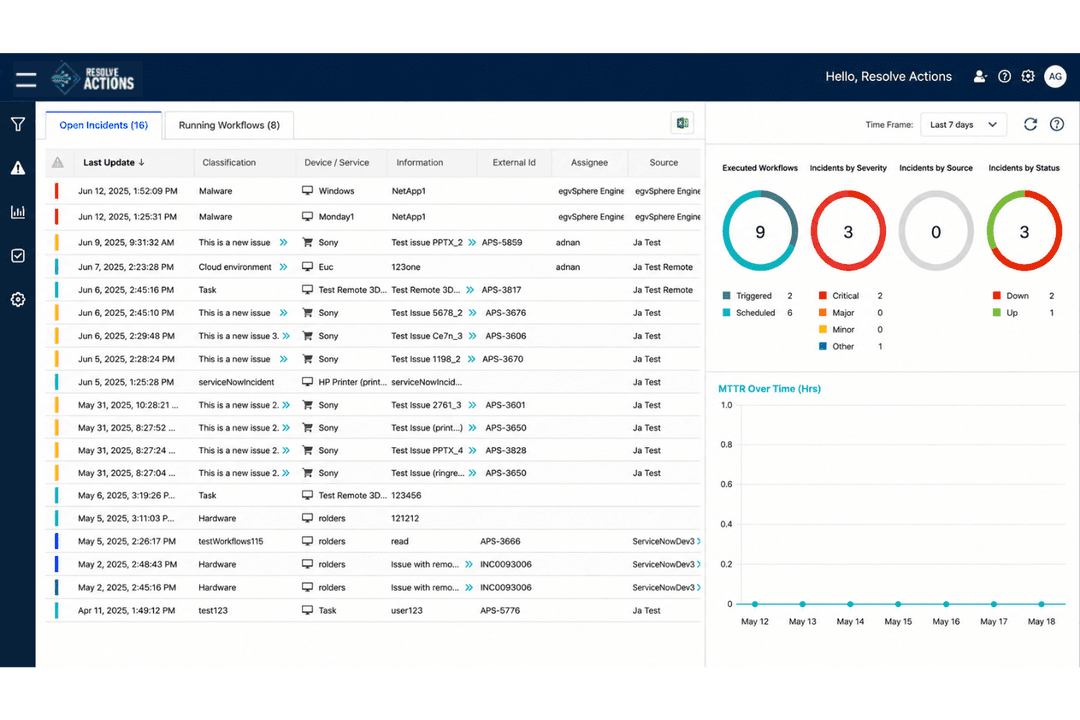
5/5
- Free demo available
- Pricing upon request
ServiceNow
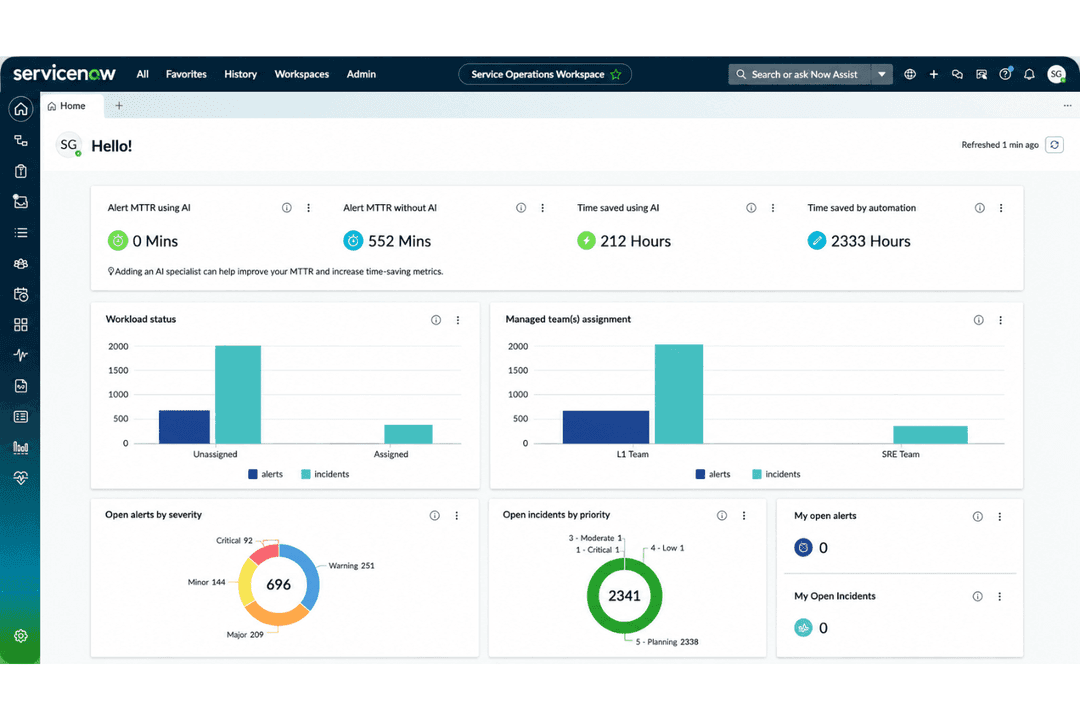
4.4/5
- Free demo available
- Pricing upon request
Why Trust Our Software Recommendations
6,700+
Reviews
20
Industry experts
16+
Evaluation factors
14
Years
Our team has been testing and reviewing software since 2012. As tech leaders ourselves, we know how difficult—and important—it is to choose the right software.
For this guide, we evaluated tools using hands-on testing and independent research, scoring tools using our selection criteria.
Our reviews reflect our human editorial judgment, not a sales pitch.
Expert reviewers:
- Paulo Gardini MiguelTech Director
 Tim FisherVP of AI
 Gabriel RosasTech Lead & Software Architect
 Christhian GruhnTech Lead & Platform Architect

| Resolve | ServiceNow | |
|---|---|---|
| Free Trial | Free demo available | Free demo available |
| Pricing | Pricing upon request | Pricing upon request |
Resolve vs. ServiceNow-priser og skjulte omkostninger
Resolve bruger tilpassede, faste priser uden gebyrer pr. bruger, ticket, arbejdsgang eller AI-token, hvilket gør omkostningerne mere forudsigelige, efterhånden som automatiseringen skaleres. ServiceNow bruger også tilpassede priser, men AI-anvendelse kan medføre forbrugsbaserede omkostninger ud over udgifter til software, implementering og konfiguration. Ingen af leverandørerne offentliggør præcise priser, så du skal bruge et skræddersyet tilbud.
Den største forskel er, hvordan omkostningerne kan vokse efter implementeringen. Resolve inkluderer professionelle tjenester til de første fem anvendelsesområder eller agenter og leverer tusindvis af forudbyggede automatiseringer, mens ServiceNow kan kræve yderligere konfiguration, rådgivning og AI-forbrug, efterhånden som kravene udvides. Jeg ville sammenligne de samlede automatiseringsomkostninger over tid – ikke kun det oprindelige softwaretilbud.
| Resolve | ServiceNow | |
|---|---|---|
| API | Yes | Yes |
| Batch Permissions & Access | Yes | Yes |
| Contact Management | No | Yes |
| Data Export | Yes | Yes |
| Data Import | Yes | Yes |
| External Integrations | Yes | Yes |
| Notifications | Yes | Yes |
| Project Management | No | Yes |
| Workflow Management | Yes | Yes |
| Integration | Resolve | ServiceNow |
|---|---|---|
| IntegrationMicrosoft Teams | Resolve✅ | ServiceNow✅ |
| IntegrationSlack | Resolve✅ | ServiceNow✅ |
| IntegrationJira | Resolve✅ | ServiceNow✅ |
| IntegrationDatadog | Resolve✅ | ServiceNow✅ |
| IntegrationAWS | Resolve✅ | ServiceNow✅ |
| IntegrationAzure | Resolve✅ | ServiceNow✅ |
| IntegrationPagerDuty | Resolve✅ | ServiceNow✅ |
| IntegrationZoom | Resolve✅ | ServiceNow✅ |
| IntegrationOkta | Resolve✅ | ServiceNow✅ |
| IntegrationBMC Remedy | Resolve✅ | ServiceNow✅ |
| IntegrationAPI | Resolve✅ | ServiceNow✅ |
| IntegrationZapier | Resolve❌ | ServiceNow✅ |
Både Resolve og ServiceNow tilbyder stærke integrationsøkosystemer, men de bruger dem forskelligt. Resolve forbinder ITSM-, observerbarheds-, cloud-, netværks- og ældre systemer, så automatisering kan udføres på tværs af den eksisterende infrastruktur. ServiceNow bruger integrationer til at udvide arbejdsgange i sit service management-miljø. Samlet set lægger Resolve større vægt på orkestrering på tværs af systemer.
| Faktor | Resolve | ServiceNow |
|---|---|---|
| FaktorAdgangskontroller | ResolveBruger RBAC- og tilladelseskontroller til at begrænse adgangen til automatiserede handlinger og platformressourcer. | ServiceNowBruger RBAC, MFA, SSO, krypteringskontroller og sikkerhedspolitikker på platformniveau. |
| FaktorDatakryptering | ResolveBeskytter data under overførsel og i hvile ved hjælp af krypteringskontroller efter branchestandard. | ServiceNowKrypterer data under overførsel og i hvile med yderligere krypteringsmuligheder til følsomme virksomhedsdata. |
| FaktorLovgivningsmæssig compliance | ResolveUnderstøtter kravene i SOC 2, ISO 27001, GDPR, EU-US DPF, HIPAA/HITRUST og CCPA. | ServiceNowUnderstøtter større rammeværk, herunder ISO 27001, SOC 2, GDPR samt andre branche- og regionale standarder. |
| FaktorHosting og dataresidens | ResolveTilbyder regional hosting på AWS GovCloud og globale muligheder for dataresidens til regulerede og distribuerede organisationer. | ServiceNowTilbyder regionale hosting- og dataresidensmuligheder af hensyn til geografiske eller lovgivningsmæssige krav. |
| FaktorStyring af automatisering | ResolveBruger godkendelsesporte, revisionsspor, regler for tilbagerulning og politikstyring til at regulere automatiserede og AI-drevne handlinger. | ServiceNowTilbyder styrings- og politikfunktioner til arbejdsgange, AI og andre platformprocesser. |
Samlet set kombinerer Resolve stærk compliance-dækning med styringskontroller, der er udviklet til automatiserede og AI-drevne handlinger, herunder RBAC, godkendelser, regler for tilbagerulning, revisionsspor, AWS GovCloud-hosting og global dataresidens. ServiceNow kombinerer imens identitets-, krypterings-, hosting- og styringskontroller i sin platform. Begge løsninger egner sig til regulerede miljøer; Resolve lægger dog særlig vægt på at kontrollere, hvad automatisering og AI-agenter kan udføre på tværs af systemer.
| Faktor | Resolve | ServiceNow |
|---|---|---|
| FaktorBrugergrænseflade | ResolveFokuserer på automatiseringsarbejdsgange, agenter og driftsopgaver med lavkodeværktøjer til opbygning af processer. | ServiceNowTilbyder en meget konfigurerbar ITSM-grænseflade, selvom det brede udvalg af moduler kan give en stejlere læringskurve. |
| FaktorOpsætning | ResolveKompleksiteten afhænger af antallet og dybden af integrationerne, især i hybride miljøer. | ServiceNowKræver typisk mere planlægning og konfiguration på tværs af applikationer, arbejdsgange, roller og integrationer. |
| FaktorIntroduktion | ResolveOmfatter guidet introduktion, hvor professionelle tjenester hjælper med at konfigurere de første fem anvendelsestilfælde eller agenter. | ServiceNowTilbyder strukturerede implementeringsressourcer, eksperttjenester, partnere og anbefalede uddannelsesforløb til ITSM-teams. |
| FaktorSupport | ResolveTilbyder en supportportal, dokumentation, undervisningsressourcer og praktiske professionelle tjenester under introduktionen. | ServiceNowTilbyder dokumentation, undervisning, certificering, fællesskabsressourcer og support fra implementeringspartnere. |
| FaktorTilpasning | ResolveUnderstøtter kodefri/lavkode-arbejdsgange, AI-assisteret opbygning, API'er og automatisering med egen kode. | ServiceNowUnderstøtter konfigurerbare arbejdsgange og processer i det oprindelige ITSM-miljø. |
Hvad angår brugervenlighed kombinerer Resolve guidet introduktion, lavkode-opbygning af arbejdsgange og 5,000+ forudbyggede automatiseringer for at reducere arbejdet med at bygge fra bunden. ServiceNow kan imens kræve mere opsætning og platformsekspertise, fordi arbejdsgangene konfigureres i ITSM-miljøet. For teams, der fokuserer på automatisering på tværs af systemer, kan Resolve være hurtigere at tage i brug, mens ServiceNow egner sig til teams, der ønsker, at serviceprocesserne primært administreres i deres egen platform.
Resolve
- Orchestrates workflows across ITSM, observability, cloud, network, and legacy systems
- Combines deterministic workflows with governed AI agents for more predictable execution
- Uses flat pricing that avoids variable usage- or token-based automation costs
- No native ticketing, so teams still need a separate ITSM platform
- No built-in monitoring, requiring existing observability tools
- Smaller market presence than larger vendors like ServiceNow and BMC
ServiceNow
- Built-in policy management automates complex governance processes
- Detailed audit trails support regulatory and compliance needs
- Centralized dashboard provides clear visibility into AI workflows
- Advanced governance features require significant setup and training
- Pricing is not transparent for most AI-specific modules
- Custom automation can strain IT resources during deployment
Resolve
- Large EnterprisesOrganizations with large, complex IT environments can use Resolve to automate workflows across ITSM, cloud, infrastructure, and legacy systems.
- Financial ServicesBanks and financial institutions can automate incident response, access management, compliance workflows, and other processes where uptime and auditability matter.
- ManufacturingManufacturers can automate service requests, infrastructure remediation, and cross-system workflows across plants, sites, and enterprise systems.
- PharmaceuticalsPharmaceutical companies can use governed automation across regulated environments, including access, incident, infrastructure, and service workflows.
- RetailLarge retailers can automate IT operations across distributed stores, e-commerce systems, infrastructure, and service desks.
- TelecommunicationsTelecom teams managing large networks and hybrid environments can automate operational workflows, remediation, and service processes across multiple systems.
ServiceNow
- Financial ServicesServiceNow’s deep audit trails and policy automation help meet strict regulatory requirements for banking and insurance operations.
- Healthcare OrganizationsCentralized governance and compliance workflows support HIPAA needs and ensure patient data protection.
- Global EnterprisesServiceNow scales well for globally distributed teams needing unified oversight and secure model management.
- Government AgenciesBuilt-in controls and policy management align with complex government information technology standards and public sector risk controls.
- IT DepartmentsIntegrated governance in ITSM workflows makes ServiceNow a natural fit for teams already using incident and change management.
- Data Science LeadersCentralized model tracking and risk scoring make software development teams and AI leaders more efficient at cross-team collaboration and regulatory reporting.
Hvem bør bruge Resolve, og hvem bør bruge ServiceNow?
Resolve egner sig bedst til store virksomheder med komplekse hybride miljøer, der har brug for automatisering på tværs af ITSM, observerbarhed, cloud, netværk og ældre systemer. Det er især nyttigt for IT-driftsteams og servicedesk-teams, der ønsker at reducere antallet af sager, automatisere afhjælpning og koordinere handlinger på tværs af eksisterende værktøjer uden at erstatte deres ITSM-platform.
ServiceNow egner sig imens til organisationer, der ønsker indbygget ticketing, servicearbejdsgange, styring og processer på tværs af afdelinger samlet i én ITSM-platform. Det kan fungere godt i regulerede miljøer, hvor centraliserede serviceregistre og kontroller er vigtige. I sidste ende ville jeg vælge Resolve til dybere automatisering på tværs af systemer og ServiceNow, når indbygget ITSM-styring er førsteprioriteten.
| Resolve | ServiceNow | |
|---|---|---|
| Automation Model | Resolve Combines governed AI agents with deterministic workflows for repeatable, predictable execution. | ServiceNow Uses agentic AI and workflow automation across incident, request, change, and other service processes. |
| Cross-System Resolution | Resolve Executes remediation across multiple tools, letting agents diagnose issues and trigger approved actions end to end. | ServiceNow Automates service workflows primarily within the Now Platform and its connected applications. |
| Implementation Approach | Resolve Includes 5,000+ prebuilt workflows and activities that can reduce build-from-scratch configuration. | ServiceNow Often requires more configuration and customization across its broader platform and modules. |
| Pricing Model | Resolve Uses flat pricing without per-user, per-ticket, per-workflow, or AI token fees. | ServiceNow Uses custom pricing, with AI consumption measured through allocated assists. |
| Primary Platform Role | Resolve Acts as an automation and orchestration layer across existing ITSM, cloud, network, observability, and legacy systems. | ServiceNow Acts as a native ITSM platform and system of record for managing service operations. |
| APIs & Integrations | Both provide integrations and API access for connecting ITSM, cloud, collaboration, identity, and infrastructure tools. |
|---|---|
| Employee Self-Service | Both provide visual or low-code tools for building workflows that reduce manual work and speed up service resolution. |
| Enterprise Focus | Both are built for large organizations managing complex IT environments, distributed systems, and high service volumes. |
| Governance Controls | Both support permissions, approvals, and policy controls to manage how users and automated processes interact with enterprise systems. |
| Hybrid IT Support | Both support IT operations across cloud, on-premises, and other enterprise infrastructure environments. |