


Oracle Hybrid Cloud-recension 2026: Fördelar, nackdelar, funktioner och priser



Oracle Hybrid Cloud is a cloud computing platform for organizations that need to bridge on-premises infrastructure with public cloud resources. For IT teams managing complex environments, Oracle Hybrid Cloud offers unified management, strong security controls, and deep integration with Oracle applications.
In this review, you’ll find a breakdown of Oracle Hybrid Cloud’s features, pricing, pros and cons, and the types of use cases where it delivers the most value.
Oracle Hybrid Cloud Evaluation Summary
- Pricing upon request
- Free plan available
Varför du kan lita på våra programvarurekommendationer
Vårt team har testat och recenserat programvara sedan 2012. Som teknikledare själva vet vi hur svårt — och viktigt — det är att välja rätt programvara.
För den här guiden utvärderade vi verktyg genom praktisk testning och oberoende research, och betygsatte verktygen enligt våra urvalskriterier.
Våra recensioner speglar vårt mänskliga redaktionella omdöme, inte ett säljbudskap.
Oracle Hybrid Cloud Overview
If you’re judging cloud computing platforms on integration with existing Oracle workloads, Oracle Hybrid Cloud is a top pick. Its unified management, strong security, and flexible deployment options make it a smart choice for enterprises with complex hybrid needs. Pricing can be less transparent than some competitors, and the interface may feel dense for new users, but support and onboarding resources are solid.
I’d suggest Oracle Hybrid Cloud is best for organizations prioritizing Oracle application compatibility and needing to balance on-premises and cloud resources—especially in regulated or data-sensitive environments.
pros
-
Unified monitoring across on-premises and cloud resources.
-
Flexible deployment for regulatory and data residency needs.
-
Deep integration with Oracle databases and applications.
cons
-
Advanced features may require specialized Oracle expertise.
-
Limited third-party ecosystem compared to some competitors.
-
Pricing structure can be complex and less transparent.




Core Features
Oracle Cloud Infrastructure (OCI) Integration
Connects on-premises and cloud resources for unified management. Lets you move workloads between environments without rearchitecting.
Autonomous Database
Automates patching, tuning, and scaling for Oracle databases. Reduces manual database administration and downtime risks.
Cloud@Customer Deployment
Brings Oracle Cloud services directly to your data center. Supports regulatory and data residency requirements without sacrificing cloud capabilities.
Unified Monitoring and Management
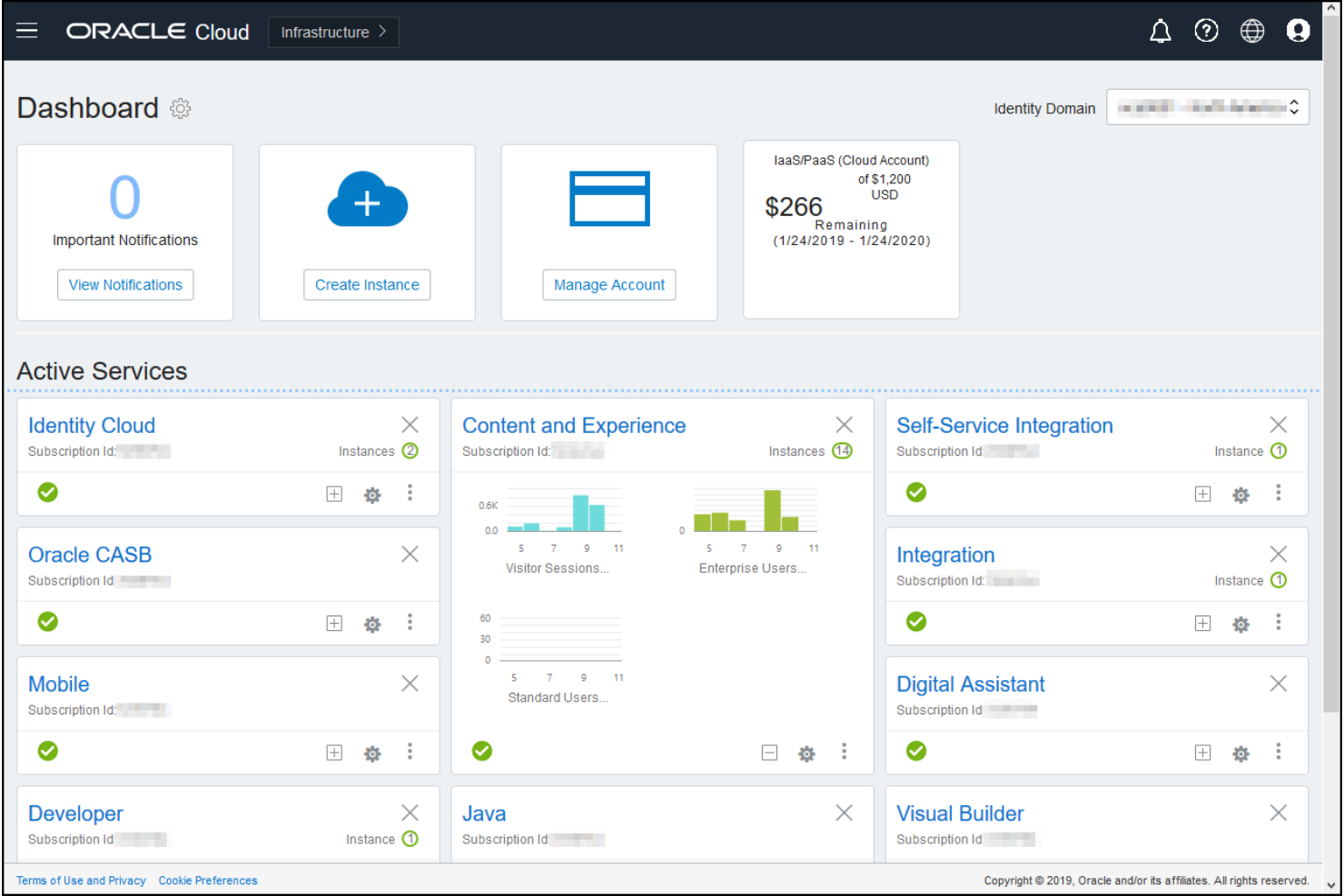
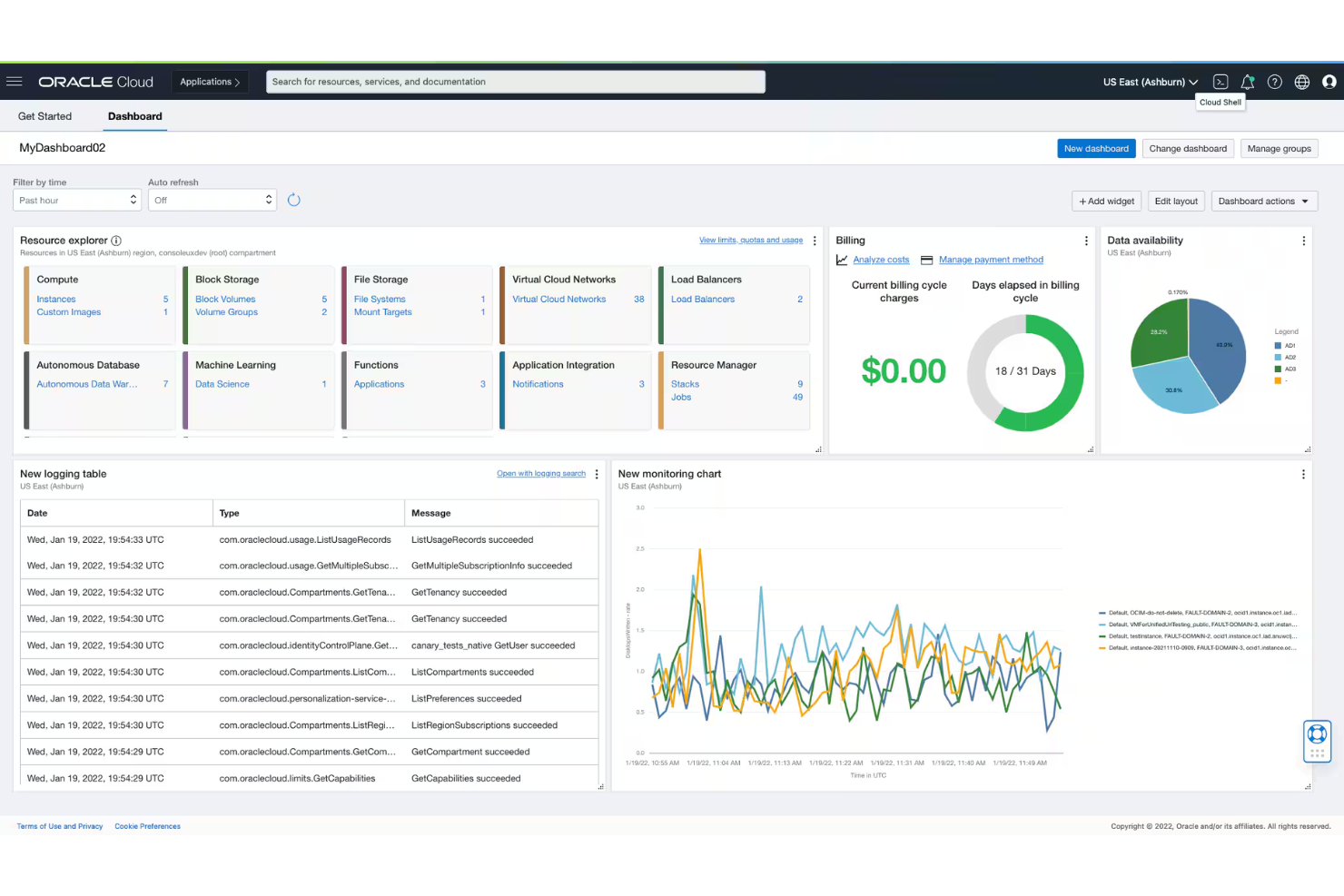
Centralizes visibility across hybrid and multi-cloud environments. Enables real-time monitoring, alerting, and automation from a single dashboard.
Advanced Security Controls
Offers encryption, identity management, and compliance tools built-in. Protects sensitive data and supports industry-specific regulations.
Disaster Recovery and Backup
Provides automated backup and failover for critical workloads. Minimizes downtime and data loss with built-in recovery options.
Ease of Use
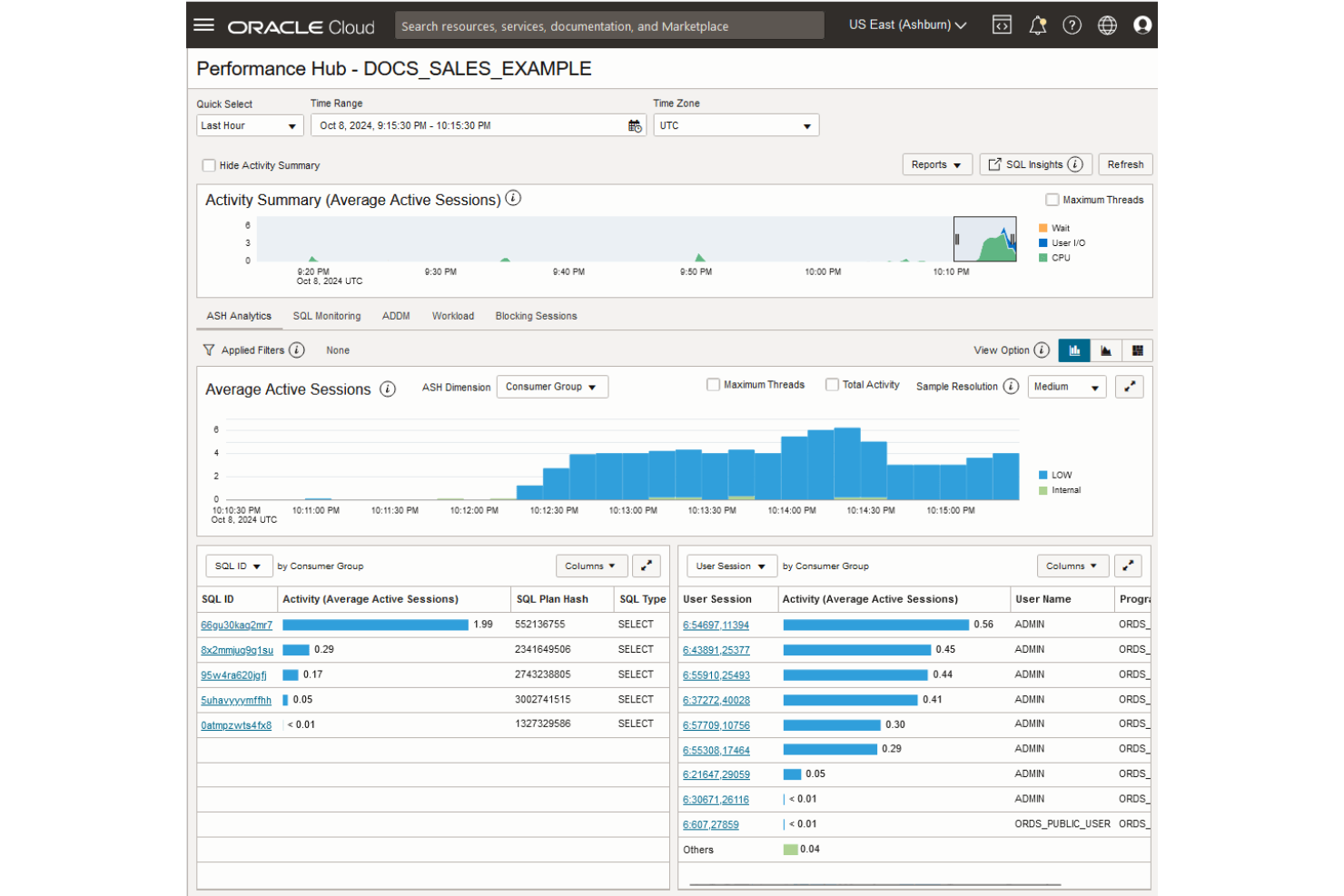
Oracle Hybrid Cloud’s interface is feature-rich but can feel overwhelming, especially for teams new to Oracle’s ecosystem. Many users mention that setup and navigation require specialized knowledge, particularly when configuring hybrid deployments or advanced security. However, once you’re familiar with the platform, unified dashboards and automation tools make ongoing management straightforward.
Experienced Oracle admins will find it efficient, but newcomers should expect a steeper learning curve.
Integrations
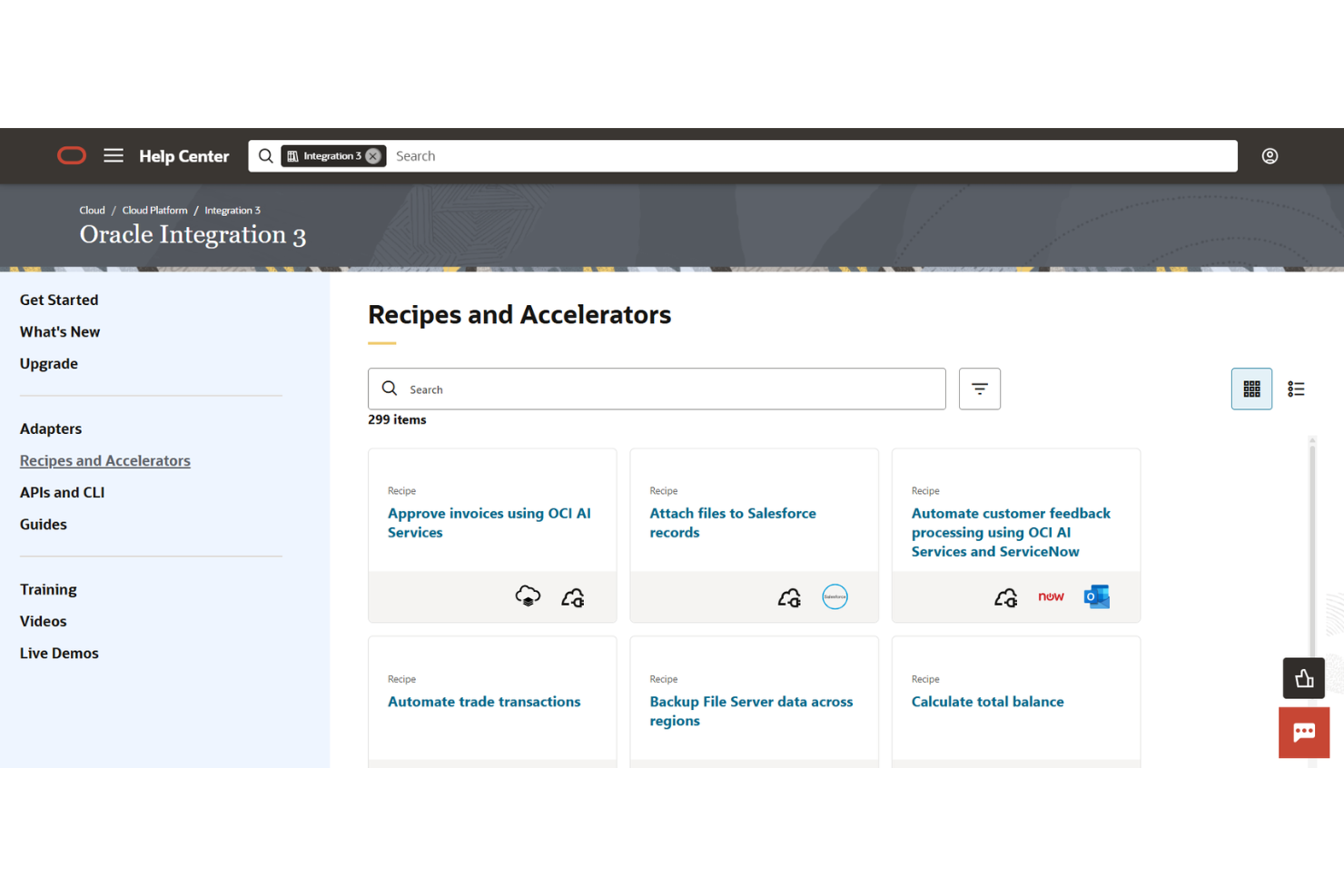
Oracle Hybrid Cloud integrates with Oracle E-Business Suite, Oracle Fusion Financials, Oracle Data Safe, Oracle Identity Cloud Service, Oracle Cloud VMware Solution, Oracle Cloud Observability and Management, Oracle Cloud Infrastructure FastConnect, Exadata Cloud@Customer, Oracle Cloud@Customer, and Roving Edge Infrastructure, among others.
Oracle Hybrid Cloud also offers a robust API and supports connections with third-party integration tools.
Oracle Hybrid Cloud Specs
- 2-Factor Authentication
- Anti-Virus
- API
- Bug Tracking
- Dashboard
- Data Export
- Data Import
- Data Visualization
- Email Integration
- External Integrations
- File Sharing
- File Transfer
- Firewall
- Google Apps Integration
- Inventory Tracking
- Malware Protection
- Multi-User
- Network Device Performance Monitoring
- Network Traffic Monitoring
- Network Visualization
- Notifications
- Project Management
- Scheduling
- Third-Party Plugins/Add-Ons