

Recensione di Splunk 2026: Pro, Contro, Caratteristiche e Prezzi


Splunk is a big data analytics software built for IT and security teams that need to search, monitor, and analyze machine-generated data across distributed environments. I'd consider it most seriously if your team is dealing with high volumes of log data and needs real-time visibility into system health and security events. Compared to the ELK Stack, Splunk delivers a more polished experience out of the box—you get stronger search functionality and a usable UI without spending weeks on custom configuration before you see meaningful results.
Splunk Evaluation Summary
- Pricing upon request
- 14-day free trial + free demo available
Perché fidarsi dei nostri consigli sui software
Il nostro team testa e recensisce software dal 2012. In quanto leader tecnologici noi stessi, sappiamo quanto sia difficile — e importante — scegliere il software giusto.
Per questa guida, abbiamo valutato gli strumenti attraverso test praticie ricerche indipendenti, assegnando un punteggio agli strumenti in base ai nostri criteri di selezione.
Le nostre recensioni riflettono il nostro giudizio editoriale umano, non un discorso di vendita.
Revisori esperti:
Splunk Overview
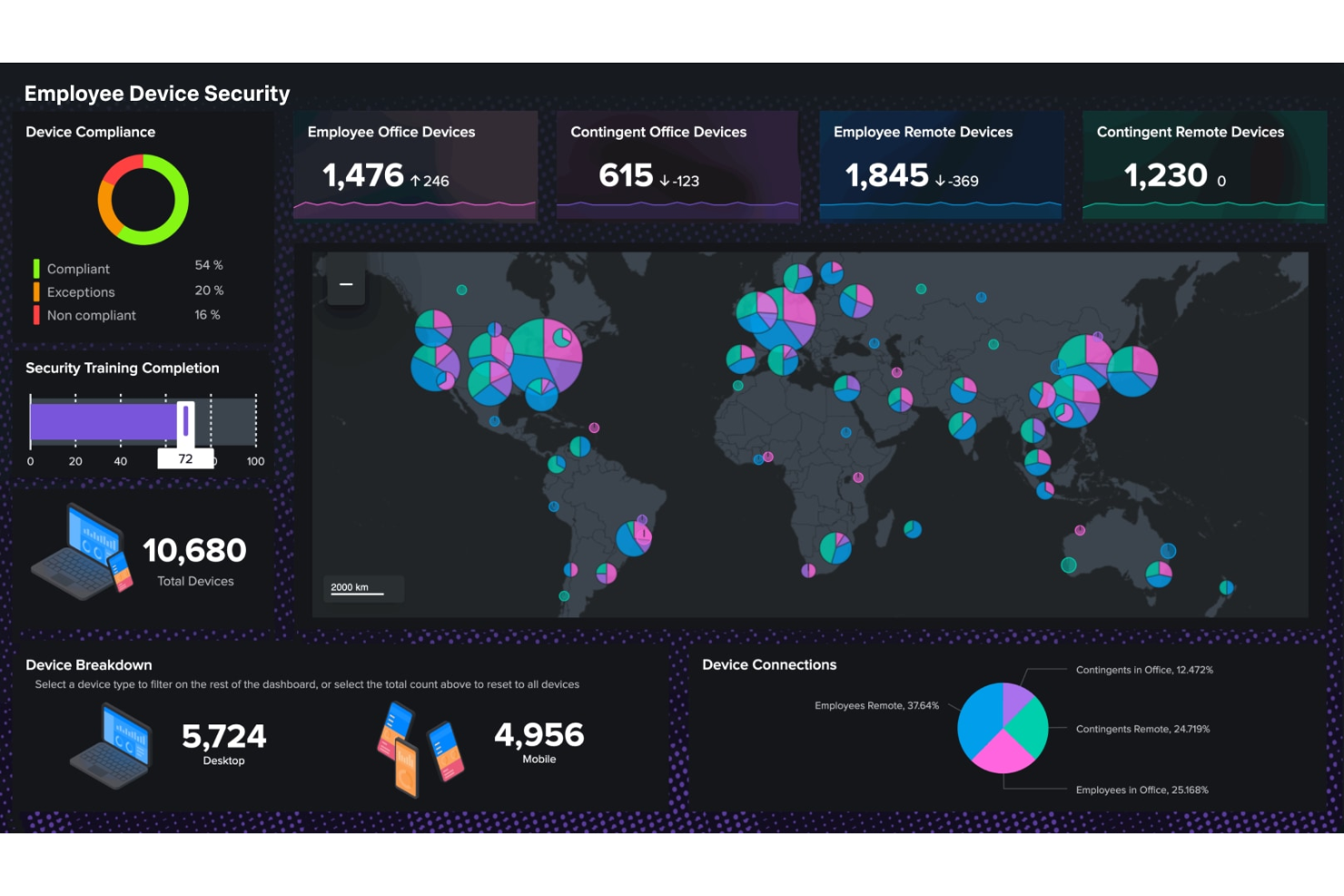
When judging big data analytics software, Splunk stands out for its real-time search, customizable dashboards, and broad integration options. Its pricing can be high, and onboarding may require significant time, but the depth of functionality and responsive support set it apart. The interface is dense but highly configurable, making it ideal for large enterprises or teams with complex data needs.
If you’re selecting a platform for security monitoring or operational intelligence, Splunk’s scalability and automation features make it a strong choice, especially where rapid incident response and detailed log analysis are priorities.
pros
-
You can analyze data in real time, which helps your team make quicker decisions.
-
Splunk's dashboard is highly customizable, letting you tailor it to your specific needs.
-
The software handles large volumes of data efficiently, supporting your complex data needs.
cons
-
The learning curve can be steep, so your team might need time to get comfortable.
-
Some users find the search language challenging, which might slow down your analysis.
-
You might encounter occasional performance issues with very large datasets.




La Nostra Metodologia di Recensione
Come Testiamo e Valutiamo gli Strumenti
Abbiamo trascorso anni a costruire, perfezionare e migliorare il nostro sistema di testing e valutazione del software. Il nostro schema è progettato per cogliere le sfumature della selezione software e cosa rende efficace uno strumento, focalizzandosi sugli aspetti critici del processo decisionale.
Di seguito, puoi vedere esattamente come funziona il nostro testing e punteggio su sette criteri. Ci permette di offrire una valutazione imparziale del software basata su funzionalità principali, caratteristiche distintive, facilità d’uso, onboarding, assistenza clienti, integrazioni, recensioni dei clienti e rapporto qualità-prezzo.
Funzionalità Principali (25% del punteggio finale)
Il punto di partenza della nostra valutazione è sempre la funzionalità principale dello strumento. Ha le funzioni e caratteristiche base che ci si aspetta? Alcune di queste caratteristiche sono limitate ai piani tariffari superiori? Fondamentalmente, ci aspettiamo che uno strumento regga il confronto rispetto alle capacità di base dei concorrenti.
Caratteristiche Distintive (25% del punteggio finale)
Successivamente, valutiamo le caratteristiche distintive e non comuni che vanno oltre la funzionalità base tipicamente trovata negli strumenti di questa categoria. Un punteggio alto riflette funzionalità specializzate o uniche che rendono il prodotto più veloce, efficiente o offrono ulteriore valore all’utente.
Valutiamo inoltre quanto sia semplice integrare altri strumenti tipicamente utilizzati nell’infrastruttura tecnologica per espandere la funzionalità e l’utilità del software. Gli strumenti che offrono numerose integrazioni native, connessioni di terze parti e accesso API per creare integrazioni personalizzate ottengono i punteggi migliori.
Facilità d’Uso (10% del punteggio finale)
Consideriamo quanto sia rapido e semplice svolgere i compiti definiti nella funzionalità principale utilizzando lo strumento. Il software con punteggio alto è ben progettato, intuitivo da usare, offre app mobili, fornisce modelli e rende semplici attività relativamente complesse.
Onboarding (10% del punteggio finale)
Sappiamo quanto sia importante l’adozione rapida da parte del team per una nuova piattaforma, quindi valutiamo quanto sia facile imparare e utilizzare uno strumento con formazione minima. Valutiamo quanto velocemente un membro del team possa iniziare a usare lo strumento anche senza esperienza. Soluzioni con punteggio alto indicano che sono richiesti pochi o nessun supporto.
Assistenza Clienti (10% del punteggio finale)
Esaminiamo quanto sia veloce e facile ricevere assistenza e risolvere problemi tramite telefono, live chat o knowledge base. Gli strumenti e le aziende che garantiscono supporto in tempo reale ottengono il miglior punteggio, mentre i chatbot ottengono il peggiore.
Recensioni dei Clienti (10% del punteggio finale)
Oltre ai nostri test e valutazioni, prendiamo in considerazione il net promoter score dei clienti attuali e passati. Valutiamo la probabilità che, data la scelta, selezionerebbero nuovamente lo strumento per la funzionalità principale. Un software con punteggio alto riflette un alto net promoter score da parte dei clienti attuali o passati.
Rapporto Qualità-Prezzo (10% del punteggio finale)
Infine, considerando tutti gli altri criteri, analizziamo il prezzo medio dei piani base rispetto alle funzionalità principali e consideriamo il valore degli altri criteri di valutazione. Il software che offre di più a meno otterrà un punteggio più alto.
Core Features
Real-Time Data Analysis
Splunk processes data as it comes in, allowing your team to make timely decisions based on the most current information.
Customizable Dashboards
You can tailor dashboards to your specific needs, making data visualization more meaningful and actionable for your team.
Search Processing Language (SPL)
This feature lets you query and manipulate data with precision, helping you find exactly what you need quickly.
Alerts and Notifications
Splunk sends alerts based on predefined criteria, so your team can respond promptly to critical issues.
Data Indexing
It organizes and indexes large volumes of data efficiently, ensuring you can access and analyze information without delay.
Scalability
Splunk grows with your business, handling increasing data loads without compromising performance.
Ease of Use
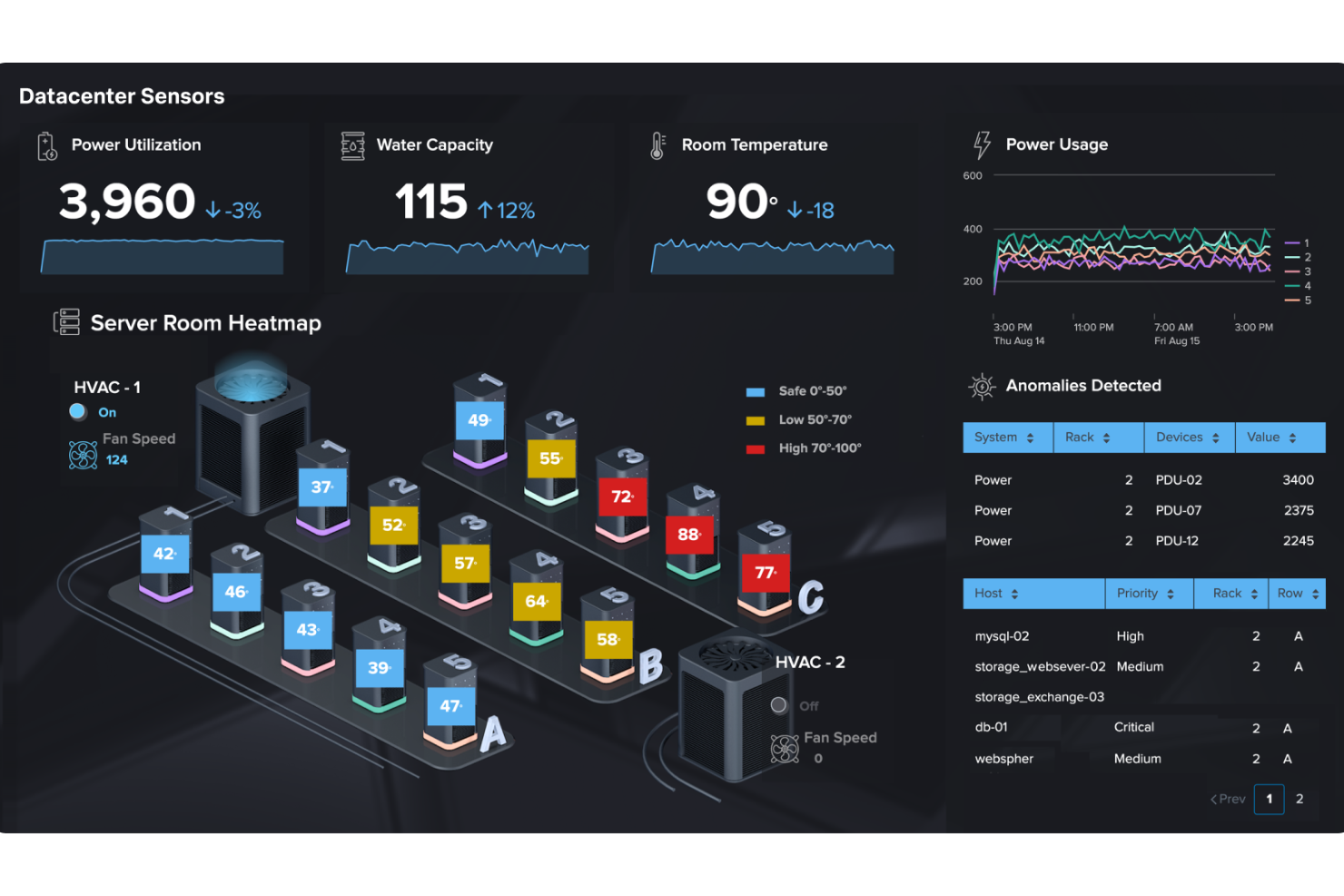
Splunk’s interface is dense and can feel overwhelming for new users, especially those without a technical background. While its search language and dashboard tools are powerful, they require training and experience to use effectively. Many users note that once configured, Splunk offers fast access to insights and flexible customization, but the initial setup and ongoing management demand significant expertise. This makes Splunk best suited for teams with dedicated technical resources.
Integrations
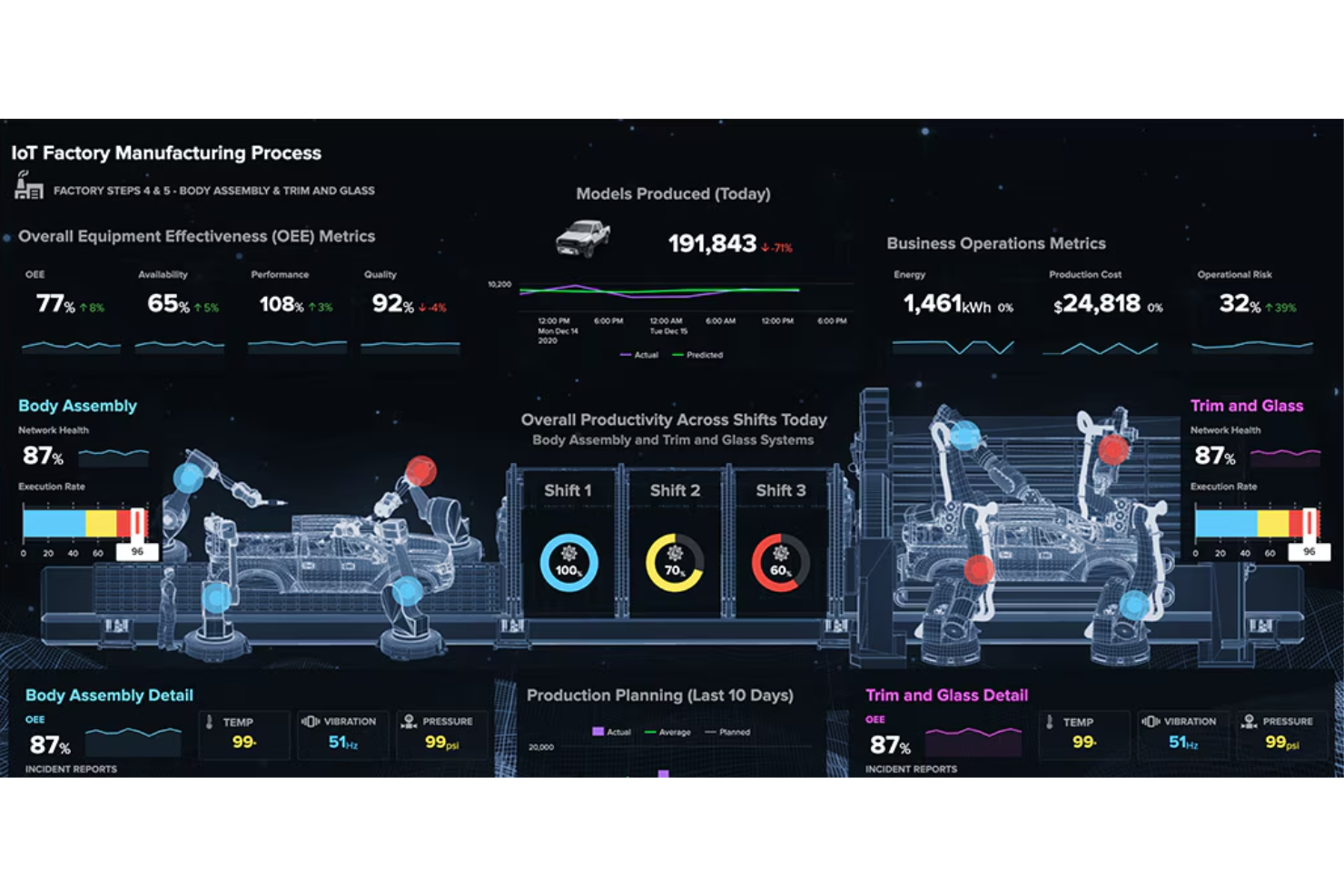
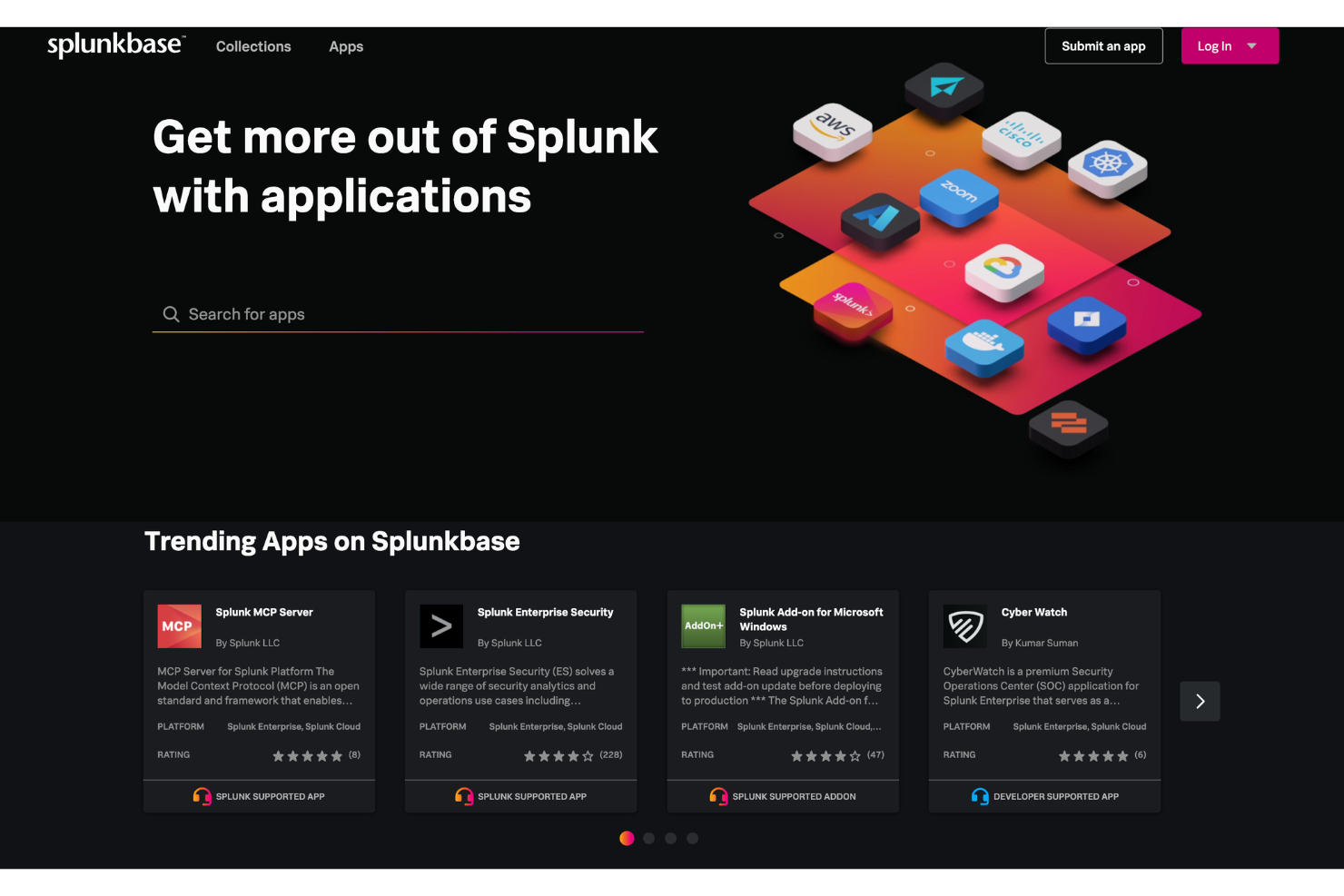
Splunk integrates with Amazon Web Services (AWS), Microsoft Windows, Google Cloud Platform, Microsoft Cloud Services, Unix and Linux, Salesforce, Okta Identity Cloud, ServiceNow, Cisco ASA, and Jira, among others.
Splunk also offers a robust API and supports connections with third-party integration tools for custom workflows and data ingestion.
Splunk Specs
- AI Integration
- API
- Automated Testing
- Browser Compatibility Testing
- Bug Tracking
- Code Review
- Custom Reports
- Data Export
- Data Import
- Developer Tools
- External Integrations
- Malware Protection
- Multi-User
- Notifications
- Performance Testing
- Process Reporting
- Static Analysis
- Status Notifications
- Workflow Management


