


Recensione QMetry 2026: Pro, Contro, Caratteristiche e Prezzi


QMetry is a software testing tool built around test case management, execution tracking, and QA reporting for agile and DevOps teams. I'd consider it if your team runs testing inside Jira—QMetry's native Atlassian integration gives you tighter workflow alignment than something like TestRail, which requires more setup to reach the same level of Jira connectivity.
QMetry Evaluation Summary
- Pricing upon request
- 15-day free trial
Perché fidarsi dei nostri consigli sui software
Il nostro team testa e recensisce software dal 2012. In quanto leader tecnologici noi stessi, sappiamo quanto sia difficile — e importante — scegliere il software giusto.
Per questa guida, abbiamo valutato gli strumenti attraverso test praticie ricerche indipendenti, assegnando un punteggio agli strumenti in base ai nostri criteri di selezione.
Le nostre recensioni riflettono il nostro giudizio editoriale umano, non un discorso di vendita.
QMetry Overview
In my experience, QMetry offers a strong mix of automation, traceability, and integration options that make it a top pick for teams working in agile or DevOps environments. Its interface is more technical than some, but the depth of features—like reusable test assets and detailed reporting—justifies the learning curve. Pricing is competitive for mid-sized and enterprise teams, though smaller teams might find it more than they need.
If you’re judging test management tools by integration breadth and automation support, QMetry stands out, especially for organizations prioritizing scalability and structured workflows.
pros
-
AI-powered test case authoring speeds up test creation.
-
Built-in requirement and issue management for traceability.
-
Detailed reporting and analytics with customizable dashboards.
cons
-
Interface can feel cluttered for new users.
-
Migration from legacy tools may require support assistance.
-
Some users report slow performance with large test suites.




La Nostra Metodologia di Recensione
Come Testiamo e Valutiamo gli Strumenti
Abbiamo trascorso anni a costruire, perfezionare e migliorare il nostro sistema di testing e valutazione del software. Il nostro schema è progettato per cogliere le sfumature della selezione software e cosa rende efficace uno strumento, focalizzandosi sugli aspetti critici del processo decisionale.
Di seguito, puoi vedere esattamente come funziona il nostro testing e punteggio su sette criteri. Ci permette di offrire una valutazione imparziale del software basata su funzionalità principali, caratteristiche distintive, facilità d’uso, onboarding, assistenza clienti, integrazioni, recensioni dei clienti e rapporto qualità-prezzo.
Funzionalità Principali (25% del punteggio finale)
Il punto di partenza della nostra valutazione è sempre la funzionalità principale dello strumento. Ha le funzioni e caratteristiche base che ci si aspetta? Alcune di queste caratteristiche sono limitate ai piani tariffari superiori? Fondamentalmente, ci aspettiamo che uno strumento regga il confronto rispetto alle capacità di base dei concorrenti.
Caratteristiche Distintive (25% del punteggio finale)
Successivamente, valutiamo le caratteristiche distintive e non comuni che vanno oltre la funzionalità base tipicamente trovata negli strumenti di questa categoria. Un punteggio alto riflette funzionalità specializzate o uniche che rendono il prodotto più veloce, efficiente o offrono ulteriore valore all’utente.
Valutiamo inoltre quanto sia semplice integrare altri strumenti tipicamente utilizzati nell’infrastruttura tecnologica per espandere la funzionalità e l’utilità del software. Gli strumenti che offrono numerose integrazioni native, connessioni di terze parti e accesso API per creare integrazioni personalizzate ottengono i punteggi migliori.
Facilità d’Uso (10% del punteggio finale)
Consideriamo quanto sia rapido e semplice svolgere i compiti definiti nella funzionalità principale utilizzando lo strumento. Il software con punteggio alto è ben progettato, intuitivo da usare, offre app mobili, fornisce modelli e rende semplici attività relativamente complesse.
Onboarding (10% del punteggio finale)
Sappiamo quanto sia importante l’adozione rapida da parte del team per una nuova piattaforma, quindi valutiamo quanto sia facile imparare e utilizzare uno strumento con formazione minima. Valutiamo quanto velocemente un membro del team possa iniziare a usare lo strumento anche senza esperienza. Soluzioni con punteggio alto indicano che sono richiesti pochi o nessun supporto.
Assistenza Clienti (10% del punteggio finale)
Esaminiamo quanto sia veloce e facile ricevere assistenza e risolvere problemi tramite telefono, live chat o knowledge base. Gli strumenti e le aziende che garantiscono supporto in tempo reale ottengono il miglior punteggio, mentre i chatbot ottengono il peggiore.
Recensioni dei Clienti (10% del punteggio finale)
Oltre ai nostri test e valutazioni, prendiamo in considerazione il net promoter score dei clienti attuali e passati. Valutiamo la probabilità che, data la scelta, selezionerebbero nuovamente lo strumento per la funzionalità principale. Un software con punteggio alto riflette un alto net promoter score da parte dei clienti attuali o passati.
Rapporto Qualità-Prezzo (10% del punteggio finale)
Infine, considerando tutti gli altri criteri, analizziamo il prezzo medio dei piani base rispetto alle funzionalità principali e consideriamo il valore degli altri criteri di valutazione. Il software che offre di più a meno otterrà un punteggio più alto.
Core Features
AI-Powered Test Authoring
Generate test cases automatically from user stories using AI, speeding up test creation and reducing manual effort.
Reusable Test Assets
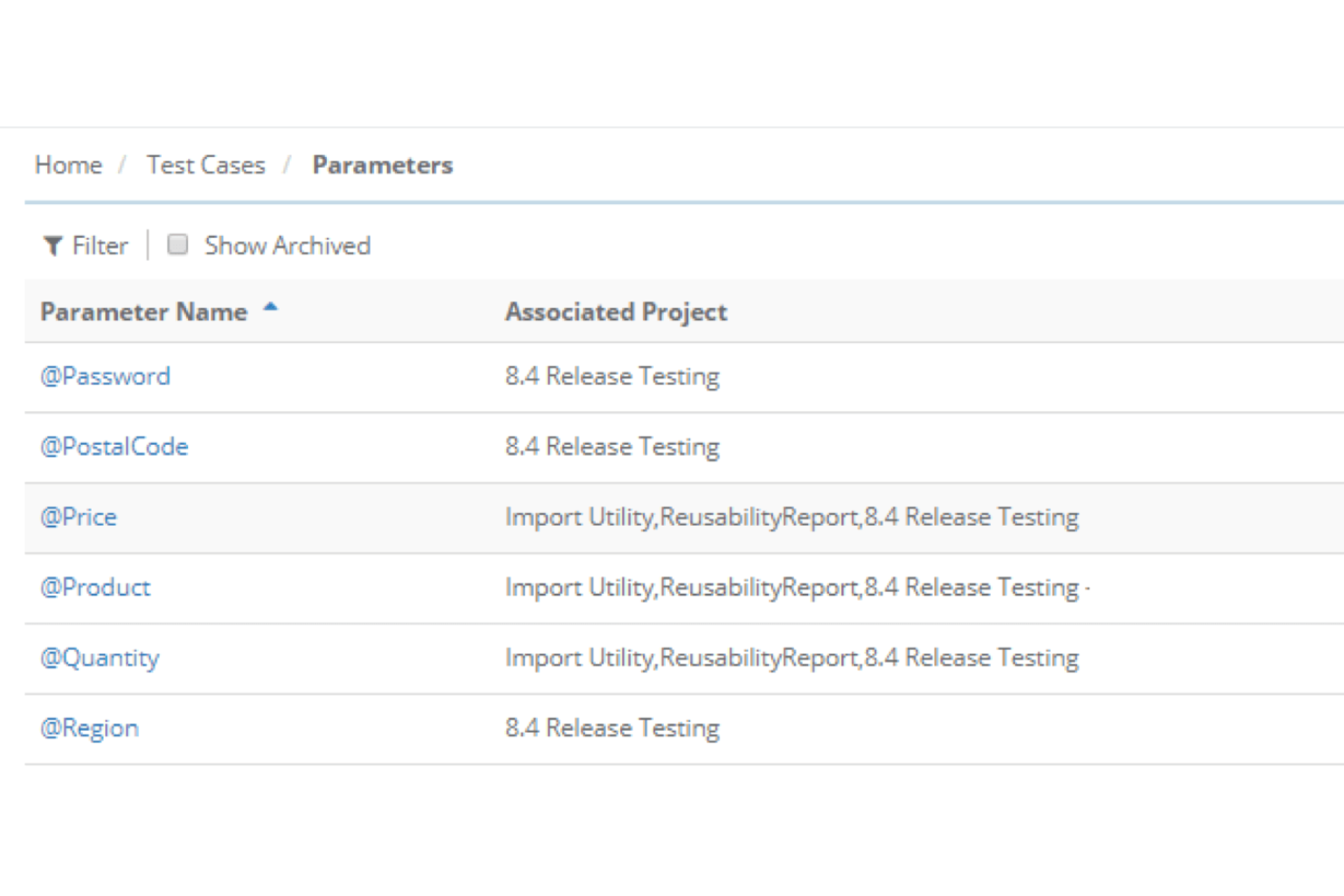
Store and reuse test cases, test steps, and data across multiple projects, helping teams maintain consistency and save time.
Requirement and Issue Management
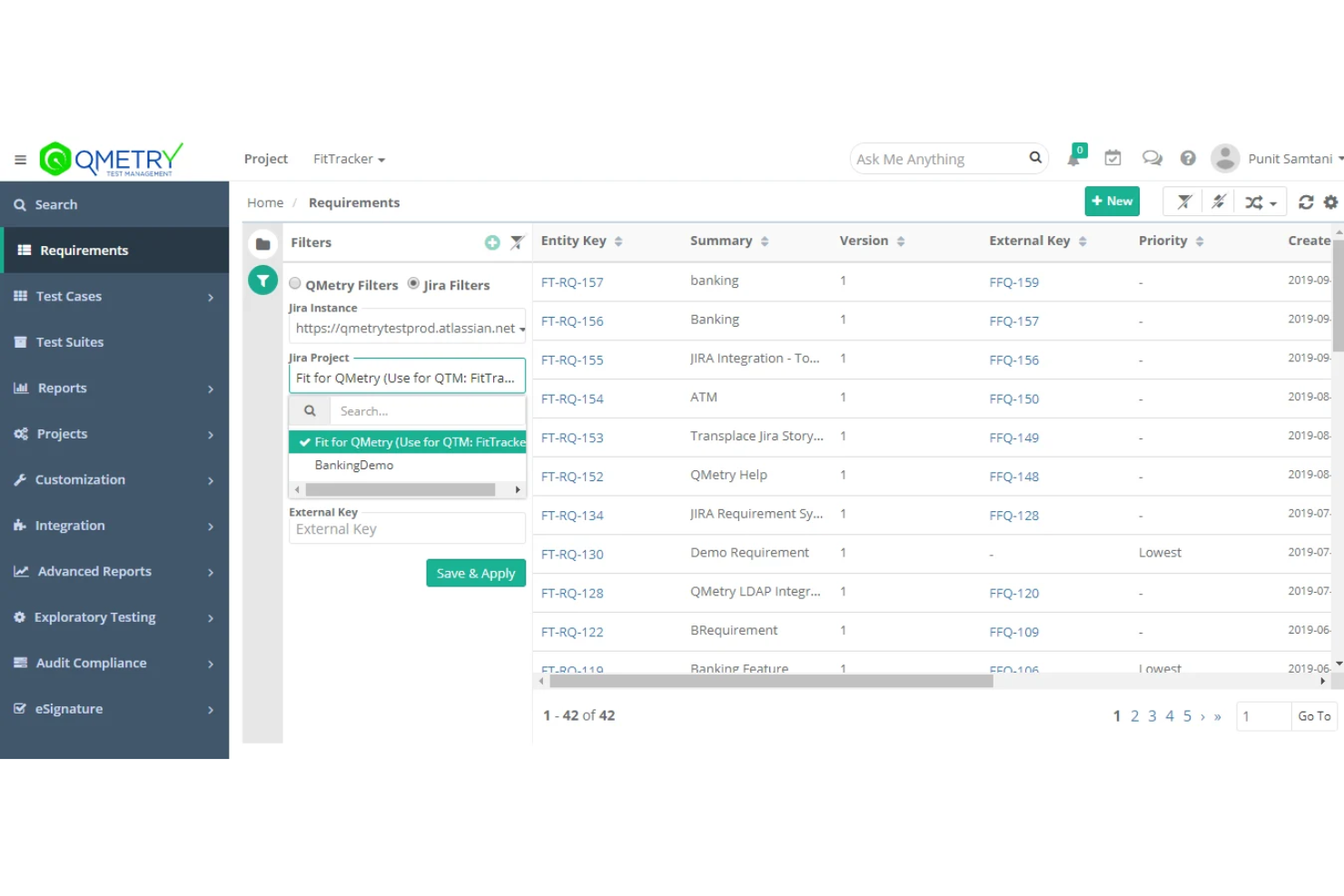
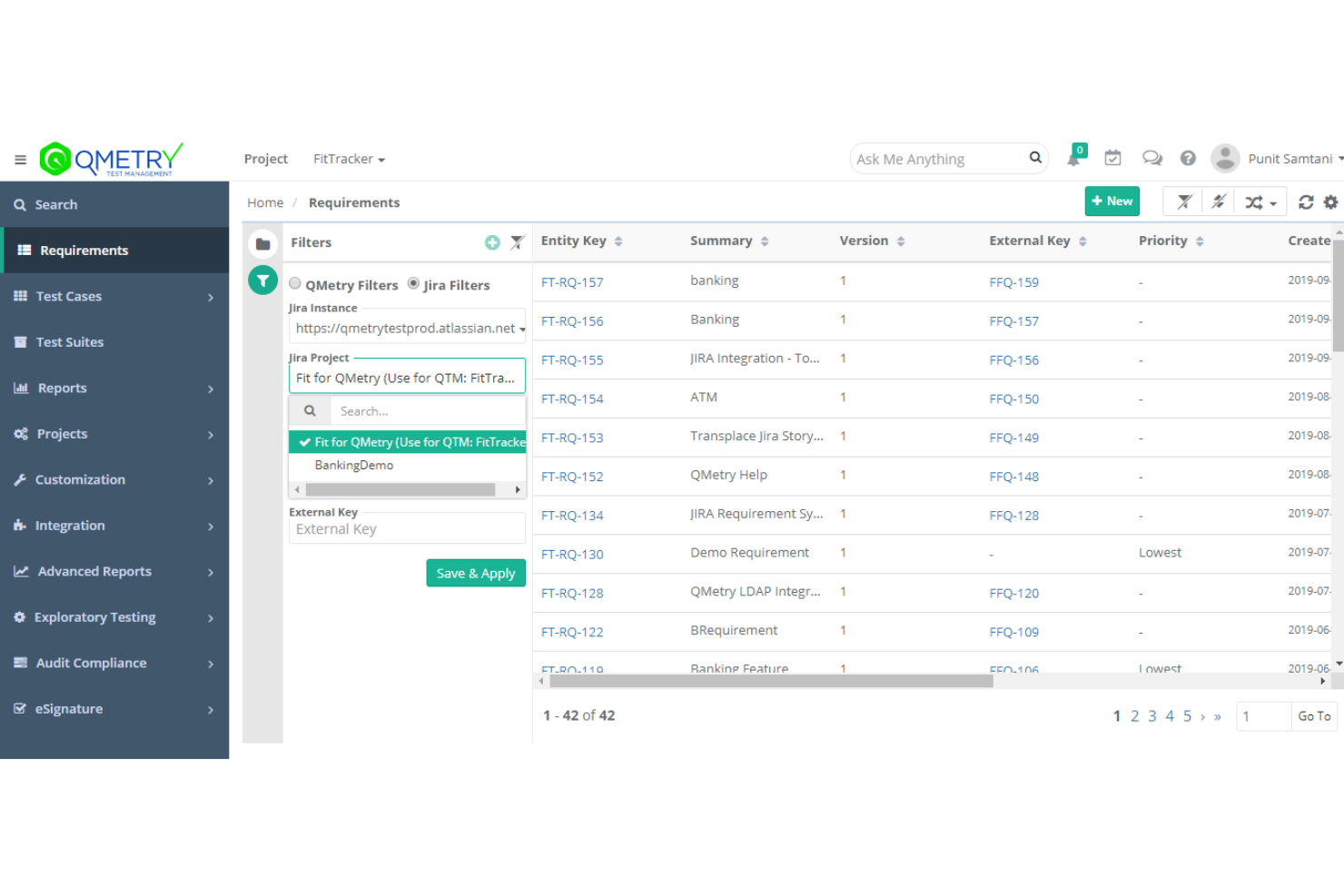
Link requirements and defects directly to test cases for full traceability, making it easier to track coverage and gaps.
Customizable Dashboards and Reports
Access over 140 built-in reports and create custom visualizations to monitor quality metrics and testing progress.
Audit Trails and Compliance
Maintain detailed logs of all changes and actions for regulatory compliance and easy auditing.
Migration Utilities
Move test assets from legacy tools like ALM or TestRail with guided migration utilities, reducing transition headaches.
Ease of Use
QMetry’s interface is feature-rich but can feel overwhelming, especially for new users or smaller teams. Many users mention that navigating dashboards and configuring workflows takes time to master, but the depth of customization and reporting options is a clear advantage for experienced QA professionals.
Once set up, the platform’s structured approach and detailed documentation help teams manage complex test cycles with confidence, though onboarding may require extra support.
Integrations
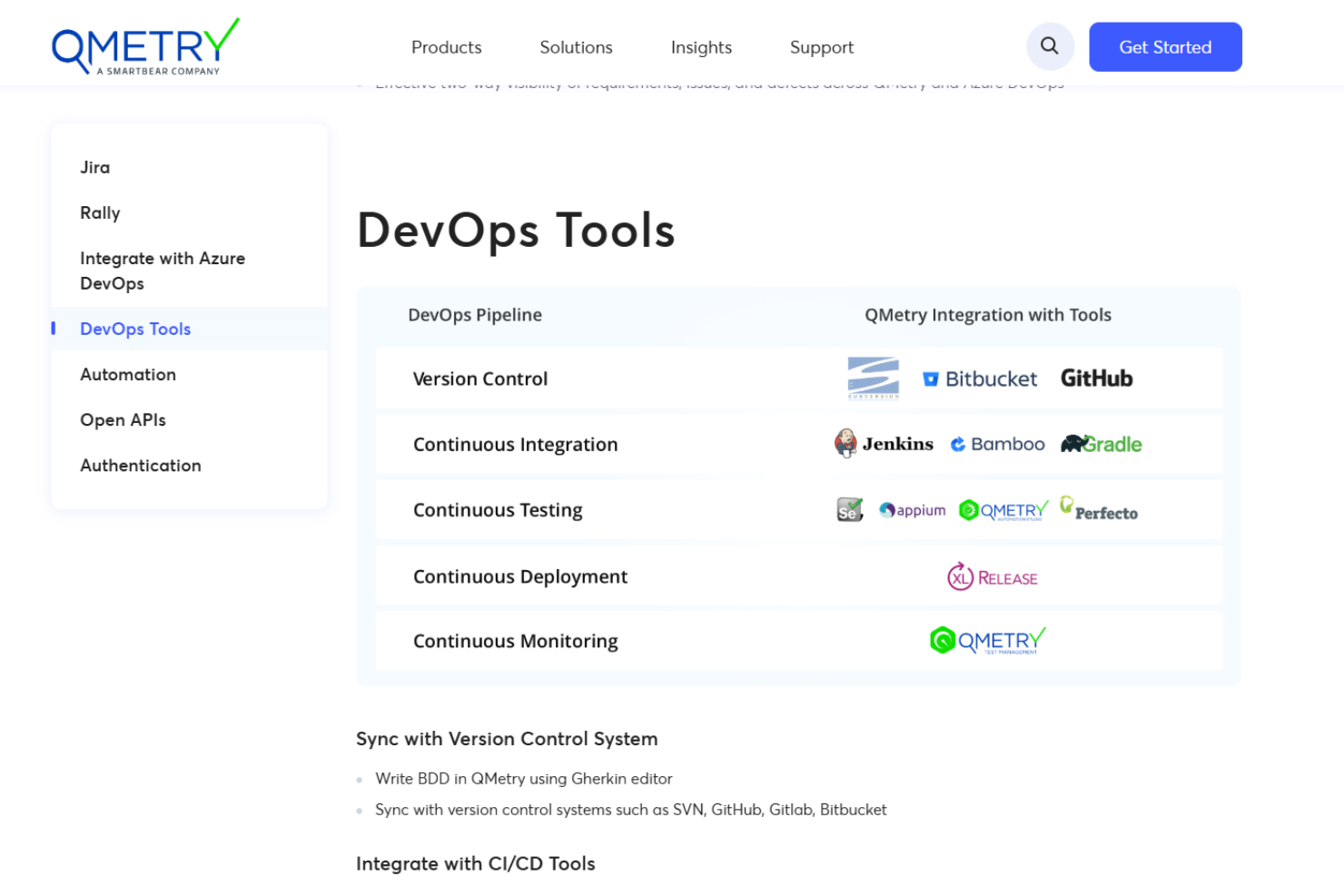
QMetry integrates with Jira, Rally, Azure DevOps, Jenkins, Bamboo, GitHub, GitLab, Bitbucket, Maven, and Gradle, among others.
QMetry also offers extensive Open APIs and supports integration with CI/CD tools and version control systems for custom and third-party connections.
QMetry Specs
- A/B Testing
- API
- Automated Testing
- Browser Compatibility Testing
- Bug Tracking
- Calendar Management
- CI/CD Integration
- Dashboard
- Data Export
- Data Import
- Data Visualization
- Developer Tools
- External Integrations
- History/Version Control
- Manual Testing
- Multi-User
- Notifications
- Performance Testing
- Regression Testing
- Scheduling
- Status Notifications
- Third-Party Plugins/Add-Ons