

Avis sur AWS Elastic Beanstalk 2026 : Avantages, Inconvénients, Fonctionnalités et Tarification
AWS Elastic Beanstalk simplifie le déploiement d'applications pour les développeurs recherchant une intégration à AWS, mais son automatisation peut limiter la personnalisation avancée par rapport à d'autres plateformes.

Nous évaluons les outils indépendamment ; les commissions aident à financer nos tests. Consultez notre politique de transparence et notre méthodologie.
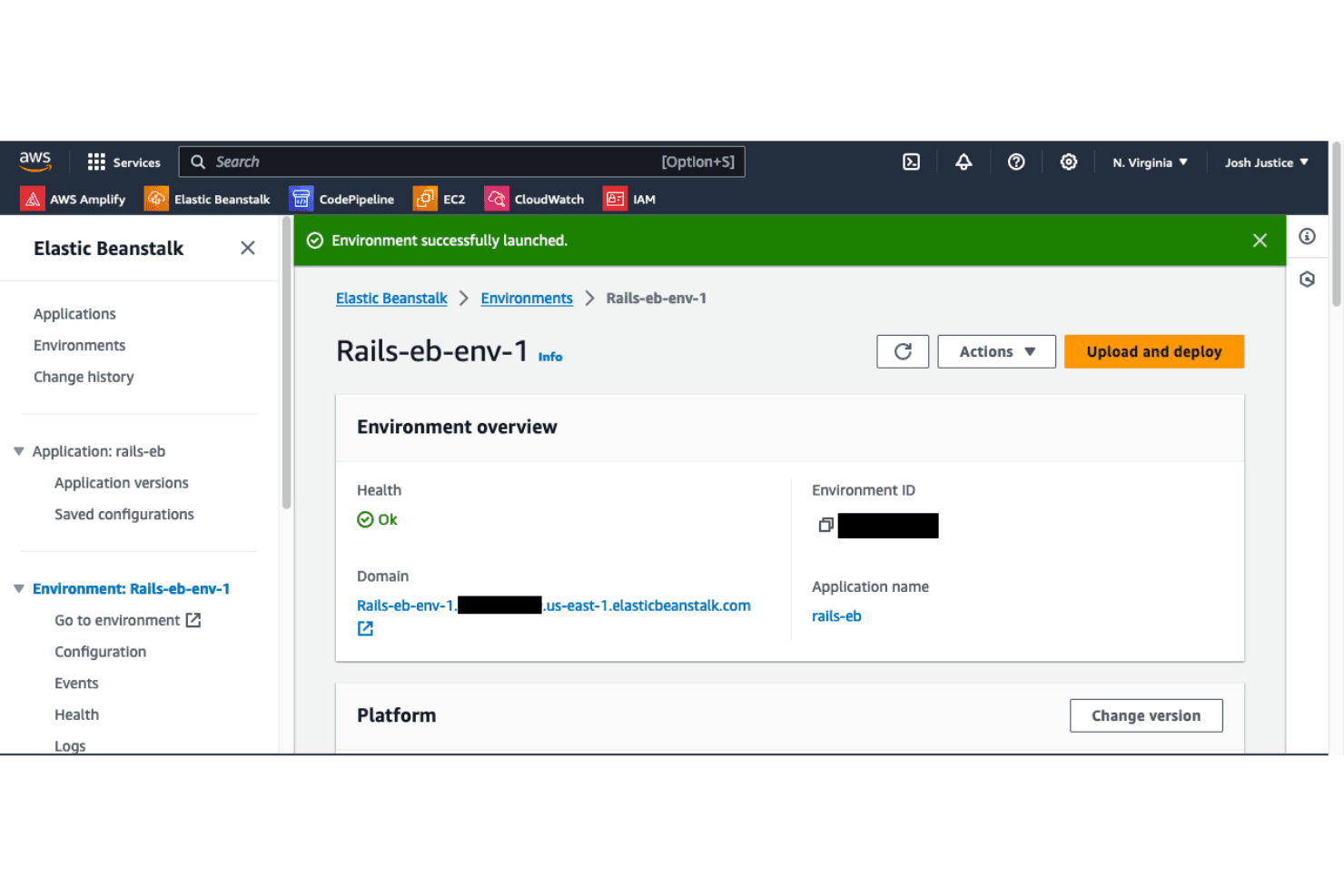
AWS Elastic Beanstalk is a deployment software for teams that need to deploy and scale web applications without manually managing the underlying infrastructure. It handles capacity provisioning, load balancing, and health monitoring automatically, while still giving you full access to the AWS resources running your app. If you're already operating within the AWS ecosystem, I'd consider it over Heroku—you get deeper infrastructure control and significantly better cost efficiency at scale, without sacrificing the ease of a managed deployment environment.
AWS Elastic Beanstalk Evaluation Summary
4.2/5
- Pricing upon request
- Up to 6-month free trial
Pourquoi faire confiance à nos recommandations de logiciels
6,700+
Reviews
20
Industry experts
16+
Evaluation factors
14
Years
Notre équipe teste et évalue des logiciels depuis 2012. En tant que leaders technologiques nous-mêmes, nous savons à quel point il est difficile — et important — de choisir le bon logiciel.
Pour ce guide, nous avons évalué les outils grâce à des tests pratiques et une recherche indépendante, en notant les outils selon nos critères de sélection.
Nos avis reflètent notre jugement éditorial humain, et non un argumentaire de vente.
Réviseurs experts:
- Paulo Gardini MiguelDirecteur technique
 Tim FisherVP de l'IA
 Gabriel RosasTech Lead et architecte logiciel
 Christhian GruhnTech Lead et architecte plateforme

AWS Elastic Beanstalk Overview
AWS Elastic Beanstalk stands out for its deep AWS integration, automated scaling, and straightforward deployment process, making it a strong choice for teams already invested in AWS. Its pricing is predictable since you only pay for underlying AWS resources, but advanced customization can be restrictive compared to some alternatives. The interface is approachable, onboarding is quick for those familiar with AWS, and support is robust through AWS channels.
If you’re judging platforms for rapid deployment, managed environments, and seamless AWS service connections, Elastic Beanstalk is best suited for cloud-native teams prioritizing speed and operational simplicity.
Pros
- Automates deployment and scaling, freeing your team to focus on coding.
- Supports multiple programming languages, offering flexibility for your projects.
- Provides easy integration with other AWS services, enhancing your cloud environment.
Cons
- Limited customization options might not meet all your team's specific needs.
- Requires AWS knowledge, which might be a hurdle for new users.
- Some users find the dashboard interface less intuitive compared to competitors.
Is AWS Elastic Beanstalk Right For Your Needs?
Who Would be a Good Fit for AWS Elastic Beanstalk?
AWS Elastic Beanstalk is ideal for tech startups and small to medium-sized businesses that want to deploy web applications without getting bogged down by infrastructure management. If your team values flexibility, AWS Elastic Beanstalk supports various programming languages, making it a versatile choice. It’s also a great fit for DevOps teams who already use AWS services, as it easily integrates with other AWS tools, enhancing your cloud capabilities and streamlining your development process.
- Tech StartupsAWS Elastic Beanstalk automates scaling and deployment, letting your team focus on innovation rather than infrastructure.
- E-commerce PlatformsIt handles traffic spikes efficiently, ensuring your online store runs smoothly during peak shopping times.
- Software Development TeamsWith support for multiple programming languages, your developers can work in their preferred coding environment.
- Educational InstitutionsAWS Elastic Beanstalk provides a cost-effective way to deploy educational apps and manage resources.
- Healthcare IT DepartmentsIt offers reliable deployment for healthcare apps, supporting compliance and data security requirements.
- Digital Marketing AgenciesEasily deploy and manage client websites, benefiting from quick scaling to meet campaign demands.
Who Would be a Bad Fit for AWS Elastic Beanstalk?
AWS Elastic Beanstalk may not suit large enterprises with complex infrastructure needs that require extensive customization options. If your team needs highly specialized configurations or operates in a non-AWS environment, you might find AWS Elastic Beanstalk’s limitations frustrating. Organizations without AWS expertise might struggle, as it assumes a certain level of familiarity with AWS services and ecosystems.
- Large EnterprisesComplex infrastructures needing deep customization might find AWS Elastic Beanstalk too restrictive.
- Non-Cloud UsersIf your team hasn’t moved to the cloud, AWS Elastic Beanstalk’s cloud-based nature could be a hurdle.
- Highly Regulated IndustriesIndustries needing strict compliance might find AWS Elastic Beanstalk’s default configurations insufficient.
- Custom Software BuildersIf your software requires unique deployment configurations, AWS Elastic Beanstalk’s options might feel limited.
- Legacy System OperatorsTeams working with outdated technology may face compatibility issues with AWS Elastic Beanstalk.
- Non-Technical TeamsWithout technical expertise, navigating AWS Elastic Beanstalk’s setup and features could be challenging.
Notre méthodologie d'évaluation
Comment nous testons et notons les outils
Nous avons passé des années à développer, affiner et améliorer notre système de test et de notation des logiciels. Cette grille d’évaluation est conçue pour saisir les subtilités de la sélection des logiciels et ce qui rend un outil efficace, en se concentrant sur les aspects critiques du processus de décision.
Vous trouverez ci-dessous le détail de notre processus de test et de notation sur sept critères. Cela nous permet de fournir une évaluation impartiale du logiciel basée sur les fonctionnalités principales, les caractéristiques distinctives, la facilité d’utilisation, l’intégration, l’accompagnement lors de la prise en main, le support client, les avis utilisateurs et le rapport qualité-prix.
Fonctionnalité principale (25% de la note finale)
Le point de départ de notre évaluation est toujours la fonctionnalité principale de l’outil. Possède-t-il les fonctions de base auxquelles un utilisateur s’attend ? Certaines de ces fonctionnalités principales sont-elles limitées à des forfaits plus chers ? Nous attendons d’un outil qu’il soit au moins à la hauteur des capacités de base de ses concurrents.
Fonctionnalités remarquables (25% de la note finale)
Ensuite, nous évaluons les fonctionnalités exceptionnelles qui dépassent la fonctionnalité de base habituellement trouvée dans ce type d’outil. Un score élevé reflète des fonctionnalités spécialisées ou uniques rendant le produit plus rapide, plus efficace ou apportant une valeur ajoutée à l’utilisateur.
Nous évaluons aussi la facilité d’intégration avec d’autres outils courants dans la pile technologique pour élargir les fonctionnalités et l’utilité du logiciel. Les outils dotés de nombreuses intégrations natives, de connexions tierces et d’un accès API facilitant des intégrations personnalisées obtiennent les meilleurs scores.
Facilité d’utilisation (10% de la note finale)
Nous considérons la rapidité et la simplicité d’exécution des tâches principales avec l’outil. Les logiciels les mieux notés sont bien conçus, intuitifs, proposent des applications mobiles, offrent des modèles et rendent des tâches relativement complexes très simples.
Accompagnement lors de la prise en main (10% de la note finale)
Nous savons que l’adoption rapide d’une nouvelle plateforme au sein d’une équipe est cruciale. Nous évaluons donc la facilité avec laquelle un nouvel utilisateur peut apprendre et utiliser un outil avec un minimum de formation. Les meilleures solutions permettent une mise en route rapide, sans nécessité de support.
Support client (10% de la note finale)
Nous analysons la facilité et la rapidité avec lesquelles il est possible d’obtenir de l’aide par téléphone, chat en direct ou base de connaissances. Les outils et entreprises offrant une assistance en temps réel obtiennent les meilleurs scores, tandis que les chatbots sont moins bien notés.
Avis utilisateurs (10% de la note finale)
Au-delà de nos propres tests et évaluations, nous tenons compte du net promoter score des utilisateurs actuels et passés. Nous regardons la probabilité qu’ils choisiraient à nouveau l’outil pour ses fonctionnalités principales. Un logiciel bien noté reflète un net promoter score élevé.
Rapport qualité-prix (10% de la note finale)
Enfin, en tenant compte de tous les autres critères, nous examinons le prix moyen des forfaits d’entrée de gamme par rapport aux fonctionnalités principales et à la valeur des autres critères. Un logiciel offrant plus, pour moins cher, obtiendra un meilleur score.
Core Features
Automated Scaling
AWS Elastic Beanstalk automatically adjusts your application's capacity to meet demand, ensuring consistent performance. This means your team won't have to manually manage server resources.
Environment Management
You can deploy and manage multiple application environments with ease, allowing for testing and production setups. This feature simplifies switching between different stages of your development.
Health Monitoring
AWS Elastic Beanstalk continuously checks your application's health, providing real-time alerts and insights. This helps your team quickly address any issues that arise.
Application Deployment
Deploying applications is straightforward with support for various programming languages and platforms. Your team can use familiar tools and frameworks, reducing the learning curve.
Version Control
Easily track and manage application versions, allowing rollbacks if needed. This feature ensures your team can maintain stability and respond to issues efficiently.
Customization Options
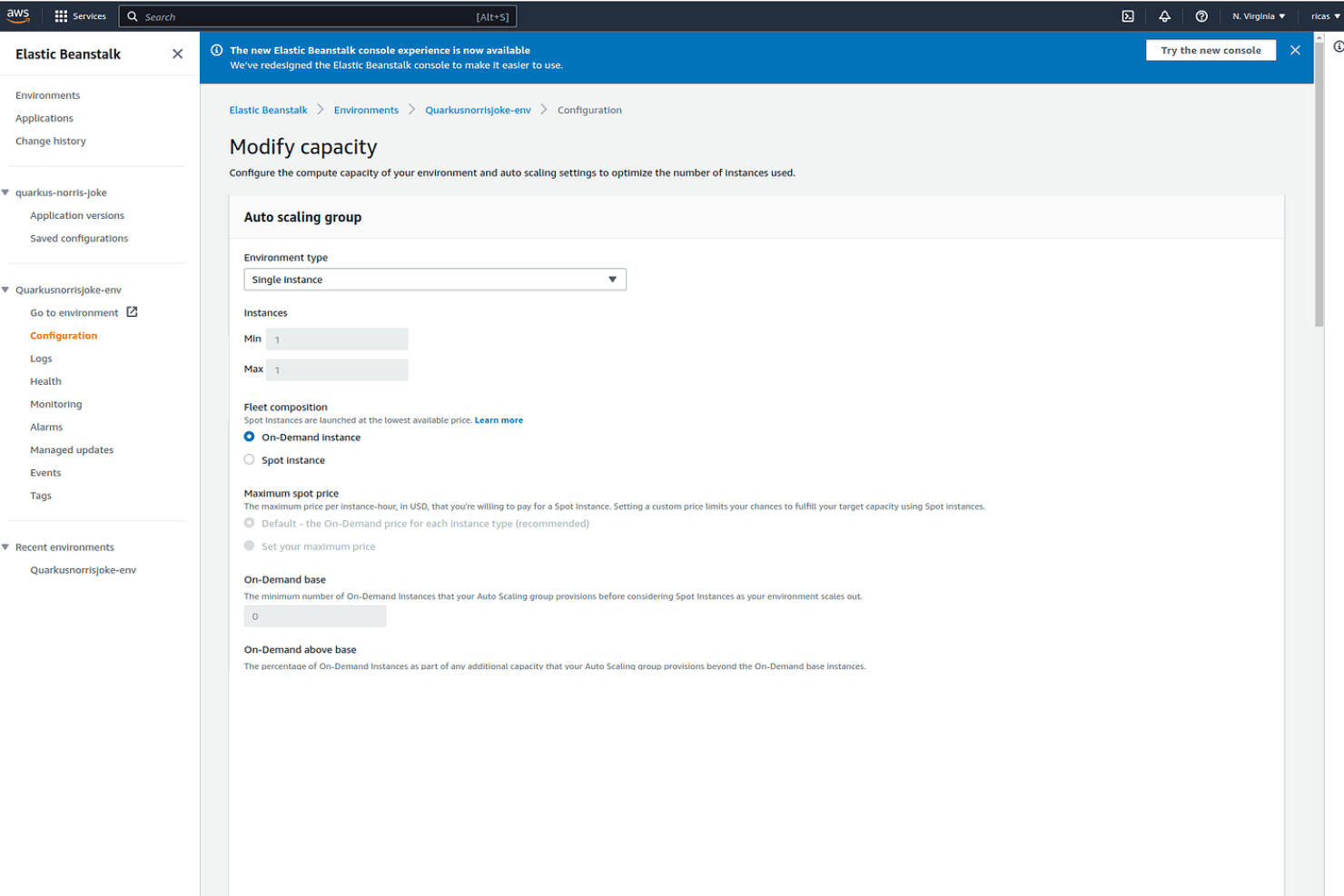
While not extensive, AWS Elastic Beanstalk does offer some configuration settings for environments. This allows your team to tailor deployments to specific needs, within certain limits.
Ease of Use
AWS Elastic Beanstalk is user-friendly for teams already familiar with AWS, offering a straightforward deployment process and a clear web console. Many users appreciate the ability to deploy code with minimal configuration and the guided environment setup. However, some find troubleshooting and advanced configuration less intuitive, especially when issues arise beneath the managed layer. Overall, it strikes a balance between automation and control, making it approachable for most cloud-focused development teams.
Integrations
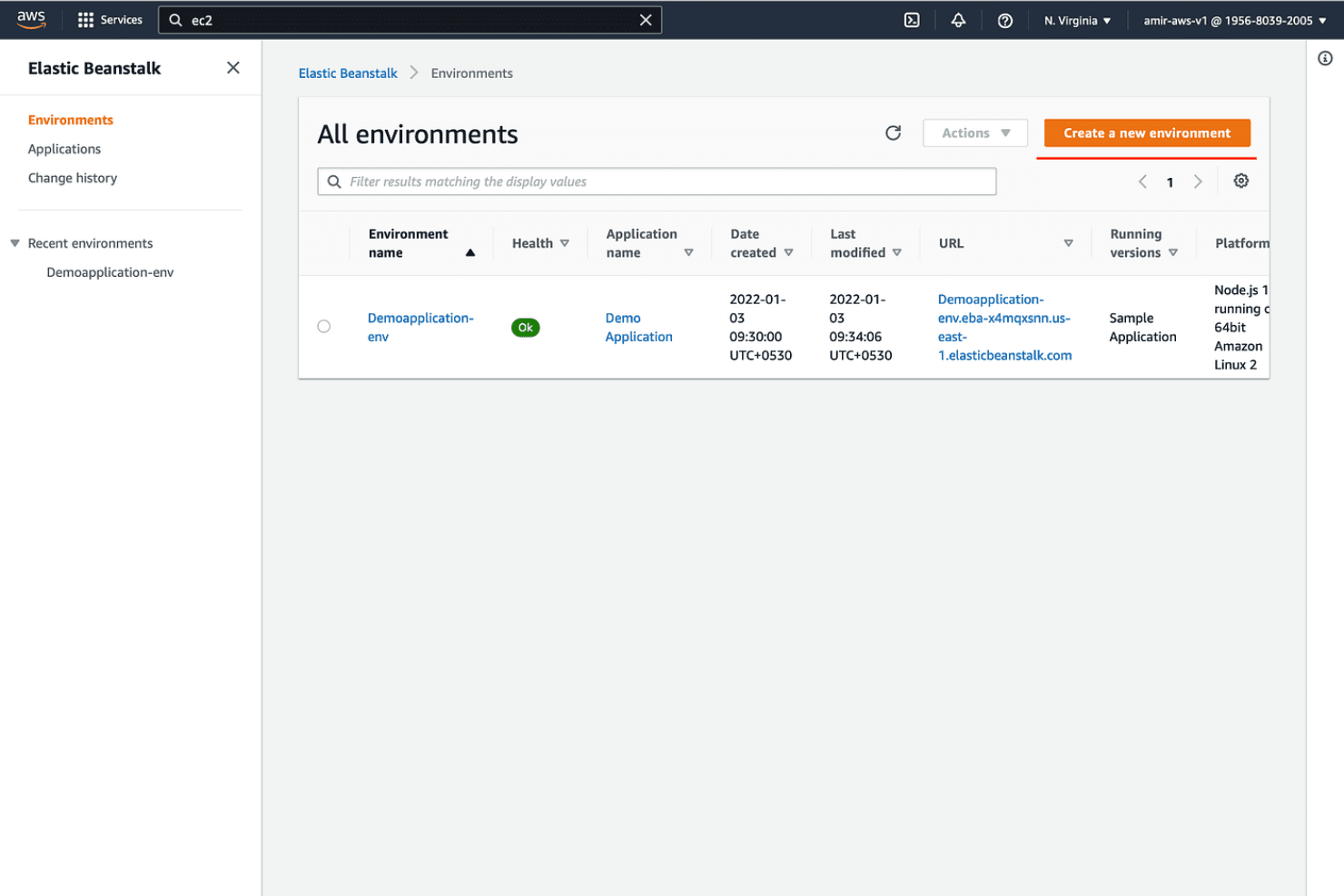
AWS Elastic Beanstalk integrates with Amazon EC2, Amazon RDS, Amazon S3, Amazon CloudWatch, AWS IAM, AWS CodePipeline, AWS CloudFormation, Amazon SNS, AWS X-Ray, and Amazon VPC, among others.
Elastic Beanstalk also provides a REST API and supports connections with third-party integration tools through AWS SDKs and CLI.
AWS Elastic Beanstalk Specs
- API: Yes
- Bug Tracking: No
- CI/CD Integration: Yes
- Cloud Deployment: Yes
- Code Review: No
- Code Transformation: No
- Collaboration Support: No
- Data Export: No
- Data Import: No
- Developer Tools: Yes
- External Integrations: Yes
- Git Integration: Yes
- History/Version Control: Yes
- IDE Plugins: No
- Local Deployment: No
- Multi-User: Yes
- Notifications: Yes
- Project Management: No
- Release Management: Yes
- Static Analysis: No
- Task Scheduling/Tracking: Yes
- Testing: Yes


