

Reseña de Flutter: Ventajas, Desventajas, Características y Precios
Flutter destaca por sus capacidades multiplataforma, permitiendo a tu equipo desarrollar aplicaciones visualmente atractivas con una sola base de código.

Revisamos herramientas de forma independiente y las comisiones ayudan a financiar nuestras pruebas. Consulta nuestra política de transparencia, nuestra metodología o sugiere una herramienta.
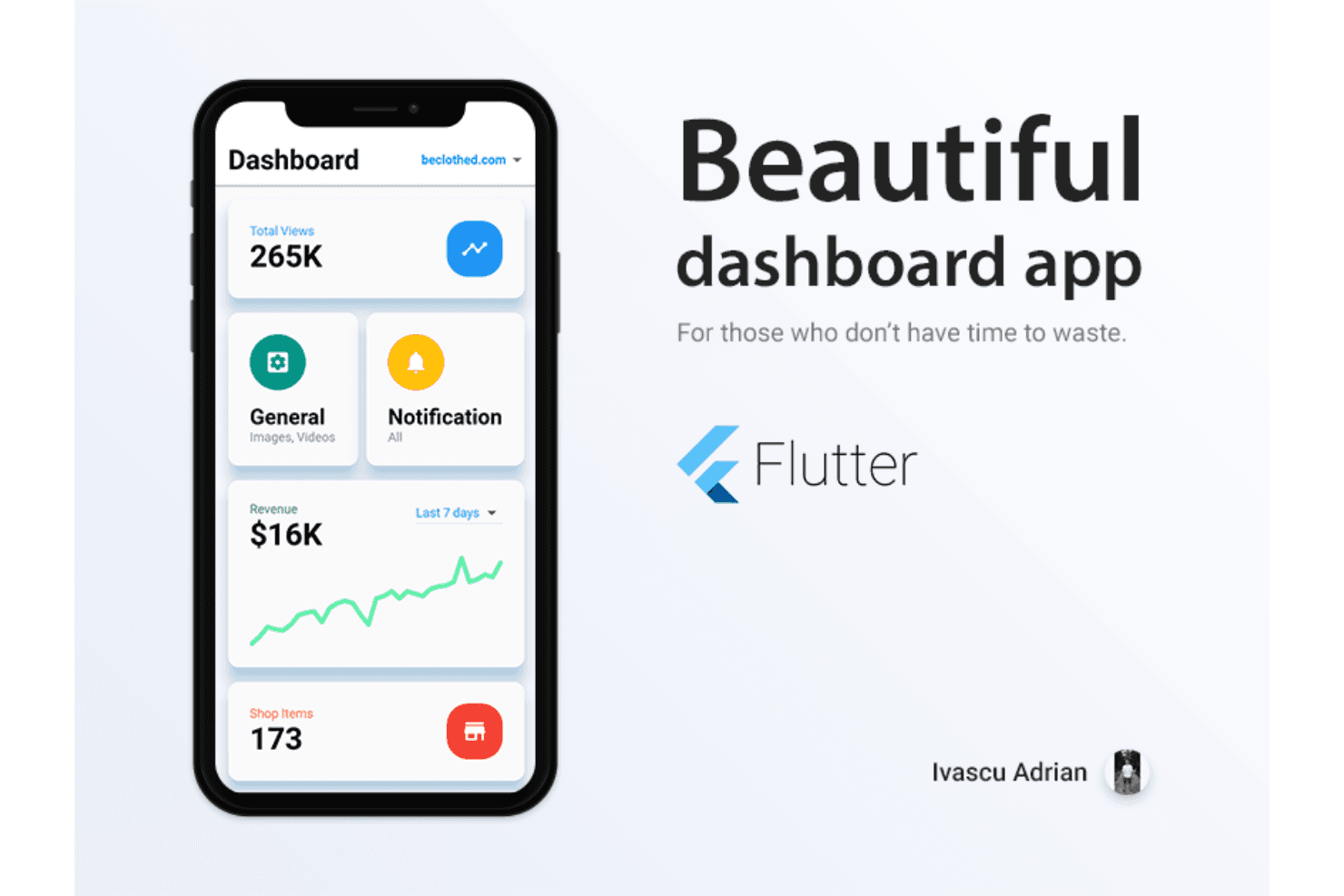
Flutter is a software development tool from Google that lets you build natively compiled apps for mobile, web, and desktop from a single Dart codebase. I'd consider it if your team needs to ship cross-platform apps without maintaining separate native codebases for each platform. Compared to a similar tool like React Native, Flutter gives you more consistent UI rendering across platforms because it uses its own rendering engine rather than relying on native components—which means fewer platform-specific visual inconsistencies to track down.
Flutter Evaluation Summary
0/5
- Free to use
- Free plan available
Por qué confiar en nuestras recomendaciones de software
6,700+
Reviews
20
Industry experts
16+
Evaluation factors
14
Years
Nuestro equipo lleva probando y evaluando software desde 2012. Como líderes tecnológicos, sabemos lo difícil —y lo importante— que es elegir el software adecuado.
Para esta guía, evaluamos las herramientas mediante pruebas prácticas e investigación independiente, puntuando las herramientas según nuestros criterios de selección.
Nuestras reseñas reflejan nuestro criterio editorial humano, no un discurso de ventas.
Revisores expertos:
- Paulo Gardini MiguelDirector técnico
 Tim FisherVP de IA
 Gabriel RosasTech Lead y arquitecto de software
 Christhian GruhnTech Lead y arquitecto de plataforma

Flutter Overview
In my opinion, Flutter excels as a software development toolkit for its cross-platform capabilities and visual appeal within the modern app development ecosystem. It offers a unified development experience that can save your team time and resources. While its onboarding could be smoother, especially if you are not well-versed in Dart or coming from Java, Kotlin, or Swift backgrounds, the strong community support and extensive documentation help mitigate this downside. Flutter is ideal for startups and tech companies looking to build visually consistent apps across platforms and operating system requirements. In Flutter vs alternate solutions, such as React Native, it shines in performance but might lack some advanced native functionalities. If you're evaluating software for mobile or web app development, Flutter's balance of features and cost-effectiveness makes it a compelling choice.
Pros
- You can build apps for multiple platforms with a single codebase.
- Your team can create visually appealing apps with a unified UI framework.
- It offers a fast development process, saving you time and resources.
Cons
- Your team might face challenges if you need advanced native functionalities.
- It requires more effort for smooth onboarding compared to some other tools.
- The app size can be larger than apps built with other frameworks.
Is Flutter Right For Your Needs?
Who Would be a Good Fit for Flutter?
Flutter is a great fit for startups and tech companies that need to develop cross-platform apps quickly. If your team values visual consistency and a unified UI, Flutter's single codebase can be a game-changer. It's particularly useful for mobile development teams in industries such as fintech and e-commerce, where building visually appealing apps is crucial. Flutter's fast development process can save your team time and resources, making it ideal for businesses looking to launch apps across multiple platforms without compromising on quality.
- StartupsFlutter allows your startup to build and launch apps quickly with a single codebase, which saves you time and resources.
- E-commerceYour team can create visually appealing and consistent shopping apps across platforms using Material Design principles to enhance the customer experience.
- FintechFlutter's ability to deliver visually rich apps makes it ideal for financial services teams that need a polished interface.
- Small BusinessesIf your small business wants to develop an app without a large budget, Flutter’s cost-effectiveness is a major plus.
- Mobile App TeamsYour mobile app team can benefit from Flutter's fast development process, ensuring quicker time-to-market.
- Tech CompaniesTech companies looking to build cross-platform apps efficiently will find Flutter's unified UI framework advantageous.
Who Would be a Bad Fit for Flutter?
Flutter might not be the best choice for enterprises needing highly specialized native functionalities, such as those written in Objective-C or other platform-specific languages. If your team relies heavily on native features or requires the smallest possible app size, Flutter's limitations could be a hurdle. It's also not ideal for teams unfamiliar with Dart, especially those transitioning from JavaScript-centric workflows, as the learning curve could slow down development. If your work involves developing apps with specific hardware integrations, you might face challenges with Flutter's current offerings.
- Enterprise ApplicationsYour enterprise might struggle with Flutter if you need highly specialized native functionalities.
- Hardware-Intensive AppsDeveloping apps that rely on specific hardware integrations can be challenging with Flutter.
- Native Feature DependenceIf your team needs deep native integrations, Flutter might not meet your demands.
- Dart NewcomersIf your team is unfamiliar with Dart, the learning curve can slow development.
- Resource-Constrained TeamsTeams with limited resources might find Flutter's larger app size a drawback.
Nuestra metodología de revisión
Cómo probamos y puntuamos las herramientas
Hemos invertido años construyendo, refinando y mejorando nuestro sistema de pruebas y puntuación de software. La rúbrica está diseñada para captar los matices de la selección de software y lo que hace a una herramienta efectiva, enfocándose en aspectos críticos del proceso de toma de decisiones.
A continuación, puedes ver exactamente cómo nuestro sistema de prueba y puntuación funciona a través de siete criterios. Esto nos permite ofrecer una evaluación imparcial del software basada en funcionalidad central, características destacadas, facilidad de uso, incorporación, soporte al cliente, integraciones, reseñas de clientes y relación calidad-precio.
Funcionalidad principal (25% de la puntuación final)
El punto de partida de nuestra evaluación siempre es la funcionalidad central de la herramienta. ¿Tiene las características y funciones básicas que un usuario esperaría encontrar? ¿Alguna de esas funciones principales está limitada a planes de precios superiores? Esperamos que una herramienta esté a la altura de las capacidades básicas de sus competidores.
Características destacadas (25% de la puntuación final)
Luego, evaluamos las características poco comunes y sobresalientes que van más allá de la funcionalidad principal que normalmente se encuentra en herramientas de su tipo. Una puntuación alta refleja características especializadas o únicas que hacen el producto más rápido, eficiente o que ofrecen valor adicional al usuario.
También evaluamos qué tan fácil es integrar con otras herramientas que normalmente forman parte del ecosistema tecnológico para expandir la funcionalidad y utilidad del software. Las herramientas que ofrecen abundantes integraciones nativas, conexiones de terceros y acceso API para crear integraciones personalizadas obtienen la mejor puntuación.
Facilidad de uso (10% de la puntuación final)
Consideramos cuán rápido y sencillo es ejecutar las tareas definidas por la funcionalidad principal usando la herramienta. El software con mejor puntuación está bien diseñado, es intuitivo, ofrece aplicaciones móviles, proporciona plantillas y hace que tareas relativamente complejas parezcan sencillas.
Incorporación (10% de la puntuación final)
Sabemos lo importante que es la adopción rápida por parte del equipo para una nueva plataforma, por lo que evaluamos cuán fácil es aprender y usar una herramienta con entrenamiento mínimo. Evaluamos cuán rápido un miembro del equipo puede configurarla y comenzar a utilizarla sin experiencia previa. Las soluciones con mayor puntuación requieren poco o ningún soporte.
Soporte al cliente (10% de la puntuación final)
Revisamos qué tan rápido y sencillo es resolver dudas y encontrar ayuda por teléfono, chat en vivo o base de conocimientos. Las herramientas y compañías que proporcionan soporte en tiempo real obtienen la mejor puntuación, mientras que los chatbots obtienen la peor.
Reseñas de clientes (10% de la puntuación final)
Además de nuestras pruebas y evaluaciones, consideramos la puntuación neta de promotores por parte de clientes actuales y anteriores. Revisamos la probabilidad de que elijan la herramienta de nuevo para la funcionalidad principal. Una puntuación alta refleja una alta puntuación neta de promotores actuales o pasados.
Relación calidad-precio (10% de la puntuación final)
Por último, considerando todos los demás criterios, revisamos el precio promedio de los planes de nivel básico comparado con las funciones principales y consideramos el valor de los demás criterios de evaluación. El software que ofrezca más, por menos, obtendrá una puntuación mayor.
Core Features
Single Codebase: You can build apps for multiple platforms using just one codebase, allowing your team to save time and resources.
Hot Reload: Flutter lets you see changes in real-time as you code, which speeds up your development process and simplifies debugging during compilation.
Widget Library: It's easy to access a wide range of customizable Flutter widgets so you can create visually appealing apps that suit your brand's style.
Fast Development: You can utilize Flutter's efficient cross-platform frameworks to quickly develop and test your apps, reducing time to market.
Unified UI Framework: You can create consistent and visually appealing user interfaces across iOS, macOS, and Android app development platforms with Flutter's UI tools.
Open Source: A large community and extensive documentation offers support for your team in overcoming challenges and sharing solutions.

Ease of Use
Flutter stands out for its user-friendly interface and efficient development process. Your team will appreciate the hot reload feature, which lets you see changes instantly, making debugging straightforward. While the Dart language might be new to some, its clear syntax helps ease the learning curve. Compared to other tools, Flutter provides a smoother experience with its comprehensive widget library, allowing you to build visually consistent apps with less hassle. Overall, Flutter app development is simple and straightforward, making it accessible even for smaller teams.
Integrations
Flutter integrates with Firebase, Google Maps, AWS Amplify, Razorpay, and Algolia.
It also has an API that allows for connecting with third-party integration tools.
Flutter Specs
- API: Yes
- Bug Tracking: Yes
- CI/CD Integration: Yes
- Cloud Deployment: Yes
- Code Review: Yes
- Code Transformation: Yes
- Collaboration Support: Yes
- Data Export: Yes
- Data Import: Yes
- Developer Tools: Yes
- External Integrations: Yes
- Git Integration: Yes
- History/Version Control: Yes
- IDE Plugins: Yes
- Local Deployment: Yes
- Multi-User: Yes
- Notifications: Yes
- Project Management: Yes
- Release Management: Yes
- Static Analysis: Yes
- Task Scheduling/Tracking: Yes
- Testing: Yes


