

Microsoft Hyper-V Test: Vorteile, Nachteile, Funktionen und Preise
Microsoft Hyper-V überzeugt als kostengünstige Virtualisierungsplattform für Windows-Umgebungen und bietet eine starke Skalierbarkeit sowie Integration in das Microsoft-Ökosystem.

Wir bewerten Tools unabhängig; Provisionen helfen, unsere Tests zu finanzieren. Siehe unsere Transparenzrichtlinie und unsere Methodik.
Microsoft Hyper-V is a virtualization software built directly into Windows Server, letting you run multiple isolated virtual machines on a single physical host. I'd consider it if your infrastructure is already Windows-centric and you need a reliable hypervisor without adding separate licensing costs. If you're weighing it against VMware vSphere, Hyper-V is the stronger choice for teams that want tighter integration with Active Directory and Microsoft tooling—without the added overhead of VMware's licensing structure.
Microsoft Hyper-V Evaluation Summary
4.6/5
- Free to use
- Free, open-source
Warum Sie unseren Software-Empfehlungen vertrauen können
6,700+
Reviews
20
Industry experts
16+
Evaluation factors
14
Years
Unser Team testet und bewertet Software seit 2012. Als Tech-Führungskräfte wissen wir selbst, wie schwierig – und wichtig – es ist, die richtige Software auszuwählen.
Für diesen Leitfaden haben wir Tools mithilfe von praktischen Tests und unabhängiger Recherche bewertet und dabei unsere Bewertungskriterien angewendet.
Unsere Bewertungen spiegeln unser menschliches redaktionelles Urteilsvermögen wider, keine Verkaufsstrategie.
Expertenprüfer:
- Paulo Gardini MiguelTech-Direktor
 Tim FisherVP für KI
 Gabriel RosasTech Lead & Software-Architekt
 Christhian GruhnTech Lead & Plattform-Architekt

Microsoft Hyper-V Overview
In my opinion, Microsoft Hyper-V is a solid choice for virtualization that integrates well with other Microsoft products, offering a seamless experience for IT departments focused on Windows environments. While its ease of use and onboarding could be improved, it excels in value for money and customer support. It's best suited for medium-sized to large enterprises looking for cost-effective virtualization solutions. Compared to competitors, Microsoft Hyper-V stands out with its pricing and Windows compatibility, but it may fall short if you're seeking an intuitive GUI or quick onboarding.
Pros
- It integrates seamlessly with Windows, making it ideal for your team using Microsoft products within a unified ecosystem.
- Its intuitive management tools make it easy to manage virtual machines.
- It offers strong performance and scalability for your growing IT needs across enterprise workstation and server environments.
Cons
- The user interface can feel clunky compared to other virtualization tools.
- Your team might face a steeper learning curve during onboarding, especially when configuring the Hyper-V role.
- It lacks some advanced functionalities found in other virtualization software, including tools common in open-source platforms.
Is Microsoft Hyper-V Right For Your Needs?
Who Would be a Good Fit for Microsoft Hyper-V?
Microsoft Hyper-V is a good fit for IT departments in midsize to large enterprises that rely heavily on Windows infrastructure. It excels in environments where smooth integration with other Microsoft products is crucial. If your team values cost-effective virtualization with strong performance and scalability, Microsoft Hyper-V is a smart choice. Its management tools make it easier for IT teams to handle extensive virtual machine environments, especially in industries such as finance and healthcare.
- Large EnterprisesMicrosoft Hyper-V scales well, making it ideal for managing numerous virtual machines in big companies.
- Healthcare IndustryIts integration with Windows products supports secure and efficient data management, crucial for healthcare environments requiring replication and high availability.
- Finance DepartmentsMicrosoft Hyper-V's strong performance and security features keep your financial data protected and accessible.
- Educational InstitutionsIt offers cost-effective virtualization, perfect for schools and universities with tight budgets and mixed workstation deployments.
- IT DepartmentsThe management tools simplify virtual machine oversight, making it a solid choice for IT professionals managing complex virtualization platforms.
- Government AgenciesIts security measures and Windows compatibility support the strict compliance needs of government work.
Who Would be a Bad Fit for Microsoft Hyper-V?
Microsoft Hyper-V isn't ideal for small businesses or teams that don't use Windows systems extensively. If your team relies on a mix of operating systems or needs a user-friendly interface, Microsoft Hyper-V might not meet your needs. Its learning curve and management tools can be overwhelming for small IT teams. Additionally, companies seeking advanced features found in other virtualization solutions may find Microsoft Hyper-V lacking.
- Small StartupsThe complexity and cost may outweigh the benefits for startups with limited IT resources.
- Mac-Centric TeamsMicrosoft Hyper-V's Windows-centric design doesn't support macOS environments effectively.
- Creative DepartmentsCreative teams often need cross-platform compatibility, which Microsoft Hyper-V doesn't offer.
- Remote TeamsIts management tools aren't optimized for fully remote workforces needing cloud-based flexibility.
- Non-Technical UsersThe interface isn't intuitive, posing challenges for teams without IT expertise.
- Advanced Virtualization NeedsIf you're seeking cutting-edge virtualization features, Microsoft Hyper-V might fall short of your expectations.
Unsere Bewertungsmethodik
Wie wir Werkzeuge testen & bewerten
Wir haben Jahre damit verbracht, unser System zur Softwareprüfung und -bewertung aufzubauen, zu verfeinern und zu verbessern. Das Bewertungsraster ist darauf ausgelegt, die Feinheiten der Softwareauswahl und Effektivität eines Tools einzufangen, wobei wir uns auf kritische Aspekte des Entscheidungsprozesses konzentrieren.
Nachfolgend sehen Sie genau, wie unser Test- und Bewertungssystem anhand von sieben Kriterien funktioniert. Es ermöglicht uns eine unparteiische Bewertung der Software basierend auf Grundfunktionalität, besonderen Funktionen, Benutzerfreundlichkeit, Onboarding, Kundensupport, Integrationen, Kundenbewertungen und Preis-Leistungs-Verhältnis.
Grundfunktionalität (25 % der Endbewertung)
Der Ausgangspunkt unserer Bewertung ist immer die Grundfunktionalität des Werkzeugs. Verfügt es über die grundlegenden Funktionen und Merkmale, die ein Benutzer erwarten würde? Sind grundlegende Funktionen auf höherpreisige Tarife beschränkt? Im Kern erwarten wir, dass ein Tool den Basisfähigkeiten seiner Konkurrenten standhält.
Besondere Features (25 % der Endbewertung)
Anschließend bewerten wir ungewöhnliche, herausragende Funktionen, die über die typische Grundfunktionalität von Tools dieser Art hinausgehen. Eine hohe Bewertung zeigt spezialisierte oder einzigartige Eigenschaften, die das Produkt schneller, effizienter oder für den Nutzer wertvoller machen.
Wir bewerten außerdem, wie einfach sich das Tool mit anderen üblichen Werkzeugen im Technologie-Stack integrieren lässt, um die Funktionalität und den Nutzen der Software zu erweitern. Tools mit vielen nativen Integrationen, Drittanbieter-Anbindungen und API-Zugang zur Erstellung kundenspezifischer Integrationen erhalten die besten Bewertungen.
Benutzerfreundlichkeit (10 % der Endbewertung)
Wir betrachten, wie schnell und einfach Aufgaben aus dem Bereich der Grundfunktionalität mit dem Tool erledigt werden können. Gut bewertete Software ist durchdacht gestaltet, intuitiv bedienbar, bietet mobile Apps, Vorlagen und lässt relativ komplexe Aufgaben einfach erscheinen.
Onboarding (10 % der Endbewertung)
Wir wissen, wie wichtig die schnelle Einführung eines neuen Tools für das Team ist, daher bewerten wir, wie leicht sich ein Werkzeug mit minimalem Training erlernen und nutzen lässt. Wir bewerten, wie schnell ein Teammitglied ohne Vorerfahrung anfangen kann. Hoch bewertete Lösungen benötigen wenig bis gar keine Unterstützung.
Kundensupport (10 % der Endbewertung)
Wir prüfen, wie schnell und einfach man bei Problemen Hilfe per Telefon, Live-Chat oder Wissensdatenbank erhält. Tools und Anbieter mit Echtzeit-Support werden besser bewertet, während Chatbots schlechter abschneiden.
Kundenbewertungen (10 % der Endbewertung)
Neben unserer eigenen Prüfung beziehen wir den Net Promoter Score aktueller und ehemaliger Kunden mit ein. Wir bewerten, wie wahrscheinlich es ist, dass sie sich erneut für das Werkzeug entscheiden würden. Hoch bewertete Software weist einen hohen Net Promoter Score auf.
Preis-Leistungs-Verhältnis (10 % der Endbewertung)
Abschließend vergleichen wir unter Berücksichtigung aller Kriterien den durchschnittlichen Preis der Einstiegspakete mit den Grundfunktionen und bewerten den Mehrwert aus den anderen Bewertungsbereichen. Software, die mehr fürs gleiche Geld bietet, schneidet besser ab.
Core Features
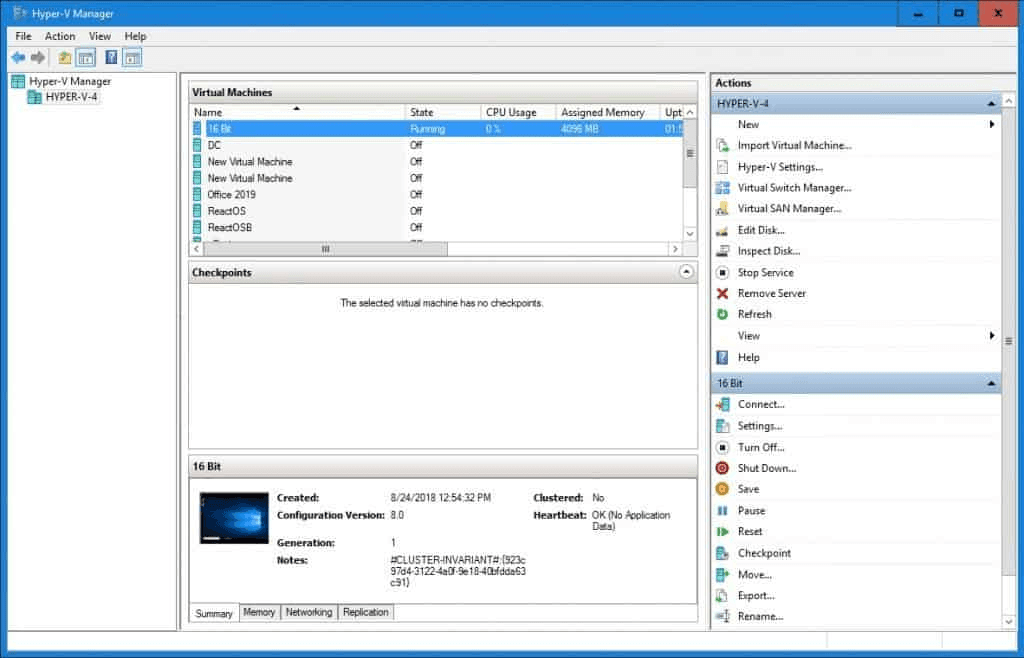
Virtual Machine Management: You can easily create and manage virtual machines, assigning resources such as CPU and memory to each guest operating system, to streamline your IT operations. The intuitive interface helps your team deploy and monitor virtual environments efficiently.
Live Migration: Move running virtual machines between physical hosts with no downtime. This keeps your systems operational during maintenance or hardware upgrades.
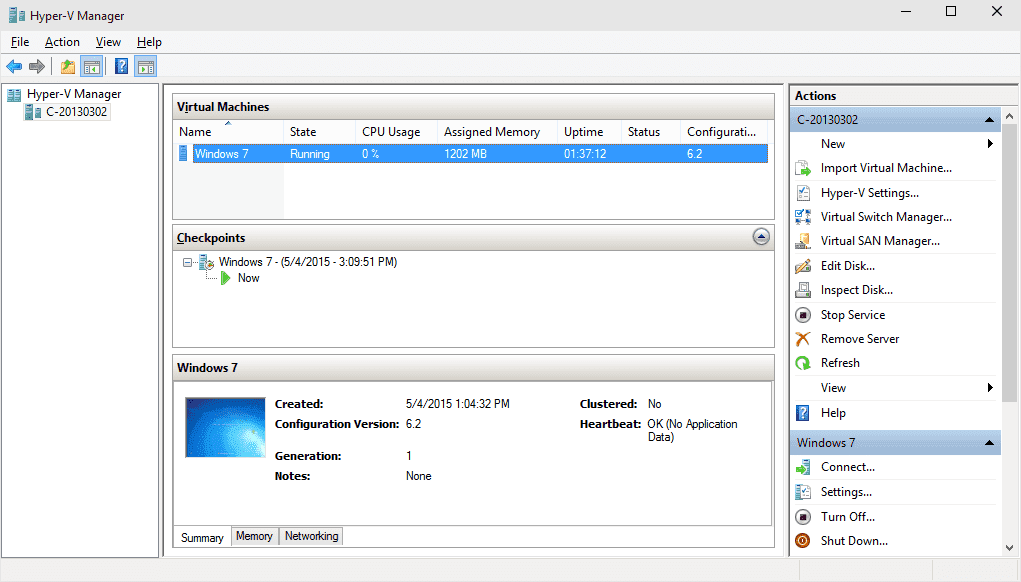
Checkpoint Support: Capture the state of a virtual machine at a specific point in time. This is invaluable for your team when testing changes or updates without risking data.
Dynamic Memory: Allocate memory resources dynamically based on demand. This feature optimizes your server utilization, ensuring your virtual machines run smoothly.
Virtual Networking: Set up isolated networks and manage traffic flows between virtual machines. It gives your IT team control over network configurations and enhances security.
Failover Clustering: Ensure high availability by clustering virtual machines across multiple hosts. This keeps your critical applications running even if a server fails.
Ease of Use
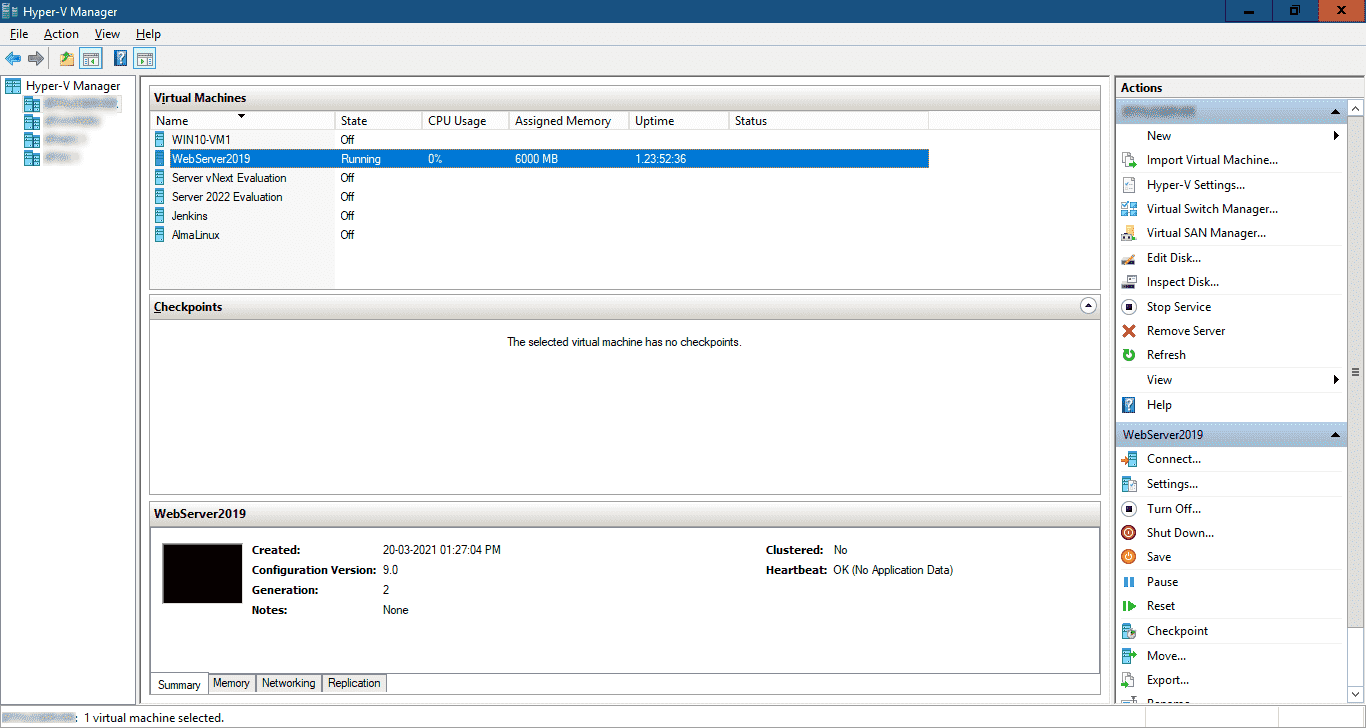
Microsoft Hyper-V's user interface can be clunky, making it less intuitive for your team compared to some other options with more modern GUI designs. The learning curve is steeper, especially if your team lacks IT expertise. However, once mastered, its powerful management tools and Windows integration offer you efficient control over virtual environments. The features are robust, but expect to invest time in training to fully leverage its capabilities for your IT needs.
Integrations
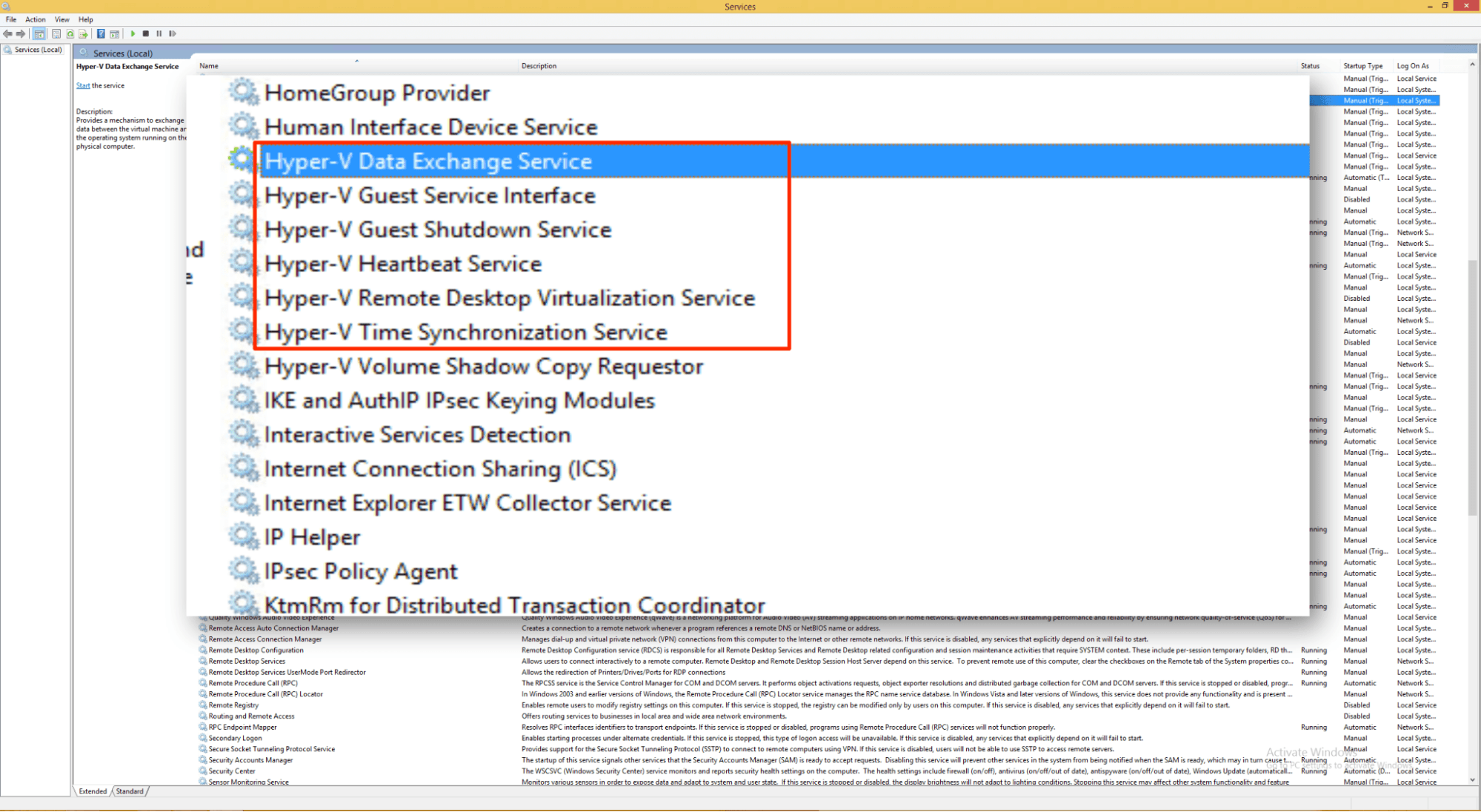
Microsoft Hyper-V integrates with Windows Server, System Center Virtual Machine Manager, Microsoft Azure, Windows Admin Center, Microsoft Endpoint Configuration Manager, PowerShell, Active Directory, Windows Failover Clustering, Microsoft Operations Management Suite, and Microsoft Defender for Cloud as part of the broader Microsoft ecosystem.
Microsoft Hyper-V also offers an API for developers and can connect with third-party integration tools.
Microsoft Hyper-V Specs
- API: Yes
- Bug Tracking: No
- CI/CD Integration: No
- Cloud Deployment: No
- Code Review: No
- Code Transformation: No
- Collaboration Support: No
- Data Export: No
- Data Import: No
- Developer Tools: Yes
- External Integrations: Yes
- Git Integration: No
- History/Version Control: No
- IDE Plugins: No
- Local Deployment: Yes
- Multi-User: Yes
- Notifications: No
- Project Management: No
- Release Management: No
- Static Analysis: No
- Task Scheduling/Tracking: No
- Testing: No


